
Plants
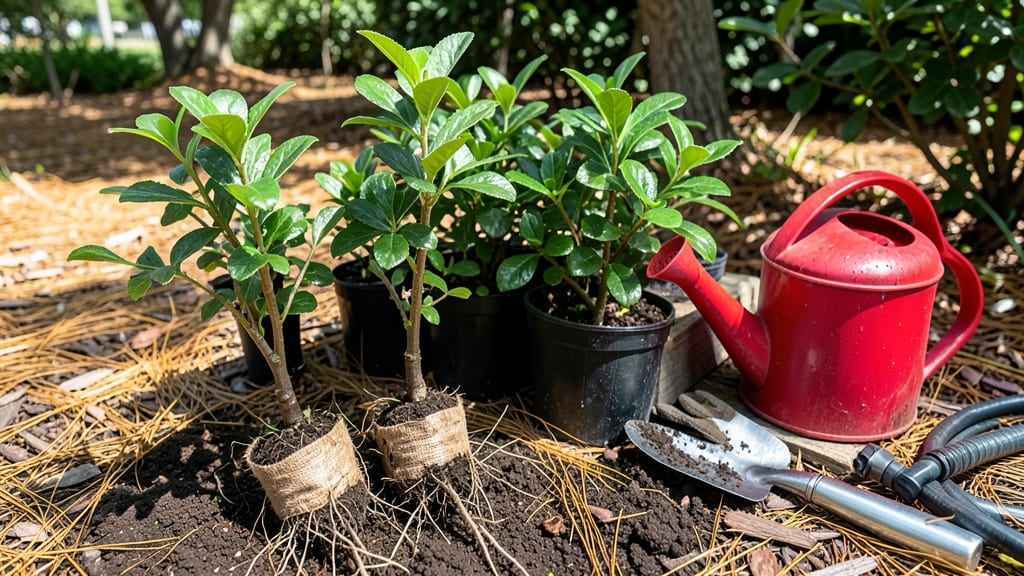
Timing your blueberry planting in Arkansas can mean the difference between a bountiful harvest and years of disappointment. The 7a-8a zones demand precision—plant too early, and frost will damage tender roots; too late, and your bushes won’t get enough chill hours to fruit.
Arkansas gardeners know the secret lies in two perfect windows: late winter or fall, when soil temperatures and daylight align just right.
If you’ve ever watched a 🫐 bush struggle in your yard, you’re not alone. Many gardeners miss the narrow window between October and March—the ideal time to get blueberries established before Arkansas’ unpredictable weather swings.
But here’s the good news: with the right variety and soil prep, you can adjust your schedule to fit your microclimate, whether you’re in the cooler north or warmer southern regions.
In this guide, I’ll break down the exact months to plant for maximum yield, how to choose between bare-root and container-grown bushes, and why Arkansas’ chill-hour zones matter more than you think.
You’ll learn how to time your planting for peak harvests—no guesswork, just proven techniques tailored to your backyard.
Ready to grow blueberries that thrive? Let’s dive into the step-by-step schedule that’ll have you picking sweet, juicy berries by next summer. The best time to start is now—before the next planting window slips away!
Arkansas blueberry planting months by chill-hour Zone (exact dates for success)
Arkansas spans USDA Zones 7a-8a, but chill hours (not just zones) dictate when to plant blueberries. Northern Arkansas (Zone 7a) needs 700+ chill hours, while southern areas (Zone 8a) thrive with 500-600 hours. These differences shift your planting window by 2-4 weeks—critical for fruit set.
For northern Arkansas, aim for late February to early March (after last frost risk passes). In southern Arkansas, extend your window to mid-March to early April. Fall planting (October-November) works too, but soil must be workable—Arkansas’ clay-heavy soils stay wet late, so test drainage first.
Mississippi County’s warmer microclimate (Zone 8a) may push planting to April 1-15, while Benton County (Zone 7a) gardeners should plant by March 15 to avoid spring heat stress. Always check your local frost dates—Arkansas’ average last frost is March 15, but microclimates vary.
| Zone/Region | Chill Hours | Ideal Planting Window | Key Consideration |
|---|---|---|---|
| Northern AR (7a) | 700+ hours | Late Feb - Early Mar | Soil warms slower; plant before buds swell. |
| Central AR (7b) | 600-700 hours | Mid-Feb - Mid-Mar | Balanced chill; avoid late frosts. |
| Southern AR (8a) | 500-600 hours | Mid-Mar - Early Apr | Warmer soils; extend window to April. |
| Fall Planting (All Zones) | N/A | Oct 15 - Nov 15 | Soil must be workable; avoid waterlogged clay. |
Spring planting gives blueberries 6-8 weeks to establish roots before summer heat arrives. Fall-planted bushes focus on root growth during winter, fruiting earlier the next season. For container-grown plants, adjust timing by 2 weeks later—containers warm faster and dry out quicker.
Use bare-root plants in spring (cheaper, easier to handle) or container-grown in fall (less transplant shock). Arkansas’ humid summers demand quick root establishment, so mulch heavily with pine straw or wood chips to retain moisture and acidity.
Pro tip: Plant 2-3 varieties for cross-pollination (e.g., ‘Premier’ + ‘Tifblue’). Arkansas’ long growing season lets you stagger planting—early bloomers like ‘Climax’ thrive in northern zones, while ‘Southern Highbush’ varieties suit southern Arkansas’ heat.
Monitor your local Arkansas Agricultural Extension Service updates for spotted wing drosophila (a pest that targets ripe berries). Planting at optimal times reduces stress, helping bushes resist pests naturally through robust growth.
Remember: Soil pH (4.5-5.5) matters more than planting date. Test your soil before planting—Arkansas’ native clay often needs sulfur amendments to acidify properly. Adjust your schedule if soil prep takes longer than expected.
🌱
5 Critical factors that determine your blueberry planting schedule in Arkansas
Arkansas’ chill-hour requirements (500–700 hours) aren’t the only factors dictating when to plant blueberries. Five key elements can shift your ideal window by weeks—sometimes even months. Ignoring these means risking poor root establishment, frost damage, or delayed fruiting. Let’s break down what truly matters for Arkansas gardeners.
First, soil pH is non-negotiable. Blueberries demand acidic soil (4.5–5.5 pH), and Arkansas’ native clay soils often need sulfur or peat moss amendments. Test your soil 6–8 weeks before planting—this gives you time to adjust pH if needed.
Without proper acidity, your plants will struggle to absorb nutrients, even if planted at the perfect time.
Next, frost dates vary wildly across Arkansas. Northern regions (like Bentonville or Fayetteville) face last frosts around March 15–April 1, while southern areas (e.g., Little Rock or Texarkana) may see frost as late as March 25–April 10.
Planting too early in colder zones risks frost damage to tender new shoots.
Third, spring temperature trends play a hidden role. Arkansas’ 2023–2024 data shows that March temperatures can swing from 40°F to 80°F in a week. Planting in late February or early March risks exposing roots to sudden freezes. Wait until soil temperatures stabilize above 50°F—use a soil thermometer to check.
Fourth, container vs. in-ground planting changes everything. Container-grown blueberries can be planted 2–4 weeks later than bare-root plants because their roots are less vulnerable to soil temperature fluctuations. If you’re using pots, aim for April 1–May 1 in northern Arkansas or April 15–May 15 in the south.
Finally, local microclimates like urban heat islands or sheltered valleys can shift your ideal window by 10–14 days. For example, Eureka Springs’ cooler elevations may align with northern Arkansas frost dates, while Hot Springs’ lower terrain behaves more like the southern zone.
Observe your yard’s frost patterns for 2–3 years to fine-tune timing.