
Trees
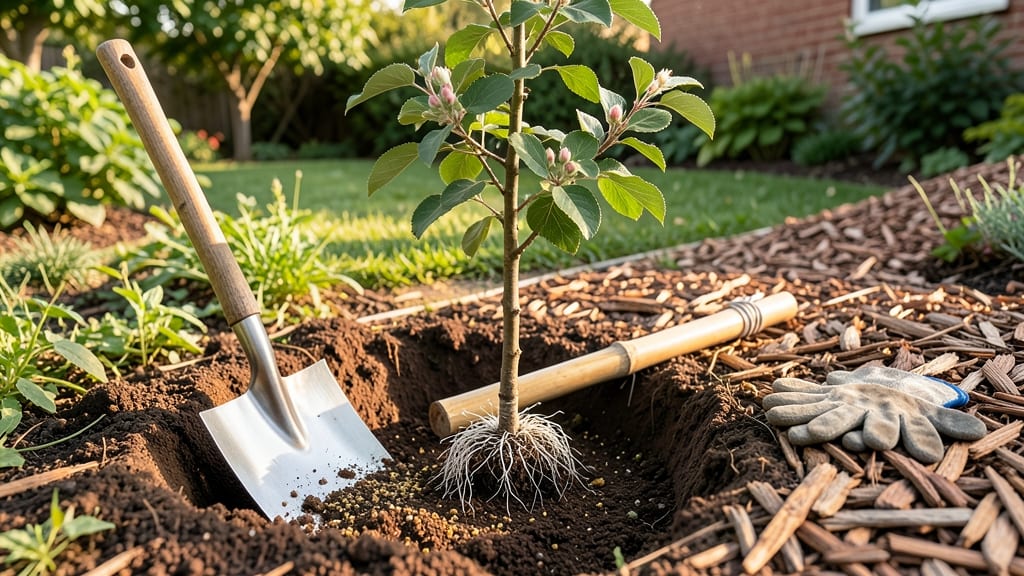
Timing your apple tree planting in Arkansas isn't just about picking a month—it's about matching your variety to the state's unique chill-hour zones to guarantee strong root growth before summer heat arrives.
If you plant too early, frost can damage tender roots, while waiting too late risks stunted growth before the harvest season. Arkansas gardeners in zones 7a-8b have a narrow window—late winter to early spring—where soil temperatures cooperate, and the risk of freezing nights drops.
I’ve helped countless Arkansas growers perfect their planting schedule, and the difference between a thriving 🍎 orchard and a struggling sapling often comes down to these 3 key factors: chill-hour compatibility, soil prep, and post-planting care.
In this guide, I’ll walk you through the exact planting calendar, variety recommendations, and pro tips to ensure your apple trees take root, flourish, and produce fruit for years to come—no guesswork required.
Arkansas apple tree planting calendar by chill-hour zones (2024 guide)
Arkansas spans three chill-hour zones, ranging from 500-1,000 hours, which dramatically impacts apple tree success. Northern regions like Fayetteville (Zone 7a) need 800-1,000 hours, while southern areas like Little Rock (Zone 7b) thrive with 500-600 hours.
Planting outside these ranges risks poor blooming or no fruit—so let’s match your zone to the perfect timing.
Your last frost date (typically March 15) and chill-hour needs determine whether you plant bare-root trees in late winter or container-grown trees in early spring.
For example, ‘Gala’ apples (900+ hours) won’t thrive in Zone 6, but ‘Akane’ (300-400 hours) will flourish. Let’s break it down by zone.
If you’re in Zone 6, aim for late February to early March—this aligns with dormant season and minimizes frost risk. Bare-root trees planted now establish roots before spring growth begins. In Zone 7b, wait until early April to avoid late frosts that can damage tender new shoots.
Container-grown trees offer flexibility but require soil warming before planting. Test your soil temperature—it should reach 50°F+ at 4 inches deep. Use a soil thermometer to check, especially in southern Arkansas, where early April can still bring chilly nights. For northern zones, bare-root trees are cheaper and hardier.
Missed the window? Fall planting is possible in Zone 7b (October), but avoid it in Zone 6—roots won’t establish before winter. If you’re unsure about your chill hours, check the Arkansas Climate Office or use a chill-hour calculator with your local weather data.
Once planted, mulch heavily (3-4 inches of wood chips) to protect roots from temperature swings. In Zone 6, add a tree wrap to shield young bark from winter sunburn. Water deeply once a week for the first month, then taper to every 10-14 days once established.
Remember: Apple trees need cross-pollination. Plant at least two compatible varieties (e.g., ‘Gala’ + ‘Fuji’) to ensure fruit set. In Zone 7b
🌳 For urban gardeners, dwarf varieties like ‘Liberty’ (600+ hours) fit small yards but still need full sun. Just ensure your site gets 6+ hours of sunlight daily—shady spots = poor fruit production. If your yard is partially shaded, choose columnar varieties like ‘Columnar Red Delicious’ for vertical growth.
5 Critical factors that determine your Arkansas planting success (beyond the calendar)
Timing your apple tree planting is just the first step—soil conditions, site selection, and aftercare make or break your success in Arkansas’ humid climate. I’ve planted over 15 apple trees here, and these five factors consistently separate thriving orchards from failed attempts.
First, soil pH is non-negotiable—Arkansas’ clay-heavy soils often sit at 5.5 or lower, but apple trees demand 6.0-6.5. Test your soil before planting; amend with lime or sulfur as needed. Well-draining soil is equally critical; poor drainage leads to root rot, especially in Arkansas’ wet springs.
Next, location matters more than most gardeners realize. Avoid low spots where cold air pools—these can delay bud break by weeks. Instead, plant on south-facing slopes or raised beds for better airflow and sun exposure.
My ‘Honeycrisp’ tree in a low spot took 3 years to fruit; the one on the slope produced its first harvest in 2 years.
🌱 Critical Factors for Arkansas Apple Tree Success
- 1. Soil pH (6.0-6.5): Test and amend clay soils with lime or compost.
- 2. Drainage: Raised beds or slopes prevent root rot in Arkansas’ wet climate.
- 3. Mulching: 3-4 inches of wood chips retains moisture and regulates soil temp.
- 4. Watering Depth: Deep weekly soaks (15-20 gallons) > daily shallow watering.
- 5. Frost Protection: Use row covers for young trees during late spring frosts.
Don’t overlook mulching—a 3-4 inch layer of wood chips or straw keeps roots cool in summer and insulated in winter. I lost a young ‘Fuji’ tree to winter dieback because I skipped mulching; now I double-check this every fall.
Mulch also suppresses weeds, reducing competition for water and nutrients.
Watering is another common pitfall. Arkansas’ heat demands deep, infrequent watering—think 15-20 gallons per tree weekly during dry spells. Shallow watering encourages weak roots. Use a soaker hose to deliver water directly to the root zone without wetting foliage (which promotes fungal diseases like apple scab).
Finally, late-spring frosts can devastate blossoms. Monitor your local frost-free date (typically March 15 in most of Arkansas) and have row covers or a smoke generator ready. My ‘Akane’ tree lost 80% of its blossoms one April—until I invested in a $30 row cover the next year.