
Plants
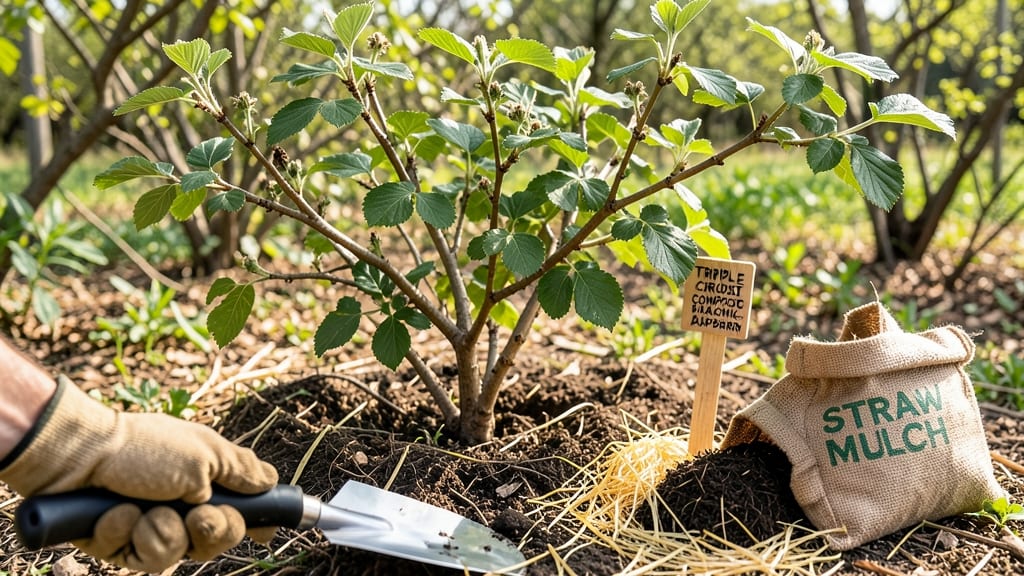
Timing your blackberry planting in Colorado isn't just about following a calendar—it's about matching your variety to the state's chill hours and avoiding the dreaded late spring frost that can wipe out tender new growth.
With USDA zones 5-7 and elevations ranging from plains to mountains, knowing when to plant makes all the difference between a thriving 🫐 bush and a failed experiment.
Most gardeners in Colorado swear by two planting windows: late spring (after the last frost, typically April 15 or later) or early fall (August through early September). But here's the catch—your choice depends on your specific elevation, microclimate, and whether you're planting dormant canes or potted plants.
In this guide, I'll break down the best planting months for your region, highlight the top varieties that thrive in Colorado's climate, and share pro tips to ensure your blackberries get off to a strong start.
Whether you're a first-time grower or a seasoned gardener, getting this right means juicier berries and fewer headaches.
Ready to turn your backyard into a blackberry patch? Let's dive into the specifics so you can plant with confidence—and enjoy that first harvest come July or August.
Best planting months for blackberries in Colorado by elevation Zone
Colorado’s diverse elevations—from the Front Range’s 5,000–7,000 feet to the Western Slope’s 4,000–6,000 feet and mountain regions above 8,000 feet—create wildly different planting windows for blackberries. Unlike one-size-fits-all advice, timing here depends on microclimates, last frost dates, and your chosen variety’s chill-hour needs.
For most of Colorado, the ideal planting window spans from late March to early May (spring) or August to early September (fall). However, high-altitude gardeners in places like Steamboat Springs or Telluride should delay until mid-May or late August to avoid late spring frosts that can kill tender new growth.
Spring planting gives blackberries 6–8 weeks to establish roots before summer heat arrives, while fall planting allows canes to root before winter dormancy. Both methods work, but fall planting is riskier in Colorado’s unpredictable early frosts, especially above 7,000 feet.
Here’s how to match your region to the perfect planting month:
| Region | Elevation | Spring Planting Window | Fall Planting Window | Soil Prep Tip |
|---|---|---|---|---|
| Front Range (Denver, Boulder) | 5,000–7,000 ft | Late March–April 15 | August 15–September 1 | Amend clay soil with compost |
| Western Slope (Grand Junction, Durango) | 4,000–6,000 ft | Early March–April 30 | August 1–September 10 | Add sand for drainage |
| High Mountains (Steamboat, Aspen) | 8,000+ ft | Mid-May–June 1 | Late August–September 15 | Use raised beds for warmth |
Before planting, test your soil’s pH—blackberries thrive in acidic soil (5.5–6.5). Colorado’s alkaline soils often need sulfur or peat moss to adjust pH. Mix in 3–4 inches of compost and a balanced fertilizer (10-10-10) to kickstart growth.
For container gardening in colder microclimates, use 5-gallon pots with well-draining mix and plant in full sun. Move containers to a protected spot if frost threatens after planting.
Pro tip: Mulch heavily with straw or wood chips to retain moisture and insulate roots during Colorado’s temperature swings. This is especially critical in high-desert areas where soil heats and cools rapidly.
Timing your blackberry planting to your local frost dates and elevation ensures your canes establish roots before summer’s 100°F+ heat or winter’s sub-zero temps. Skip the guesswork—check your USDA Zone and chill-hour needs for your chosen variety.
Now that you’ve got the perfect window, your next move is selecting the right Colorado-friendly blackberry varieties—we’ll cover that in the next section, including how to match chill hours to your region for sweet, productive berries.
Best planting months for blackberries in Colorado by elevation Zone
Colorado’s diverse elevations—from the Front Range’s 5,000–7,000 feet to the Western Slope’s 4,000–6,000 feet—create wildly different planting windows for blackberries.
In lowland areas (USDA Zones 6-7), like Denver or Colorado Springs, you’ll want to plant late March to early May, after the last frost (usually around April 15).
For high-altitude gardens (Zones 5-6), such as Boulder or Fort Collins, aim for mid-April to early June to avoid late spring frosts.
Fall planting is also viable in Colorado, but timing is critical. Plant dormant canes in August or early September to give roots time to establish before winter. This works best in warmer microclimates (Zones 6-7), where soil stays workable longer.
In cooler mountain regions (Zones 5-6), fall planting risks frost damage, so spring is safer.
Soil preparation is non-negotiable. Colorado’s alkaline soils (pH 7.5–8.5) need amendment with sulfur or peat moss to reach the ideal pH 5.5–6.5. Mix in 3–4 inches of compost and install a trellis system before planting—blackberries are vigorous climbers and need support to thrive.
In high-elevation areas, add a windbreak to protect young canes from harsh winds.
| Elevation Zone | USDA Zone | Best Planting Window | Soil Prep Tips |
|---|---|---|---|
| Front Range (Denver, Colorado Springs) | 6-7 | Late March–Early May (spring) or August–Early Sept (fall) | Amend with sulfur to lower pH; add compost |
| Western Slope (Grand Junction, Durango) | 6-7 | Late March–Early April (spring) or Sept (fall) | Well-draining soil; mulch heavily in winter |
| High Altitude (Boulder, Fort Collins) | 5-6 | Mid-April–Early June (spring only) | Windbreaks essential; use cold-hardy varieties |
Microclimates play a huge role in Colorado. A south-facing slope in the mountains can be 5–10°F warmer than a north-facing yard, extending your planting window. Use this to your advantage by planting early in sheltered spots.
Conversely, valley bottoms often experience later frosts, so wait until mid-May in these areas. Always check your local CoCoRaHS frost date maps for precise timing.
Container growing is a smart option for urban gardeners or those with limited space. Plant in 5-gallon pots filled with a mix of peat moss, perlite, and compost in late April or early May.
Containers warm up faster than ground soil, giving you a 2–3 week head start. Just ensure pots have drainage holes and move them to a protected location if frost threatens.
Finally, don’t overlook thornless varieties like ‘Natchez’ or ‘Cheyenne’ for Colorado gardens. They’re easier to maintain and produce sweeter berries with fewer chill hours (300–500 hours), making them ideal for Zone 6 gardens.
Pair them with a strong trellis and you’ll enjoy juicy blackberries by mid-July, regardless of elevation.