
Plants
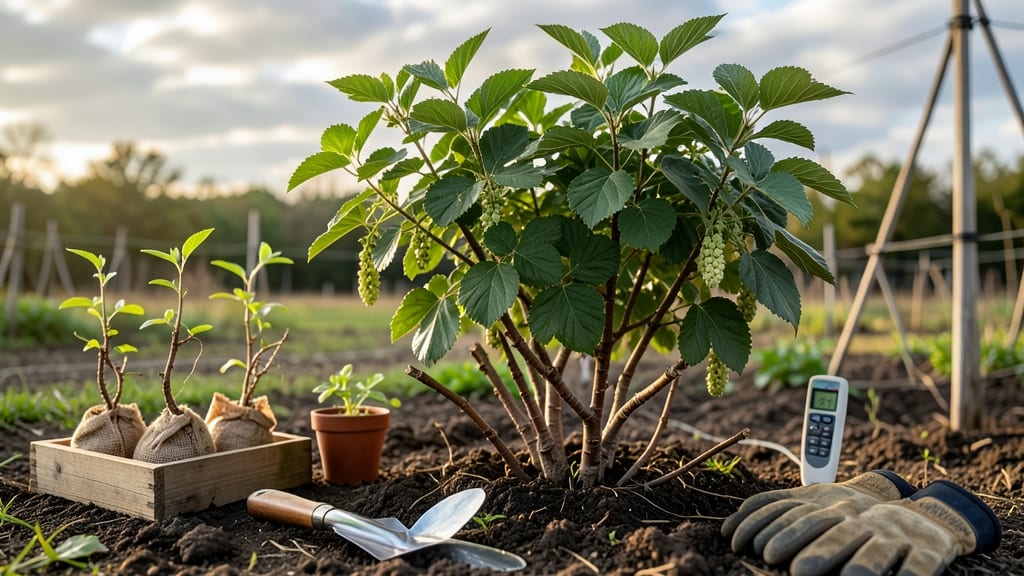
Planting blackberries in Georgia at the wrong time can mean the difference between a bountiful harvest and struggling vines—especially in zones 7b-8b where chill hours matter. The key isn’t just picking a month; it’s syncing your variety with your region’s frost dates and heat spikes to ensure those sweet, juicy 🫐 berries thrive.
If you’ve ever watched your blackberries struggle—wilting in summer heat or failing to fruit—you’re not alone. Georgia’s climate demands precision, and the ideal window shifts between North Georgia’s cooler hills and South Georgia’s warmer lowlands.
Let’s break down the exact timing, soil prep, and variety matches that’ll set you up for a harvest from May to August.
You’ll discover why fall planting (September-October) often outperforms spring, how to prep soil for Georgia’s heavy clay, and which varieties handle Piedmont’s chill hours best. No more guesswork—just a clear, step-by-step plan tailored to your microclimate.
Ready to turn your backyard into a blackberry goldmine? Stick around for the chill-hour calculator, regional planting charts, and pro tips to keep your 🫐 bushes productive for years.
Georgia’s chill-hour zones: how to match blackberry varieties for best harvests
Georgia’s climate spans USDA Zones 7a-8b, creating distinct chill-hour requirements that directly impact blackberry success. Chill hours—accumulated temps between 32°F and 45°F—determine whether your blackberries will thrive or struggle. For example, 'Natchez' needs 300-500 chill hours, while 'Arapaho' thrives with 500-800 chill hours.
Choosing the wrong variety for your zone can mean poor fruit set or even no harvest at all.
North Georgia (e.g., Blue Ridge Mountains) typically hits 800+ chill hours, perfect for cold-hardy varieties like 'Ouachita'. Meanwhile, South Georgia’s 300-500 chill hours favor everbearing types such as 'Chester' or 'Apache'.
To find your exact chill hours, check NOAA’s climate data or use a minimum-maximum thermometer over winter.
Here’s how to decode Georgia’s chill-hour zones and pick the right blackberries for your yard:
| Zone | Chill Hours | Best Varieties | Notes |
|---|---|---|---|
| North Georgia (7a-7b) | 800-1,000+ | Ouachita, Arapaho, Chester | Cold-hardy; needs winter protection |
| Central Georgia (7b-8a) | 500-800 | Natchez, Apache, Prime-Ark Freedom | Moderate chill; everbearing options |
| South Georgia (8a-8b) | 300-500 | Chester, Florida 47, Prime-Ark Freedom | Low-chill; heat-tolerant |
If you’re unsure about your chill hours, observe your local climate. For instance, Athens (Zone 8a) averages 450 chill hours, while Dahlonega (Zone 7a) sees 900+ hours. Plant nurseries in your area can also provide localized recommendations based on past customer success.
Pro tip: Everbearing varieties like 'Chester' produce fruit on both old and new wood, making them ideal for Georgia’s variable chill years. In contrast, floricanes (like 'Natchez') need full winter dormancy for best results. Always read variety tags for chill-hour specifics before buying.
Mismatched varieties can lead to poor pollination or stunted growth. For example, planting 'Arapaho' in Zone 8b may result in fewer berries because it needs more chill hours than the region provides. Test your soil’s chill potential by tracking temps with a digital thermometer for a full winter season.
Once you’ve matched your variety to your zone, plant in the optimal window—typically late winter to early spring (February-March) or fall (September-October).
Fall planting gives roots time to establish before winter, while spring planting avoids late-season frost damage to new growth. Next, we’ll dive into the best planting timelines for each Georgia region to ensure your blackberries get off to the right start.
🌱
Optimal planting windows by Georgia region: southern vs. northern timelines
Georgia’s diverse climate means your blackberry planting timeline should align with your specific region—whether you’re in the cool mountain air of North Georgia or the warmer coastal plains of the South.
For most gardeners, early fall (September-October) is the gold standard, but late winter (February-March) works too, with key adjustments based on frost risks.
In North Georgia (Zone 7a-7b), cooler winters demand earlier planting to avoid late frosts. Aim for September 15-October 15 to let roots establish before dormancy. If planting in late winter, wait until after March 1—before the last frost—when soil temps hit 50°F+.
In Central/South Georgia (Zone 8a-8b), you’ve got more flexibility: October 1-November 1 works well, with late winter planting possible by February 15.
⚠️ CRITICAL TIMELINE WARNING ⚠️
For bare-root plants, soak roots for 2-4 hours before planting—critical in Georgia’s dry spells. In containers, transplant when roots fill the pot, but avoid spring planting; summer heat stresses young roots. Potted blackberries need consistent moisture during establishment, unlike in-ground plants that benefit from winter rain.
Here’s the region-specific breakdown for your planting schedule, including frost-sensitive windows:
| Region | Best Planting Window | Alternative Window | Frost Risk | Soil Temp Goal |
|---|---|---|---|---|
| North Georgia (Zone 7a-7b) | September 15–October 15 | February 15–March 1 (after last frost) | High (late frosts common) | 50°F+ |
| Central Georgia (Zone 7b-8a) | October 1–November 1 | February 1–March 10 | Moderate (occasional late frosts) | 55°F+ |
| South Georgia (Zone 8a-8b) | October 15–November 15 | February 15–March 15 | Low (rare frosts) | 60°F+ |
Pro tip: Use a soil thermometer to confirm temps before planting—50°F+ is ideal for root growth. In North Georgia’s cooler microclimates, opt for thornless varieties like ‘Arapaho’, which handle frost better than traditional types.
For South Georgia’s heat, ‘Natchez’ thrives with its high heat tolerance and disease resistance.
Timing your blackberry planting to Georgia’s chill-hour needs and frost patterns ensures your canes establish strong roots before summer’s heat peaks. Miss the window, and you’ll face stunted growth or poor fruiting—so mark those calendars! 🌱