
Plants
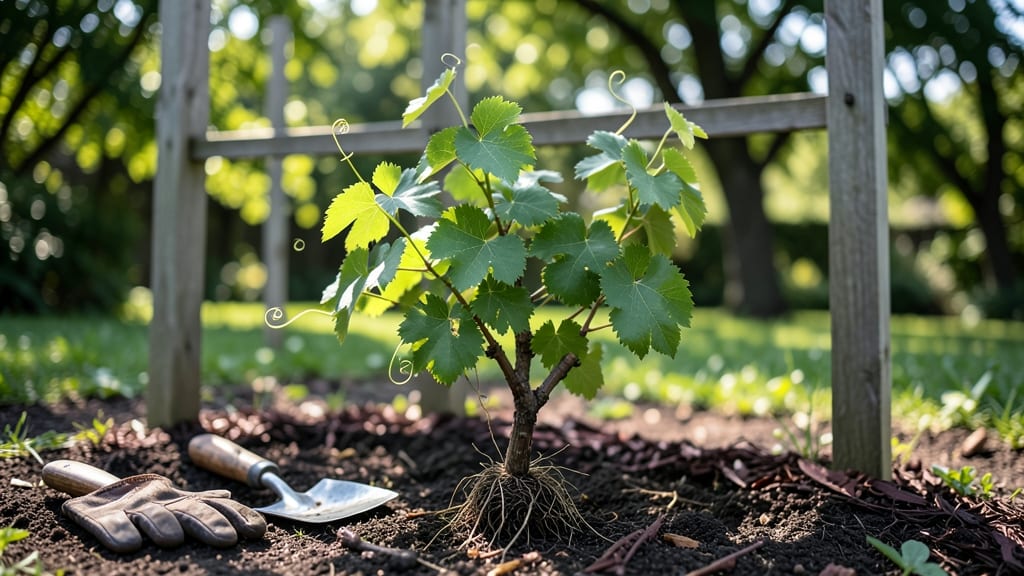
Timing your grapes 🍇 planting in North Carolina isn’t just about the calendar—it’s about matching your vine’s chill-hour needs to your local microclimate. Plant too early, and your buds might burst in a late frost; too late, and your vines won’t establish roots before summer’s brutal heat.
The key? Understanding your USDA zone (6a–8b) and when to plant for maximum success in NC’s unpredictable growing seasons.
Most gardeners in North Carolina aim for late winter to early spring (February–April), but the best window depends on your grape variety. Muscadines, for example, thrive when planted in spring, while cold-hardy hybrids can handle early February starts.
Meanwhile, heat-sensitive Vinifera grapes need cooler soil temps—so timing matters more than you’d think.
Here’s the game-changer: chill-hour matching. If you’re in the Piedmont (Zone 7a), you’ll need varieties that require 500–800 chill hours, while coastal areas (Zone 8b) can handle lower-chill types.
I’ll walk you through how to pick the right variety for your region, prep your soil, and avoid common pitfalls that turn promising vines into sad, wilted plants.
Ready to skip the guesswork? Let’s dive into the exact steps—from soil testing to frost protection—that’ll set your grapes up for a harvest-worthy future. Your vineyard dreams start with the right timing!
North Carolina chill-hour zones: matching grapes to your region
North Carolina’s diverse climate zones—ranging from USDA Zone 6a in the mountains to Zone 8b along the coast—create unique challenges for grape growers. The key to success lies in chill-hour requirements, which determine whether your grape variety will thrive or struggle.
Most NC grapes need 300–1,000 chill hours to produce fruit reliably, but regional differences mean Muscadines in the Piedmont may do well where Vinifera grapes fail in the mountains.
Chill hours are calculated by tracking temperatures between 32°F and 45°F during dormancy. For example, Zone 7a (western NC) typically accumulates 600–800 chill hours, while Zone 8a (coastal areas) may see only 300–500 hours.
Choosing the wrong variety can lead to poor bud break, sparse fruiting, or even vine death during winter.
To find your local chill-hour count, check resources like the NC State Extension Service or use a chill-hour calculator with your ZIP code.
This step is critical—Muscadines, native to NC, often thrive in 300–600 chill hours, while Vinifera grapes (like Cabernet Sauvignon) need 800–1,000+ hours and are best suited for Zone 7a and cooler.
Here’s how to match your grape variety to NC’s chill-hour zones for optimal growth and harvest:
| Chill-Hour Zone | Recommended Grape Varieties | Best NC Regions | Key Considerations |
|---|---|---|---|
| 300–500 hours | Scuppernong, Carlos, Magnolia, Catawba (Muscadines) | Coastal NC (Zone 8a–8b) | Heat-tolerant; avoid Vinifera |
| 500–700 hours | Noble, Black Spanish, Cynthiana, Norton (hybrids) | Piedmont (Zone 7b–8a) | Moderate chill; watch for spring frosts |
| 700–900 hours | Chambourcin, Cabernet Franc, Merlot, Riesling (hybrids/Vinifera) | Western NC (Zone 6b–7a) | Cold-hardy; needs winter protection |
| 900+ hours | Cabernet Sauvignon, Pinot Noir, Chardonnay (Vinifera) | Mountains (Zone 6a–6b) | Risk of winter dieback; use cold-hardy rootstock |
If you’re in Zone 8a or warmer, focus on heat-tolerant Muscadines or hybrid varieties like Black Spanish. These grapes handle NC’s humid summers and mild winters without stress. In contrast, Zone 6a growers should prioritize cold-hardy hybrids or Vinifera on resistant rootstock to survive freezing temperatures.
Avoid planting Vinifera grapes in Zone 8a or warmer unless you’re willing to risk poor fruiting or heat damage. Instead, opt for Norton or Chambourcin, which balance chill-hour needs with NC’s climate.
For coastal areas, Scuppernong grapes are a classic choice—they thrive in low-chill environments and produce sweet, juicy fruit.
One common mistake is assuming all Muscadines are low-maintenance. While they’re drought-tolerant, they still need well-draining soil and full sun.
Test your soil’s pH (aim for 5.5–6.5) and amend with compost or sand if needed. Vinifera grapes, on the other hand, require richer soil and consistent moisture to prevent leaf drop.
Pro tip: If you’re unsure about your chill-hour zone, start with hybrid varieties like Norton or Chambourcin. They’re adaptable, disease-resistant, and produce reliable harvests across most of NC. For experimental growers, keep a garden journal to track bud break and fruiting success by variety.
Best planting months for NC grapes by variety type
North Carolina’s diverse climate means grapes thrive year-round, but the best planting window depends on your variety and microclimate. For Muscadines, the native powerhouses, aim for late winter to early spring (February–March) when soil temps hit 55–60°F.
This timing lets roots establish before summer heat arrives. Coastal areas can plant slightly later, while mountain regions should push earlier to avoid spring frosts.
If you’re growing Vinifera grapes (like Cabernet Sauvignon), late winter (January–February) is critical. These heat-loving varieties need 600+ chill hours and struggle with NC’s humid summers.
Planting early ensures they’re dormant during our hot, muggy peak (June–August). For cold-hardy hybrids (e.g., Concord), fall planting (September–October) works too—just water deeply before winter sets in.
Soil temperature is your secret weapon. Use a soil thermometer to confirm 50°F+ before planting. In Zone 7a (e.g., Raleigh), this usually means March 1–15. In Zone 8a (e.g., Wilmington), you can stretch to April 1–15. High-altitude areas (e.g., Asheville) may need to plant by February 28 to avoid late frosts.
🍇 Muscadines
🍷 Vinifera
🍇 Cold-Hardy Hybrids
Frost risk is your biggest enemy. Check your last frost date (e.g., March 15 in Zone 7a) and plant 4–6 weeks before to give roots time to anchor.
For coastal NC, where winters are milder, you can plant container grapes year-round—but still aim for spring or fall to avoid summer heat stress.
Adjust for high-altitude zones (e.g., Western NC) by planting earlier (January–February) to escape late frosts. In these areas, 300–500 chill hours are typical, so cold-hardy hybrids like Niagara or Catawba are your best bet. Always mulch heavily (4–6 inches) to protect roots from winter temperature swings.
Timing isn’t just about months—it’s about microclimates. A south-facing slope warms faster than a north-facing valley, so plant 1–2 weeks earlier in sunny spots. Use a weather station app to track local frost alerts and adjust your schedule.
With the right timing, your NC grapevines will reward you with juicy clusters by late summer!