
Plants
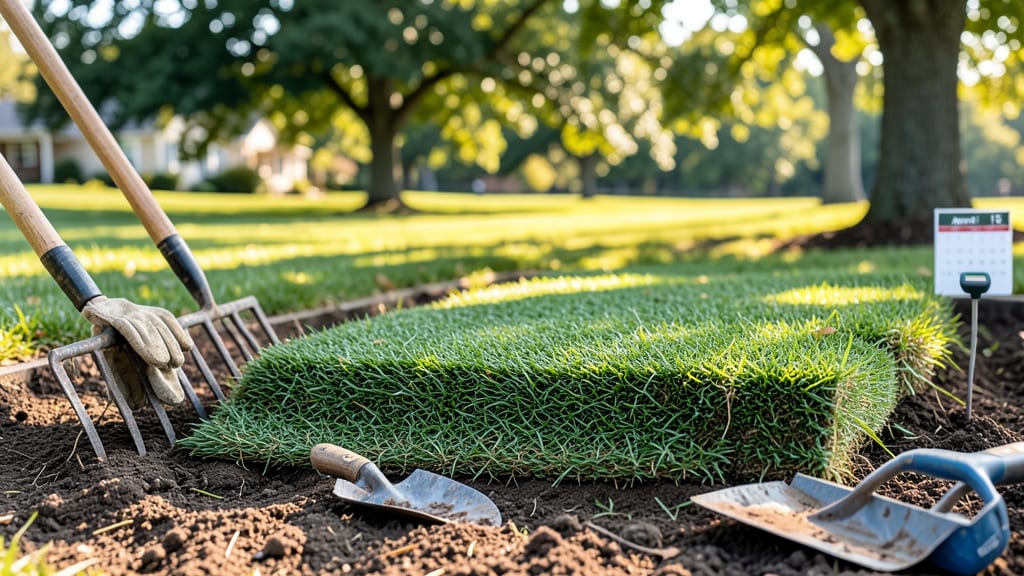
Planting Bermuda grass 🌱 at the wrong time in North Georgia can mean struggling with frost damage or failed establishment—so timing is everything for a lush, year-round lawn.
If you're dreaming of a vibrant green lawn that thrives through Georgia's heat, you'll want to plant during the optimal 2-week window when soil temperatures consistently hit 65°F or warmer.
This typically lands in late spring, just after your last frost date around March 15, or in late summer when temperatures cool slightly.
For North Georgia's 7a-8a climate zones, I'll show you exactly when to plant—whether you're using seed, sod, or plugs—to ensure your Bermuda grass takes root strong and stays resilient through summer's intense heat. Let's get your lawn off to the perfect start.
You'll also discover how to prepare your soil and choose the best varieties for your specific microclimate, whether you're in the Atlanta metro area or the cooler Appalachian foothills. Ready to transform your yard?
North Georgia’s Bermuda grass planting timeline: exact weeks by climate zone
Bermuda grass thrives in North Georgia’s USDA zones 7a-8a, but planting it at the wrong time can lead to frost damage or slow growth. The key is planting when soil temperatures hit 65°F (18°C)—this ensures roots establish before summer heat sets in.
For most of North Georgia, that window opens around mid-April and closes by mid-May, with a second chance in late August for overseeding.
North Georgia’s climate varies between the Appalachian foothills (cooler, shorter growing season) and the Atlanta metro area (hotter, longer summers). The foothills may need to wait until late April due to lingering frost, while Atlanta can start as early as early April.
Always check your local last frost date—most areas see it around March 15, but microclimates can shift this by weeks.
Here’s the exact planting timeline for North Georgia’s two main climate zones, including soil temperature thresholds and ideal calendar weeks for seed or sod installation.
| Climate Zone | Last Frost Date | Soil Temp Threshold | Ideal Planting Window | Best Method |
|---|---|---|---|---|
| Appalachian Foothills (7a) | March 22 - April 5 | 65°F (18°C) | April 15 - May 15 | Sod (faster establishment) |
| Atlanta Metro (8a) | March 1 - March 15 | 65°F (18°C) | April 1 - May 10 | Seed or sod |
| Both Zones (Late Summer) | N/A | 70°F (21°C) | August 20 - September 10 | Seed (overseeding) |
Note: Soil temperature is more critical than air temperature—use a soil thermometer for accuracy.
If you’re planting Bermuda grass seed, aim for the earlier window (April)—seeds need 8-12 weeks to establish before summer heat arrives. For sod installation, you have a slightly wider margin, but still avoid planting after mid-May to prevent heat stress.
Late summer planting (August-September) is ideal for overseeding to thicken your lawn before winter.
Pro tip: Use a soil thermometer to confirm readiness—Bermuda grass roots won’t activate until soil hits 65°F (18°C). In North Georgia, this usually aligns with mid-April, but cooler years (like 2022) may push it to late April.
Always monitor local weather patterns, especially in the Appalachian foothills, where frost can linger longer.
For sod installation, roll out your Bermuda grass within 24 hours of delivery to avoid drying out. Water immediately after laying, then maintain 1 inch of water weekly until roots establish (about 2-3 weeks).
If planting seed, lightly rake the soil to ensure good seed-to-soil contact and cover seeds with ¼ inch of topsoil to protect them from birds and drying winds.
One common mistake in North Georgia is planting too early. If you install Bermuda grass before the last frost, new growth can be killed by freezing temperatures.
Always wait until frost risk has passed—most areas see their last frost by March 15, but mountain regions may need to wait until April 1. Check the National Weather Service or local gardening extensions for updates.
Bermuda grass is a warm-season grass, meaning it goes dormant in winter. Planting in late summer (August-September) gives it time to establish roots before winter dormancy.
This is especially useful for overseeding to fill in thin spots. Just ensure soil temperatures stay above 70°F (21°C)—any cooler, and germination slows dramatically.
For best results, pair your planting with a pre-emergent herbicide to prevent weeds from competing with young Bermuda grass. Apply the herbicide 2-3 weeks before planting to give it time to activate. Avoid post-emergent herbicides until your grass is fully established (3-4 weeks after planting) to prevent damage.
North Georgia’s humid subtropical climate means Bermuda grass will grow aggressively once established. To keep it lush, mow regularly (set your mower to 1-1.5 inches) and fertilize every 4-6 weeks during the growing season. Start with a high-nitrogen fertilizer (16-4-8) to encourage root and shoot growth.
North Georgia’s Bermuda grass planting timeline: exact weeks by climate zone
North Georgia’s USDA zones 7a-8a create a tricky balance for Bermuda grass—too early and frost zaps seedlings, too late and summer heat stresses new roots. The perfect window depends on whether you’re planting seed, sod, or plugs, with soil temperature being your best guide.
For seed, aim for late April to early May when soil hits 65°F (18°C)—this ensures germination before summer’s peak heat. Sod or plugs can go in slightly earlier (mid-April) since they establish faster, but never before March 15’s average last frost date in most of North Georgia.
🌱
| Planting Method | Ideal Planting Window | Soil Temp Threshold | North Georgia Calendar Weeks |
|---|---|---|---|
| Seed | Late April–Early May | 65°F (18°C) | Weeks 17–20 |
| Sod/Plugs | Mid-April–Early June | 60°F (15°C) | Weeks 15–24 |
| Fall Overseeding | Late August–Early September | 70°F (21°C) | Weeks 33–36 |
Microclimates matter in North Georgia—Atlanta’s metro heat (zone 8a) lets you plant 1–2 weeks earlier than the Appalachian foothills (zone 7a). Check your local CoCoRaHS station for precise last-frost data, as elevations above 2,000 feet can delay planting by 3+ weeks.
If you miss spring, late summer (August) is your second chance—ideal for overseeding or repairing thin patches. Just avoid planting after September 15, or new growth won’t root before first frost in November.
Pro tip: Use a soil thermometer ($10 at garden centers) to confirm readiness. 65°F+ soil for seeds and 60°F+ for sod are non-negotiable for zero-frost risk in North Georgia’s unpredictable spring.
☀️
For sod installation, prioritize cool mornings and cloudy afternoons in April to reduce heat stress on newly laid grass. Water immediately after laying to activate roots!