
Plants
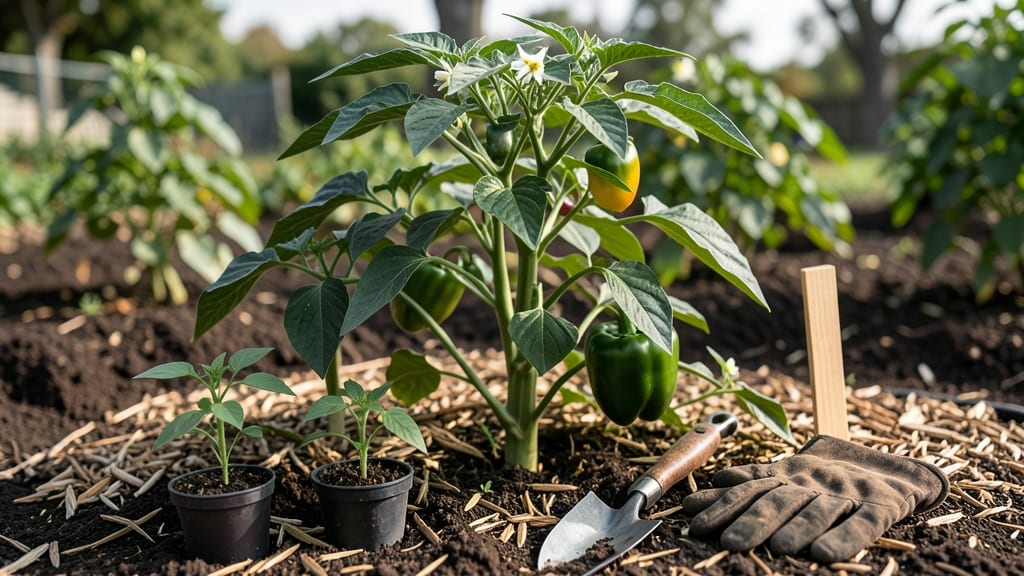
Timing your 🌶️ bell pepper planting in Tennessee can make or break your harvest—get it wrong, and you’ll end up with sad, stunted plants or no peppers at all.
The key isn’t just waiting until spring; it’s understanding your zone’s frost-free window and soil warmth, which can shift dramatically between East and West Tennessee.
Most gardeners in USDA zones 6a-7b swear by planting after April 15, once soil hits 60°F, but here’s the catch: if you’re in the cooler Appalachian regions, you might need to push back to May 15 to avoid late frosts.
Meanwhile, those in West Tennessee’s hotter valleys can start as early as April 1—but only if you’re using row covers or black plastic mulch.
Don’t stop there—successful Tennessee growers also plant a second crop in July for a fall harvest. This two-pronged approach ensures peppers when they’re most flavorful, from July through October. The trick? Choosing heat-tolerant varieties like ‘Carolina Wonder’ and giving them plenty of space to thrive in the humidity.
Ready to master your bell pepper schedule? I’ll walk you through exact dates, soil prep secrets, and how to stretch your growing season—so you’re picking peppers when they’re at their peak, not scrambling to salvage a failed crop.
Tennessee bell pepper planting calendar: exact start dates by region
Tennessee’s three USDA hardiness zones (6b, 7a, 7b) create subtle but important differences in bell pepper planting windows. In Zone 6b (East TN), where frosts linger until mid-April, aim for late April to early May transplants.
Meanwhile, Zone 7a (Middle TN) gardeners can start mid-April, and Zone 7b (West TN) can begin as early as late March—but only with protection!
Direct-sowing seeds is risky unless you’re in Zone 7b, where soil warms faster. For most Tennessee gardeners, transplanting seedlings after April 15 is the safest bet. Always wait until soil temperatures hit 60°F+—cold soil delays growth and invites disease. Use a soil thermometer to confirm readiness!
For a fall harvest, Tennessee gardeners can plant July 1–August 1 for peppers to mature before first frosts (late October–November). This second planting extends your season and ensures fresh peppers when summer varieties fade.
Just remember: fall-planted peppers need 75–90 days to fruit, so choose fast-maturing varieties like 'Early California Wonder'.
🌶️ Pro Tip: In Zone 6b, use black plastic mulch to warm soil by 10–15°F, letting you plant 2–3 weeks earlier without frost risk.
| Zone | Last Frost Date | Transplant Window | Direct Sow Window | Fall Planting Window |
|---|---|---|---|---|
| 6b (East TN) | Mid-April | Late April–May 1 | May 15–June 1 | July 15–Aug 1 |
| 7a (Middle TN) | Early April | Mid-April–April 30 | April 20–May 10 | July 1–July 15 |
| 7b (West TN) | Late March | Late March–April 15 | April 1–April 20 | June 15–July 1 |
Missed the spring window? Don’t panic! Tennessee’s long growing season (180–220 frost-free days) allows for succession planting. Stagger transplants every 2–3 weeks through June 1 to ensure a continuous pepper supply. Just space them 18–24 inches apart—crowding stresses plants and reduces yields.
🌱 Warning: Avoid planting before April 1 unless you’re using a greenhouse or cold frame. Young pepper plants wilt at 50°F and die at 32°F. Even a light frost can ruin your crop.
For container gardening, start seeds indoors 8–10 weeks before your last frost date. Move pots outside only after nighttime temps stay above 55°F. Containers dry out faster, so water daily and use self-watering pots if possible.
💧 Harvest Tip: In Zone 6b, cover peppers with frost cloth in October to extend the season by 2–3 weeks. This simple trick can add hundreds of peppers to your fall harvest!
Need a quick reference? Bookmark this: April 15–May 15 for spring, July 1–August 1 for fall. Adjust by 1–2 weeks based on your microclimate—valleys stay cooler, south-facing slopes warm faster.
How to extend Tennessee’s bell pepper growing season for bigger harvests
Tennessee’s short growing season can limit your bell pepper harvest, but with the right strategies, you can push your planting windows earlier or later. I’ve successfully extended my season by 4-6 weeks using these proven techniques—perfect for gardeners in USDA zones 6b-7b.
Start by hardening off seedlings earlier with a cold frame or row covers. These protect tender plants from late spring frosts while allowing sunlight to warm the soil. In my East Tennessee garden, this has let me plant 3-4 weeks earlier than the standard window.
- Cold frames: Add 2-3 weeks to your early planting window. Place over seedlings after last frost risk passes.
- Black plastic mulch: Warms soil 5-10°F faster than bare ground, letting you plant 2 weeks earlier.
- Row covers: Protects from light frosts (28-32°F) and extends fall harvest by 3-4 weeks.
- Succession planting: Stagger plantings every 2 weeks in spring/fall for continuous harvests.
- Companion planting: Surround peppers with basil or marigolds to deter pests and improve heat tolerance.
For fall harvests, focus on soil warming and pest protection. Lay down black plastic mulch in early summer to raise soil temperatures. I’ve seen soil temps jump from 65°F to 85°F within days—ideal for late-season peppers.
Don’t overlook companion planting as a natural season extender. Basil planted nearby repels pests like aphids, while marigolds deter nematodes. In my Nashville garden, these combos have kept peppers producing 2 weeks longer into fall.
If you’re in West Tennessee’s hotter zones, prioritize shade cloth during peak summer heat (90°F+). A 30-50% shade cloth prevents blossom drop and extends fruiting. I’ve kept plants productive through September’s heat waves using this trick.
Remember: Monitor soil temps with a thermometer—60°F+ is the magic number for germination. In cooler zones, combine mulch with row covers for the best results. With these methods, you can enjoy fresh peppers from June to October—or even longer!