
Companion Plants
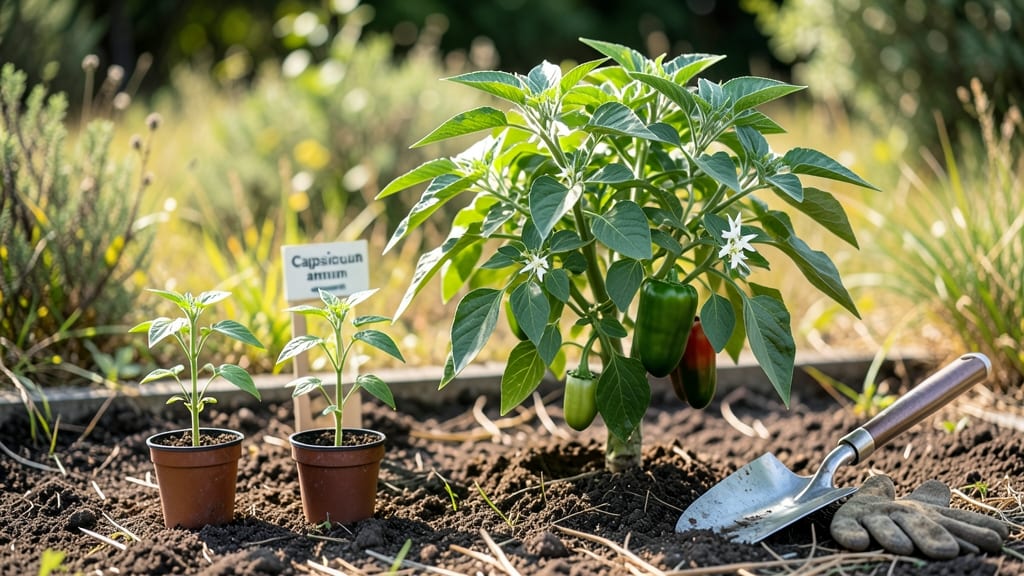
Knowing when to plant bell peppers in Pennsylvania can mean the difference between a bountiful harvest and wasted effort. With the state's diverse climate zones—from 5b in the north to 7a in the south—timing isn't one-size-fits-all.
Plant too early, and frost will nip your 🌶️ seedlings in the bud. Too late, and you might miss the sweet spot for ripe peppers by October.
Most Pennsylvania gardeners swear by starting seeds indoors 8-10 weeks before the last frost date, typically around April 15. But whether you're in Pittsburgh, Philadelphia, or Scranton, soil temperature matters more than the calendar.
Bell peppers demand warmth—60°F for germination, 70°F+ for thriving—and waiting for the right conditions ensures stronger plants and better yields.
This guide cuts through the guesswork with region-specific planting windows, soil prep tips, and backup strategies for unpredictable weather. No more second-guessing whether your garden is ready—just actionable steps to get your peppers off to the best start. Let’s make sure your July-October harvest lives up to the hype.
From transplanting timelines to extending the growing season, we’ve got the science and local insights to help you avoid common mistakes. Whether you’re a first-timer or a seasoned gardener, these details will help you plant with confidence—and enjoy the rewards all season long.
Pennsylvania’s last frost dates and ideal bell pepper planting windows by region
Timing your bell pepper planting in Pennsylvania depends heavily on your USDA zone and last frost dates. The Keystone State spans zones 4b-7a, meaning your exact schedule varies from southern (Philadelphia) to northern (Erie) regions. Miss the window, and you risk frost damage or bolting before harvest.
For direct sowing, wait until soil temperatures hit 60°F—typically mid-May in most areas. But if you’re transplanting seedlings, start 8-10 weeks before your last frost date. This means late March to early April for indoor starts, with outdoor moves in May.
Here’s how to align your planting with Pennsylvania’s frost-free windows. Use this comparison to pinpoint your region’s ideal timing:
| Region | USDA Zone | Avg. Last Frost | Direct Sow Window | Transplant Window |
|---|---|---|---|---|
| Philadelphia | 7a | April 15 | May 1–15 | April 15–May 1 |
| Harrisburg | 6b | April 25 | May 10–25 | April 20–May 10 |
| Pittsburgh | 6a | May 5 | May 20–June 1 | April 25–May 15 |
| Scranton | 5b | May 10 | May 25–June 5 | May 1–15 |
| Erie | 5a | May 15 | June 1–10 | May 10–25 |
For northern PA (e.g., Erie), consider black plastic mulch or row covers to warm soil faster. In southern PA, you might squeeze in a second planting by late June for fall harvests.
Pro tip: Check Penn State Extension’s frost maps yearly—they update averages. A late frost in May can delay planting by weeks, so stay flexible!
If you’re starting seeds indoors, begin by March 1 for most regions. Use grow lights to ensure 14+ hours of light daily until transplanting. Seedlings need 70°F soil to thrive post-transplant.
For direct sowing, avoid cold, wet soil—it causes rot. Wait for consistent 60°F+ temps for 7+ days before planting. Use a soil thermometer to confirm.
Remember: Bell peppers hate cold. Even a light frost (below 32°F) can kill young plants. In zone 5b-6a, protect seedlings with frost cloth until late May.
Plan to harvest by October 15—after that, first frost risks damage. Extend your season with greenhouse growing or container gardening near south-facing walls.
Soil temperature requirements for bell peppers: how to test and prepare your garden
Bell peppers are warm-season crops that refuse to germinate in cold soil. The magic number? 60°F minimum for seeds to sprout, with 70°F+ soil needed for healthy transplanting. Pennsylvania’s spring soil warms unevenly—southern regions like Philadelphia hit these temps by mid-April, while Pittsburgh often waits until late May.
Here’s how to check and prep your soil for success.
Start by testing your soil’s warmth with a soil thermometer (available for $10 at garden centers). Insert it 2-3 inches deep in full sun—this mimics where pepper roots will grow. Take readings at 10 AM (after morning sun warms the soil) for the most accurate gauge.
If temps hover below 60°F, your peppers will sit in the soil like cold, confused statues—no sprouts, just disappointment.
- Test soil warmth daily starting March 15 at 2-inch depth in full sun. Aim for 60°F+ for seeds, 70°F+ for transplants.
- Warm cold soil with black plastic mulch (lay 2-3 weeks before planting) or straw bales to raise temps by 5-10°F.
- Use row covers (floating fabric) to trap heat after planting, adding 3-5°F overnight protection.
- Plant in raised beds—they warm 2-3 weeks faster than ground soil in PA’s climate.
- Water with warm tap water (let hose sit in sun for 30 mins) to gently raise soil temps 1-2°F.
- Monitor forecasts for 3+ day heat waves—soil temps spike then, perfect for transplanting.
If your soil just won’t cooperate, consider container growing. Five-gallon pots filled with well-draining potting mix warm up faster than ground soil and let you move plants to sunniest spots or even patios when temps dip. Just ensure containers have drainage holes—peppers hate soggy feet!
Pro tip: Plant afternoons (2 PM or later) when soil has absorbed daytime heat. This gives young seedlings a head start in warming up their roots. Pair this with mulch (straw or grass clippings) to lock in heat and moisture—mulched beds stay 5°F warmer longer than bare soil.
Remember, soil temperature > air temperature when it comes to pepper success. Even if your thermometer says 75°F outside, if the soil’s still 55°F, your peppers will sulk. Use these tricks to trick Mother Nature into giving you the warm start your peppers deserve.
🌱