
Plants
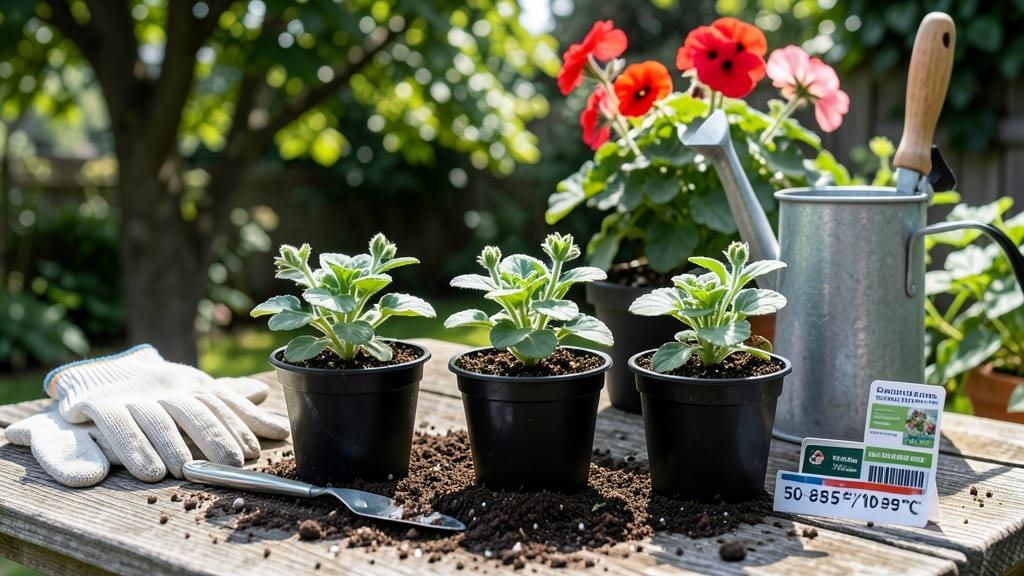
Timing when can you plant geraniums in pots outside can make or break their blooming season—plant too soon, and frost zaps their delicate roots.
The ideal window depends on your last frost date, but for most gardeners in USDA Zone 6a, that means waiting until mid-to-late spring when soil warms to at least 50°F.
Geraniums (🌸) thrive in pots once temperatures stabilize, but rushing them out too early risks stunted growth or worse. I’ve learned the hard way that even a light frost can turn vibrant blooms into sad, wilted remnants.
The key is balancing warmth with your local climate—here’s exactly how to nail the timing.
Whether you’re in a cooler zone or a warmer microclimate, this guide breaks down the perfect moment to transition your geraniums from indoor pots to outdoor spaces. We’ll cover frost-free checklists, soil prep, and even how to extend their season with simple tricks.
Ready to give your geraniums the best start? Let’s dive into the science-backed steps to ensure your pots stay full of color from spring through summer—and beyond.
Geranium planting timeline by USDA hardiness zones: exact frost-free dates
Your USDA hardiness zone is the #1 factor in determining when to plant geraniums in pots outside. These sun-loving annuals need frost-free soil and stable temperatures above 50°F (10°C) to thrive. Planting too early risks frost damage, while waiting too long can stunt growth before summer heat arrives.
Most gardeners in Zones 3-10 can safely move geraniums outdoors 2-4 weeks after the last frost date. However, northern zones (3-5) face earlier frosts, while southern zones (8-10) can plant as early as February-March in mild winters. Always check your local frost calendar for precise dates.
Geraniums prefer well-draining potting mix and containers with drainage holes to prevent root rot. If your zone has late spring frosts (like Zone 6), wait until May 15-June 1 to ensure roots establish before summer heat.
In Zone 10, you can plant as early as February 15 if nights stay above 45°F (7°C).
🌱
| USDA Zone | Last Frost Date | Ideal Planting Window | Soil Temp Requirement | Heatwave Tip |
|---|---|---|---|---|
| Zones 3-4 | May 15-June 1 | After June 1 | 55°F+ (13°C+) | Use shade cloth if temps exceed 85°F (29°C) |
| Zones 5-6 | April 15-May 1 | May 15-June 1 | 50°F+ (10°C+) | Water deeply 2x/week in July-August |
| Zones 7-8 | March 15-April 1 | April 15-May 1 | 45°F+ (7°C+) | Mulch pots to retain moisture |
| Zones 9-10 | January 15-February 15 | February 15-March 1 | 40°F+ (4°C+) | Avoid afternoon sun in peak summer |
For Zone 6a gardeners (like me!), I always wait until May 15 to move geraniums outside. Last year, I planted Pelargonium zonale on May 1, and a late frost on May 10 wilted my bright red blooms overnight.
Now, I use frost cloth for the first week after transplanting as extra protection.
If you're in a warmer microclimate (like a south-facing patio or urban heat island), you can plant 2-3 weeks earlier than your zone's average. Test soil temperature with a soil thermometer—geraniums won't thrive until it hits 50°F (10°C) consistently.
Pro tip: Black pots absorb heat faster, helping roots warm up quicker in cooler zones.
After transplanting, harden off your geraniums for 5-7 days by placing them in partial shade during the day and bringing them indoors at night. This acclimates them to outdoor conditions and prevents transplant shock.
I use 5-gallon buckets with drainage holes for my container geraniums, and I add perlite to the potting mix to improve drainage.
Watch for heat stress in Zones 8-10 during summer. Geraniums can bolt (go to seed) if daytime temps exceed 90°F (32°C) for weeks. To prevent this, provide afternoon shade with a lightweight shade cloth (30-50% shade) or move pots to a shadier spot temporarily.
In my Zone 7b garden, I move geraniums to morning sun only in July and August.
🌿
5 Signs your geraniums are ready for outdoor pots (and 3 mistakes to avoid)
Geraniums thrive when moved outside at the right moment—too soon and they’ll wilt from cold soil, too late and you’ll miss peak blooming season. Look for these 5 readiness signs before transitioning your potted geraniums to outdoor conditions.
First, check for new leaf growth at the tips of stems. Healthy geraniums grow 1-2 inches per week in spring, signaling they’ve broken winter dormancy and can handle cooler outdoor temps.
Next, examine the root system. Gently squeeze the pot—if roots are crowded and circling the bottom, it’s time to upgrade to a larger container or outdoor spot. Roots should also feel firm but flexible, not mushy.
🌱Visual Element: Numbered Highlights🌱
Avoid these 3 common mistakes that sabotage outdoor geraniums: transplanting when buds are already open (they’ll drop), using pots without drainage holes (root rot risk), and moving plants outside on windy days (stresses delicate foliage).
Pro tip: Harden off your geraniums by placing pots outside for 2-3 hours daily for 5-7 days before full transition. Start with morning sun and gradually increase exposure to prevent shock.
Once outside, watch for yellowing leaves—a sign of overwatering in containers. Geraniums prefer dry soil between waterings and can’t tolerate soggy roots. Mulch pots with gravel or pebbles to improve drainage and reduce moisture loss.