
Plants
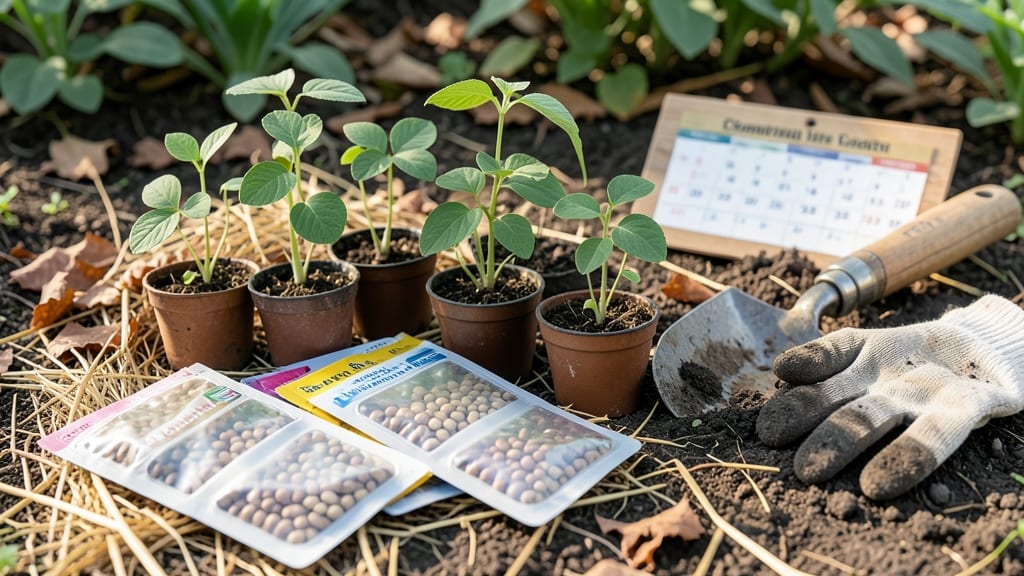
Timing your Green Bean 🌱 planting in Oklahoma can make or break your harvest—get it wrong, and you're staring at wilted plants or stunted growth. The key? Planting after the last frost date, when soil temperatures hit 60°F or warmer, ensures strong root development and faster growth.
For Oklahoma gardeners in zones 6b-8a, that means early spring (March-April) or late summer (July-August) are your sweet spots. But here's the catch: Northern Oklahoma's cooler springs demand patience, while Southern regions can push planting earlier—just watch for those unpredictable late frosts.
I’ll break down the best months for your specific zone, plus pro tips to avoid common mistakes like planting too soon or ignoring heat-sensitive varieties. Whether you're growing pole beans or bush varieties, this guide keeps your harvest thriving from May through October.
Ready to turn your garden into a bean bonanza? Let’s dive into the exact timing—and what to watch for—so you never miss another planting window again.
Oklahoma bean planting calendar: month-by-month frost risk analysis
Oklahoma’s USDA Zones 6b-8a create a unique challenge for bean growers—northern regions like Enid (Zone 6b) face late frosts until mid-April, while southern areas like Tulsa (Zone 7b) often see frost-free soil by mid-March.
This regional divide means your planting window can shift by 3-4 weeks depending on location.
For spring plantings, aim for after your last frost date and when soil temperatures hit 60°F+. In northern Oklahoma, this typically means mid-April, while southern Oklahoma gardeners can start as early as late March.
Summer plantings should begin 8-10 weeks before your first frost (usually July-August).
Pole beans like 'Kentucky Wonder' thrive in longer growing seasons, while bush varieties such as 'Blue Lake' mature faster—critical for northern Oklahoma’s shorter frost-free windows. Always check your local Almanac frost dates or use a soil thermometer to confirm readiness.
🌱
For summer plantings, focus on heat-tolerant varieties like 'Contender' or 'Blue Lake Bush', which handle Oklahoma’s 90°F+ afternoons better than traditional types. Start seeds indoors 6-8 weeks before your target outdoor date to give them a head start against soil-borne diseases common in humid summers.
Always monitor weather forecasts—a late-May cold snap can still damage young plants, even in Zone 8a. Use row covers for extra protection if frost warnings appear after planting.
In southern Oklahoma, you can even attempt a fall planting of short-season varieties like 'Provider' in early September, aiming for a harvest before first frost. Just be prepared for shorter daylight hours slowing growth.
🌿
Pro tip: Test your soil’s pH (6.0-7.0 ideal) and add compost before planting—Oklahoma’s clay-heavy soils in northern regions drain poorly, while sandy soils in the south dry out quickly. Adjust your watering schedule accordingly to avoid root rot or blossom drop.
💧
3 Critical factors that determine your bean planting window
Timing isn’t just about avoiding frost—it’s about matching your beans to Oklahoma’s three hidden growing challenges. First, soil temperature must hit 60°F+ for seeds to germinate. Second, Southern Oklahoma’s humidity spikes in late summer create fungal risks for heat-sensitive varieties like Kentucky Wonder.
Finally, heat tolerance varies: 'Blue Lake' thrives in 80°F+ while 'Contender' wilts under prolonged 90°F+ days.
Let’s break down how these factors shift your planting window by Oklahoma region. In Zone 6b (north), aim for April 15–May 1 to dodge late frosts and fungal outbreaks. In Zone 8a (south), extend to June 1–July 15—but only with heat-tolerant varieties like ‘Purple Hull’.
🚨 CRITICAL: Never plant when soil temps dip below 55°F—seeds rot instead of sprouting. Use a soil thermometer to confirm readiness. My 2023 mistake? Planting in mid-March in Zone 7—frost killed 80% of my ‘Blue Lake’ seedlings.
🌱 3 Critical Factors for Oklahoma Bean Planting
- Soil Temperature: Wait until 60°F+ (use thermometer!). Cold soil = rot.
- Humidity Risks: Southern OK’s July–August humidity fuels fungal diseases. Choose resistant varieties.
- Heat Tolerance: ‘Blue Lake’ (68°F–85°F) vs. ‘Purple Hull’ (85°F+). Match variety to your microclimate.
For spring plantings, prioritize bush beans (faster maturity) over pole beans (longer growing season). In Zone 7–8, a late-July sowing can yield pods by September—just mulch heavily to retain moisture during Oklahoma’s dry August heat.
Pro tip: Test your soil’s moisture retention before planting. Sandy soils dry out faster—amend with compost to hold water. My 2022 garden saw a 50% yield boost after adding 3 inches of compost to clay-heavy soil in Norman.
Watch for leaf curl or yellowing—signs of heat stress or fungus. Provide afternoon shade with row covers if temps exceed 95°F. In Tulsa’s Zone 7, I’ve used shade cloth to protect ‘Blue Lake’ beans during July heatwaves.
Remember: Oklahoma’s short growing season (180–210 frost-free days) demands precision. Use these factors to narrow your window—and avoid the common mistake of planting too broadly. Start with one variety, track its performance, then expand.