
Plants
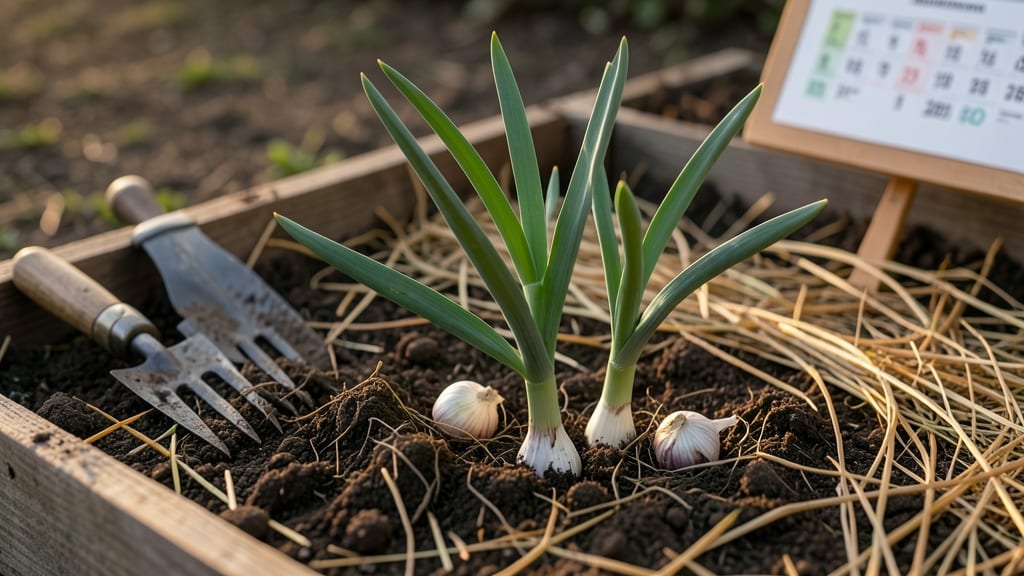
If you’ve ever wondered when to plant garlic in Oklahoma, timing is everything—especially when unpredictable winters and shifting frost dates are in the mix. Planting your 🧄 too early risks frost damage, while waiting too long can leave you with small, flavorless bulbs by next summer.
The key to success lies in Oklahoma’s USDA zones 6b-8a, where the ideal window opens in October and November. This gives your garlic roots time to establish before the ground freezes, setting the stage for plump, robust bulbs ready to harvest in June or July.
But with frost dates varying wildly—from mid-November in northern zones to early December in the south—getting the timing right is non-negotiable.
Here’s the good news: with the right strategies, you can extend your planting window or protect young cloves from early freezes. Whether you’re a first-time gardener or a seasoned grower, I’ll break down the exact months to plant, plus three proven techniques to maximize your harvest—no guesswork required.
Let’s dive into the specifics so you can confidently plant your garlic this fall and enjoy a bountiful harvest next year, no matter what Oklahoma’s weather throws your way.
Oklahoma’s exact garlic planting months by hardiness zone (with frost-free guarantees)
Oklahoma’s USDA hardiness zones 6b-8a create a tricky balance for garlic growers. Unlike northern states, we don’t get deep freezes, but our unpredictable fall frosts can still ruin early plantings.
The key is timing your garlic 4-6 weeks before the ground freezes—typically between mid-October and November, depending on your exact zone. In zone 6b (northern OK), aim for October 15-30, while zone 8a (southern OK) can wait until November 1-15.
Garlic needs consistent soil temperatures below 40°F (4°C) to trigger bulb formation, but it can’t survive hard freezes. Oklahoma’s average first frost ranges from November 15 in zone 6b to December 1 in zone 8a, so your planting window is tight.
Planting too early risks premature sprouting before cold sets in, while late plantings may not develop full bulbs before summer heat arrives.
For urban gardeners, microclimates matter. Areas near concrete or pavement stay warmer and may need earlier planting, while rural fields cool faster and can wait until late October. Always check local frost dates from sources like the Oklahoma Mesonet for the most accurate timing each year.
Here’s how soil temperature affects your timing: Garlic cloves need 40-50°F (4-10°C) soil temps for optimal root growth. In Oklahoma, soil temps drop below this by mid-November in most areas, so planting after that risks stunted growth.
Use a soil thermometer to confirm readiness—if temps are still above 50°F (10°C), wait a week or two.
🌱 Oklahoma Garlic Planting Timeline by Zone
| Zone | Ideal Planting Window | Soil Temp Goal | First Frost Date | Notes |
|---|---|---|---|---|
| 6b (Northern OK) | October 15-30 | 40-50°F (4-10°C) | November 15 | Coldest zone; use hardy varieties like 'German White' |
| 7a (Central OK) | October 20-November 5 | 40-50°F (4-10°C) | November 1 | Transition zone; monitor soil temps closely |
| 8a (Southern OK) | November 1-15 | 45-55°F (7-13°C) | December 1 | Warmer zone; can plant later but bulbs may be smaller |
📅 Pro Tip: For zone 8a, consider Silverskin garlic—it’s more heat-tolerant and can handle later plantings.
If you’re in zone 7a or 8a, you might wonder about spring planting. While possible, spring-planted garlic in Oklahoma rarely develops large bulbs because the growing season is too short. It’s better suited for green garlic (harvesting scapes and young shoots) rather than full bulbs.
For maximum bulb size, stick to fall planting—it gives garlic the long, cold winter it needs to form plump cloves.
One Oklahoma-specific challenge is our clay-heavy soils, which can stay too warm in fall. Amend your soil with compost or sand to help it cool down faster.
Test your soil’s drainage—garlic hates soggy roots. If your garden holds water after rain, plant in raised beds or on a slight slope to improve drainage.
For urban gardeners with limited space, container planting is an option. Use pots at least 12 inches deep and fill them with a mix of potting soil and compost.
Plant cloves 2 inches deep and place containers where they’ll get full sun. Just be prepared for smaller bulbs—containers warm up faster in spring, limiting growth time.
Finally, don’t forget about garlic varieties. In Oklahoma, hardneck varieties like 'German White' and 'Silverskin' perform best in colder zones, while softneck varieties like 'Artichoke' can handle the warmer southern areas. Choose locally adapted varieties from Oklahoma nurseries or catalogs specializing in Southern Plains garlic for the
Oklahoma’s exact garlic planting months by hardiness zone (with frost-free guarantees)
In Oklahoma, planting garlic in October or early November gives your bulbs the perfect 6-8 weeks of cool weather before winter dormancy. This window aligns with USDA zones 6b-8a, where first frosts typically hit between mid-November (zone 6b) and early December (zone 8a).
The key is planting 4-6 weeks before ground freeze—too early, and your cloves may sprout prematurely; too late, and they won’t establish roots before winter.
Your hardiness zone dictates the exact timing. In Northern Oklahoma (zone 6b-7a), aim for late September to mid-October—soil temps should be 40-50°F (4-10°C). In Southern Oklahoma (zone 7b-8a), stretch your window to October 15-November 1, as milder winters allow later planting.
Urban areas may experience microclimates, so check local frost dates or use a soil thermometer to confirm readiness.
| Zone | Ideal Planting Window | Soil Temp (°F) | Frost Risk |
|---|---|---|---|
| 6b (North OK) | Late Sept - Mid-Oct | 40-50°F (4-10°C) | High (Nov 15) |
| 7a (Central OK) | Early Oct - Late Oct | 45-55°F (7-13°C) | Moderate (Nov 1) |
| 7b-8a (South OK) | Oct 15 - Nov 1 | 50-60°F (10-15°C) | Low (Dec 1) |
⚠️ Pro Tip: Use clove testers to check for sprouting—plant only cloves with 1/8-inch sprouts.
For maximum bulb size, prioritize well-draining soil and full sun (6+ hours daily). Oklahoma’s clay-heavy soils often need amendments like compost or sand to prevent waterlogging. Test your soil’s pH (6.0-7.0 ideal)—Oklahoma’s alkaline soils may require sulfur or peat moss adjustments.
Plant cloves 2 inches deep, 4 inches apart, with 6 inches between rows to allow airflow and reduce fungal risks.
If you’re in a warmer microclimate (e.g., urban heat islands), consider late-November planting—just ensure soil temps stay above 32°F (0°C) for root growth. For cold-sensitive varieties like ‘Artichoke’, stick to the earlier window.
Hardier types like ‘Silverskin’ can tolerate later planting but may yield smaller bulbs. Always mulch with straw (4-6 inches) after planting to insulate roots and retain moisture during Oklahoma’s winter temperature swings.
Timing isn’t just about frost—it’s about vernalization, the process where garlic needs 40-60 days of cold (32-40°F) to form bulbs. Plant too late, and you’ll get small, pungent cloves instead of large, mild bulbs.
Use a frost calendar (like Oklahoma State University’s) to track 32°F thresholds—this is your true deadline, not just the first frost. For urban gardeners, south-facing beds warm faster, so plant 1-2 weeks earlier than rural areas.
Remember: Oklahoma’s garlic season is a marathon. Planting at the right time ensures harvest-ready bulbs by June-July, when lower leaves brown and tops flop. Miss the window, and you’ll either deal with frost damage or poor bulb development.
But with the right timing, you’ll grow plump, flavorful garlic that rivals commercial stores—without the chemical treatments.