
Plants
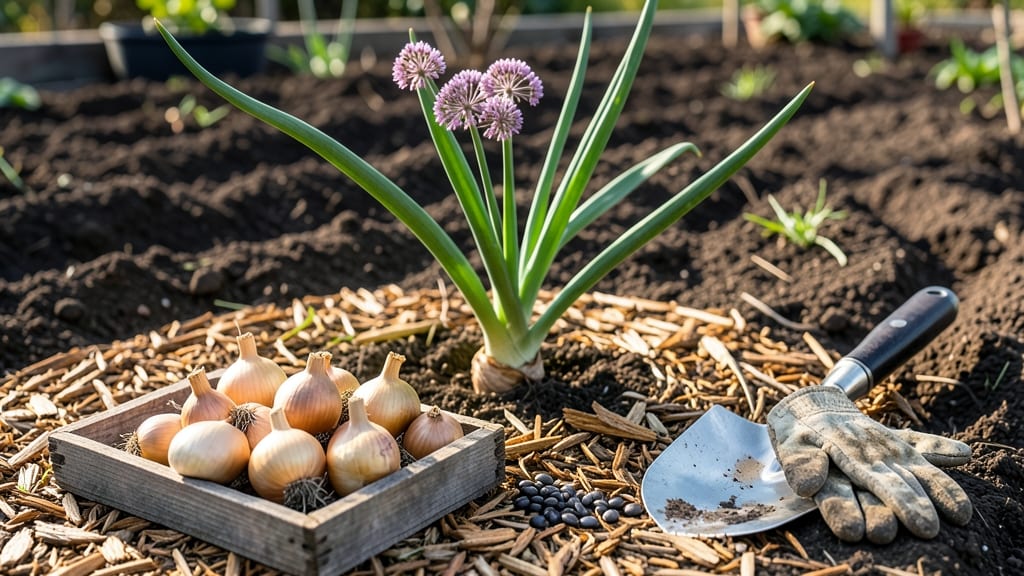
Planting onions in Oklahoma can feel like a high-stakes game of timing—get it wrong, and you might end up with bolted greens or frost-bitten bulbs. The key to success lies in understanding your USDA 6b-7a zone’s quirks, where late winters and early springs demand precision.
Most gardeners in Oklahoma swear by fall planting (September-October) as the golden window, letting onions establish roots before winter’s chill. But spring planting (February-March) works too, if you time it right—just avoid the March 15 last-frost date like the plague.
Whether you’re growing short-day varieties (like Texas Early White) or experimenting with sets, the secret is preparing your soil early and protecting young plants from Oklahoma’s infamous temperature swings. Let’s break down the perfect schedule to ensure your 🧅 harvest thrives.
From mulching strategies to variety selection, I’ll show you how to turn Oklahoma’s unpredictable climate into your onion-growing advantage—no guesswork required.
Best planting months for onions in Oklahoma: avoiding frost and bolting
Timing is everything when planting onions in Oklahoma. The state’s USDA Zones 6b-7a mean you’ll need to balance frost dates and soil temperatures to avoid bolting or winter kill. Most gardeners in Oklahoma City and Tulsa swear by fall planting for the best results, but spring options exist too.
For spring onions, aim to plant 4-6 weeks before your last frost date—typically mid-February to early March. This gives seedlings time to establish roots before Oklahoma’s unpredictable late-spring freezes (which can still hit in April).
If you miss this window, don’t panic—just opt for short-day onion varieties, which thrive in Oklahoma’s latitude.
Fall planting is my top recommendation for Oklahoma gardeners. Start 8-10 weeks before your first frost (usually late August to early October). This ensures bulbs mature before winter sets in. In rural Oklahoma, where nights get colder faster, push planting to September for safety.
🌱 Onion Planting Timeline for Oklahoma
| Planting Window | Ideal Months | Soil Temp | Key Notes |
|---|---|---|---|
| Spring Planting | February-March | 40-50°F | Use short-day varieties; mulch to retain warmth. |
| Fall Planting | August-October | 50-60°F | Best for bulbs; avoid late October in Zone 7a. |
| Late Summer | July | 60-70°F | Risk of bolting; best for green onions. |
📌 Pro Tip: Check your local Almanac frost dates—Oklahoma City’s last frost averages March 15, but rural areas can vary by 2 weeks.
Oklahoma’s clay-heavy soils can delay warming in spring, so I always test soil temperatures with a soil thermometer. Onions need 40-50°F soil to germinate—if it’s colder, wait or use a cold frame.
In Tulsa’s warmer microclimate, you might push spring planting to early April, but monitor weather forecasts for cold snaps.
For fall onions, late August is ideal in most of Oklahoma, but gardeners in southern Oklahoma (Zone 7a) can extend planting to mid-October. The goal is to harvest before first frost, which typically hits November 15.
If you’re unsure, plant a test row in September—you’ll know in 6-8 weeks whether bulbs are forming.
Bolting is a real threat in Oklahoma’s heat. If you plant in late spring (May-June), choose long-day varieties like ‘Texas Early White’—they’re bred to tolerate Oklahoma’s long summer days.
For fall planting, short-day varieties like ‘Yellow Granex’ are foolproof. Always plant 1 inch deep and keep soil moist to prevent bolting.
One mistake I see often is planting onion seeds directly in Oklahoma’s heat. Seeds need consistent moisture to germinate—if the soil dries out, they’ll fail. Instead, start seeds indoors 8-10 weeks before transplanting or buy onion sets from a local nursery for a head start.
Don’t forget to amend Oklahoma’s clay soil before planting. Mix in compost or aged manure to improve drainage, and add a balanced fertilizer (10-10-10) at planting time. Onions are heavy feeders, but too much nitrogen will give you leaves over bulbs—so follow package instructions closely.
Finally, mulch! A 2-inch layer of straw keeps soil temperatures stable and reduces weeds. In spring, mulch helps retain warmth; in fall, it insulates roots from freeze-thaw cycles. Just
Best planting months for onions in Oklahoma: avoiding frost and bolting
Oklahoma’s USDA Hardiness Zones 6b-7a create a unique challenge for onion growers. Unlike northern states, we don’t face extreme cold, but our hot summers and unpredictable spring frosts demand precise timing. Planting too early risks frost damage, while late planting can trigger bolting—when onions flower prematurely and become bitter.
For spring onions, the sweet spot is February through early March, giving plants time to mature before summer heat sets in. Fall planting offers a second chance, with ideal windows from late August to October.
This two-season approach maximizes your harvest potential while avoiding Oklahoma’s most extreme weather.
Here’s how to calculate your exact planting windows using Oklahoma’s average last frost date (March 15) and first frost date (November 15). For spring, count back 4-6 weeks from the last frost. For fall, plant 8-10 weeks before the first frost to ensure bulbs mature before winter.
| Planting Season | Ideal Months | Key Considerations |
|---|---|---|
| Spring | February - Early March | Plant when soil temps reach 40°F; avoid late March heat waves. |
| Fall | Late August - October | Prioritize short-day varieties (e.g., 'Texas Early White') for Oklahoma’s latitude. |
| Microclimate Adjustments | Oklahoma City: 1 week earlier Tulsa: 1 week later Rural areas: Follow local frost data |
Use USDA Plant Hardiness Zone Map for precise local adjustments. |
Oklahoma’s microclimates play a huge role in success. Urban areas like Oklahoma City tend to warm up faster in spring, while Tulsa’s humidity can delay planting by a week.
Rural areas with elevated terrain may experience frost 2-3 weeks later than cities. Check your local cooperative extension service for hyper-local frost data.
For spring planting, aim to harvest by mid-June to avoid the brutal July heat. Fall-planted onions should mature by November 1 to prevent winter kill. If you’re in Zone 7a (southern Oklahoma), you can push fall planting to early November, but cover with straw mulch for insulation.
Pro tip: Use onion sets (small bulbs) instead of seeds for faster, more reliable results. Sets sprout quicker and give you 3-4 weeks of flexibility in your planting window. Just plant them 1 inch deep and 4 inches apart in well-draining soil.