
Plants
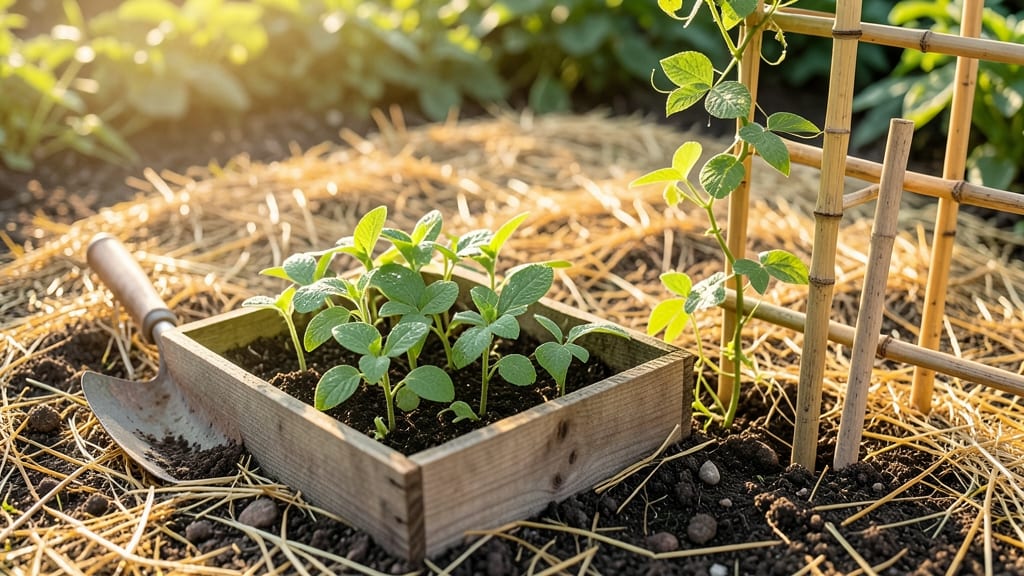
North Carolina bean planting dates by variety: frost-free & soil temperature guidelines
North Carolina’s diverse climate zones (USDA 6b–8a) create unique planting windows for beans. The key is waiting for soil temperatures to hit 60°F—cold soil stunts growth, while waiting too long risks overcrowded harvests.
Most NC gardeners aim for 2 weeks after the last frost date, but varieties like pole beans need even warmer soil (70°F+).
For spring planting, start in mid-April in coastal areas (e.g., Wilmington) and late April in the Piedmont (e.g., Raleigh). Mountain regions (e.g., Asheville) wait until early May.
Fall planting runs from August 1–September 15, with cooler mountain zones extending into late September. Always check your local frost-free date—NC’s varies 1–3 weeks by region.
Soil temperature is non-negotiable for beans. Use a soil thermometer ($10–$15) to confirm 60°F+ for bush beans or 70°F+ for pole beans. In NC’s humid summers, soil warms faster in black plastic mulch or raised beds. Pro tip: Plant black-seeded varieties (e.g., ‘Tendergreen’) first—they warm up quicker than white-seeded types.
| Variety | NC Planting Window | Soil Temp Threshold | Days to Harvest | Best NC Regions |
|---|---|---|---|---|
| Bush Beans (e.g., ‘Blue Lake’) | April 15–May 15 (spring) / Aug 15–Sep 1 (fall) | 60°F+ | 50–60 days | Coastal, Piedmont |
| Pole Beans (e.g., ‘Kentucky Wonder’) | May 1–June 1 (spring) / Aug 1–Aug 15 (fall) | 70°F+ | 60–75 days | Piedmont, Mountains |
| Lima Beans (e.g., ‘Fordhook’) | May 15–June 10 (spring) / Aug 10–Sep 10 (fall) | 75°F+ | 70–90 days | Coastal, Piedmont |
| Runner Beans (e.g., ‘Scarlet Runner’) | April 20–May 10 (spring) / Aug 1–Aug 15 (fall) | 65°F+ | 80–100 days | Mountains, Piedmont |
NC’s mountain regions (e.g., Boone) have shorter growing seasons, so focus on early-maturing varieties like ‘Contender’ bush beans (45 days) or ‘Rattlesnake’ pole beans (60 days).
In coastal areas (e.g., Wilmington), heat-tolerant types like ‘Iron Clay’ lima beans thrive in 90°F+ soil. Always succession plant every 2 weeks for continuous harvests.
Watch for late frosts in NC’s Piedmont—they can hit as late as mid-April. Use frost cloth if planting early, or opt for cold-hardy varieties like ‘Black Valentine’ beans (tolerates 28°F).
In fall, stop planting by September 15 to ensure beans mature before first frost (typically November 15 in most zones).
Pro tip: Test your soil before planting—NC’s clay-heavy soils (common in Piedmont) benefit from compost or aged manure to improve drainage. Aim for a pH of 6.0–7.0. Add a 1-inch layer of mulch after planting to retain moisture and suppress weeds, especially in hot, dry summers.
For container gardening in NC, choose bush bean varieties like ‘Blue Lake’ and plant in 5-gallon pots with
How to adjust planting for NC’s microclimates: coastal vs. Piedmont vs. mountains
North Carolina’s diverse geography means your bean planting schedule should change based on whether you’re near the coast, in the Piedmont, or in the mountains. Each region has unique temperature patterns, humidity levels, and frost risks that affect when and how you should plant.
For coastal areas like Wilmington or Morehead City, the ocean moderates temperatures, allowing you to start planting 2-3 weeks earlier than inland areas. The last frost typically occurs around March 1, and soil warms quickly, making early April ideal for sowing seeds.
Piedmont regions like Raleigh or Greensboro experience more extreme temperature swings. Here, wait until after the average last frost date (March 15) and ensure soil temperatures reach at least 60°F before planting. Late April to early May is the sweet spot for most varieties.
| Region | Last Frost Date | Ideal Planting Window | Key Adjustments |
|---|---|---|---|
| Coastal (Wilmington) | March 1 | Early April - Late May | Plant earlier; watch for humidity-related diseases |
| Piedmont (Raleigh) | March 15 | Late April - Early June | Wait for soil warmth; use drought-tolerant varieties |
| Mountains (Boone) | April 15 | Late May - Early July | Start later; choose shorter-season varieties |
In the mountains, like Asheville or Boone, cooler temperatures delay planting until late May or early June. The last frost often occurs around April 15, and soil stays cold longer, so opt for shorter-season varieties like 'Blue Lake' or 'Kentucky Wonder' to avoid fall frosts.
For extended harvests, practice succession planting every 2-3 weeks in spring and fall. In hot, dry Piedmont areas, mulch heavily to retain moisture, while coastal gardeners should space plants wider to improve airflow and reduce fungal risks.
Drought-resistant varieties like 'Rattlesnake' beans thrive in western NC’s rocky soil, while heat-tolerant 'Black Valentine' beans suit the Piedmont’s summer heat. Always check your local extension office for region-specific frost data to fine-tune your schedule.