
Plants
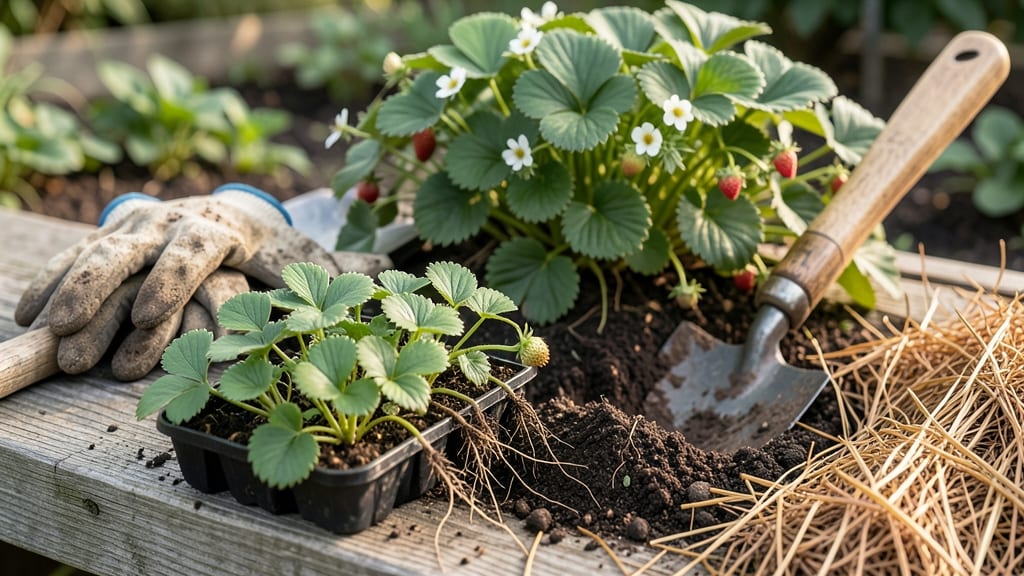
Planting strawberries in Missouri at the wrong time can mean the difference between a bursting harvest of sweet 🍓 and a sad, frost-nipped disappointment. With frost dates that shift yearly and USDA zones ranging from 5b to 7a, knowing exactly when to plant is your secret weapon for success.
Most gardeners in Missouri swear by fall planting—typically between September and October—because cooler soil temperatures help roots establish before winter. But spring planting (February to April) works too, especially for hardy varieties that can handle Missouri’s early chills.
The key is timing it right: plant when soil temps dip below 80°F but before hard frosts arrive. Whether you’re growing June-bearing, everbearing, or day-neutral strawberries, this guide breaks down the perfect windows for your zone and variety.
Ready to grow strawberries that thrive? I’ll walk you through the exact months to plant, how to prep your soil, and even how to extend your harvest season—so you can enjoy fresh-picked berries from late spring to summer.
Missouri strawberry planting timeline by frost Zone and variety type
Planting strawberries in Missouri requires precision, especially with the state's diverse USDA zones (5b-7a) and unpredictable frost dates. The key is aligning your planting schedule with soil temperatures and variety-specific needs.
June-bearing types need early planting, while everbearing and day-neutral varieties offer more flexibility. Let’s break down the ideal windows for each type and zone.
Missouri’s average last frost date falls around March 15, but this can vary by 1-2 weeks depending on your location. For example, northern zones like St. Louis (6a) may experience frost until April 10, while southern areas like Springs (7a) often see frost-free conditions by March 1.
Always check your local frost-free date calculator before planting.
Soil temperature is another critical factor. Strawberries thrive when soil reaches 40°F and stays above 50°F consistently. In Missouri, this typically happens between late February and early April for spring planting. For fall planting, aim for September-October when soil temperatures drop below 80°F but remain above freezing.
Here’s a quick reference for your Missouri strawberry planting timeline by variety and zone:
| Variety Type | USDA Zones | Spring Planting Window | Fall Planting Window | Soil Temp Threshold | Notes |
|---|---|---|---|---|---|
| June-bearing | 5b-7a | Late February - Early April | Not recommended | 40°F+ | Single harvest; needs cold dormancy |
| Everbearing | 5b-6b | Early March - Mid-April | Late August - Early September | 45°F+ | Two harvests; tolerates partial shade |
| Day-neutral | 6a-7a | Mid-March - Early May | September - Early October | 50°F+ | Continuous harvest; heat-tolerant |
For June-bearing strawberries, such as ‘Jewel’ or ‘Chandler’, planting in late winter (February-March) ensures they establish roots before the growing season. These varieties produce one massive harvest in late May-June, so timing is critical. Avoid fall planting for June-bearing types—they require a cold period to fruit.
If you prefer everbearing varieties like ‘Ozark Beauty’, you can plant in both spring and fall. Spring planting yields fruit in June-July, while fall-planted beds produce a smaller crop the following May-June.
This dual approach extends your harvest window. For day-neutral varieties like ‘Seascape’, fall planting is ideal—they’ll produce fruit continuously from June through October.
Missouri’s microclimates can shift planting windows by weeks. For example, urban areas like Kansas City (Zone 6a) may experience earlier soil warming than rural northern Missouri (Zone 5b).
Always monitor your local weather station or use a soil thermometer to confirm readiness. A general rule: wait until soil is workable—no more mud, no more rocks.
Pro tip: Use black plastic mulch in early spring to warm the soil faster. Lay it down 2-3 weeks before planting to create a 5-10°F warmer microclimate.
This trick is especially helpful in Zone 5b, where cold snaps are common. Just remove the mulch once plants are established to prevent overheating.
For gardeners in Zone 7a (southern Missouri), fall planting offers a longer growing season. Plant day-neutral varieties in September to enjoy fruit until first frost in November. Pair this with row covers to push harvests into December if temperatures cooperate.
Missouri’s frost dates are a moving target, so always have a backup plan. If an unexpected freeze threatens, cover plants with frost blankets or old bedsheets.
Strawberries can tolerate light frosts (28°F), but prolonged cold (<25°F) will damage foliage. The good news? New growth is more frost-sensitive than established plants, so prioritize protecting young beds.
🌱
How to adjust strawberry planting for Missouri’s microclimates
Missouri’s varied geography—from the Ozark highlands to the Mississippi River valleys—means your strawberry planting schedule might differ by just 20 miles. Urban gardeners in St. Louis face different frost risks than those in Sedalia or Springfield. Understanding these microclimates helps you extend harvests and protect tender plants.
High-altitude areas like the Ozarks (USDA Zone 6a) often experience earlier frosts and cooler soils. Meanwhile, river valleys like the Mississippi bottoms (Zone 7a) can stay warmer 2-3 weeks longer in spring.
Even urban heat islands in cities like Kansas City can push planting windows 1-2 weeks earlier than rural areas.
🌱 Key Adjustments for Microclimates
Mulching is your secret weapon in Missouri’s unpredictable springs. Apply 4-6 inches of straw mulch after planting to insulate roots and retain moisture. In high-desert areas (like southwest Missouri), add compost mulch to boost soil warmth.
If you’re in a transition zone (Zone 6b/7a), consider split planting: Install half your June-bearing plants in early March and the other half in late March. This stretches your harvest by 2-3 weeks and reduces frost damage risk to all plants at once.
Pro tip: Use a soil thermometer—strawberries need soil temps above 40°F to root and above 50°F to thrive. In cool microclimates, black plastic mulch can add 5-8°F of warmth, letting you plant 2 weeks earlier.