
Plants
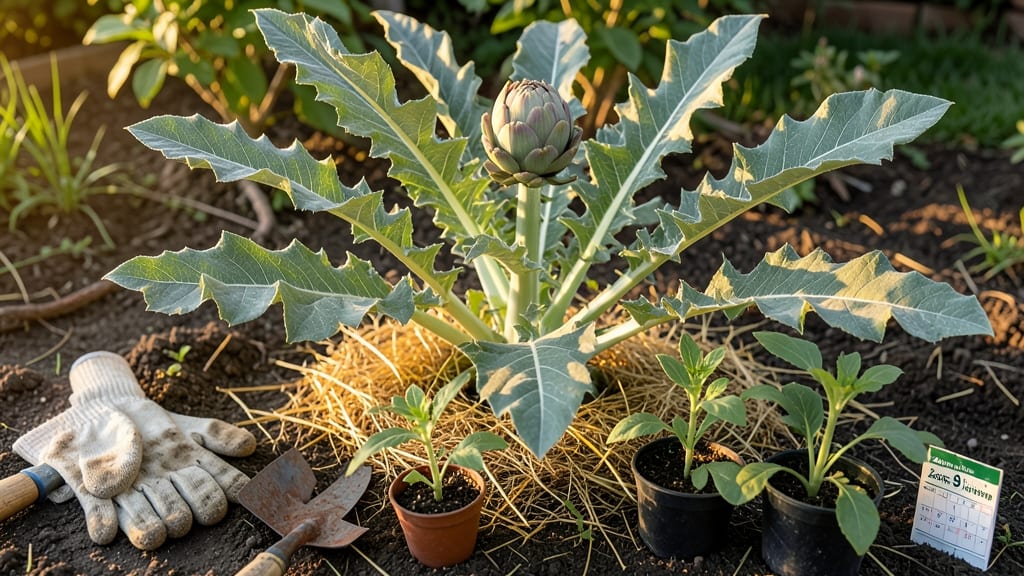
If you're dreaming of harvesting tender artichokes 🌱 in Zone 9, the when to plant artichokes in zone 9 is everything—and getting it wrong could mean bitter disappointment. The key to zero-bolt success lies in planting during that narrow cool-season window when temperatures cooperate, not when the heat spikes prematurely.
Zone 9's mild winters make artichokes a perfect fit, but rushing them into the ground too early or too late can trigger bolting—the dreaded flower spike that turns your gourmet crop into a sad, seed-filled disappointment.
I’ve learned the hard way that patience pays off, and the difference between a thriving artichoke patch and a failed experiment often comes down to when you plant.
For Zone 9 gardeners (think Southern California, Phoenix, or Arizona), the sweet spot opens in late winter—between January and March—when soil temperatures dip just enough to encourage strong root establishment without stressing the plant.
This isn’t just about dates; it’s about reading your microclimate and giving your artichokes the best shot at a long, productive life.
In this guide, I’ll walk you through the exact window to plant, whether you’re starting from seed or transplanting, plus the post-planting care secrets that keep your artichokes happy and bolting-free. Let’s get those fuzzy green treasures growing the right way!
Zone 9 artichoke planting calendar: exact months for zero-bolt harvests
Zone 9’s frost-free winters create a unique opportunity to grow artichokes year-round—but timing is everything. Unlike cooler climates, your Zone 9 garden demands precise planting windows to avoid bitter bolting or stunted growth.
The ideal window spans late winter to early spring, when soil temperatures hover between 60°F and 70°F and daytime highs stay below 80°F.
For Southern California, aim for January to March plantings, while Arizona gardeners should start in February to April. Florida’s warmest zones (like Miami) can push planting to March or April to escape summer’s brutal heat.
These windows align with artichokes’ cool-season growth needs while avoiding the heat stress that triggers bolting.
Here’s your Zone 9 artichoke planting timeline, broken down by region and temperature thresholds:
| Region | Ideal Planting Window | Soil Temp (°F) | Key Consideration |
|---|---|---|---|
| Southern California (LA, San Diego) | January–March | 60–70°F | Avoid coastal fog; use shade cloth in March |
| Arizona (Phoenix, Tucson) | February–April | 65–75°F | Drip irrigation required; mulch heavily |
| Florida (Miami, Fort Lauderdale) | March–April | 70–75°F | Use shade cloth 30–50% to delay bolting |
| All Regions | Avoid May+ plantings | >80°F | High risk of bolting; bitter flavor |
Pro tip: Test your soil temperature with a soil thermometer before planting. Artichokes need warm roots but cool tops—ideal temps are 60–70°F at planting, with daytime highs under 80°F for the first 6 weeks. Use black plastic mulch in desert climates to warm soil faster.
For transplants, purchase 6–8 week old starts from nurseries in January–February. Harden them off for 7–10 days before setting out. If starting from seed, sow indoors 8–10 weeks before your target planting date (e.g., November for March outdoor planting).
Zone 9’s long growing season lets you stagger plantings every 2–3 weeks for continuous harvests.
Microclimates matter! Coastal areas like San Diego or Santa Barbara can plant 2 weeks earlier than inland deserts. Monitor your local high-temperature trends—if your area hits 85°F+ consistently, switch to shade-tolerant varieties like ‘Green Globe’, which bolt later.
After planting, prioritize consistent moisture and light feeding. Artichokes are heavy feeders but hate soggy soil. Amend your beds with compost and aged manure before planting, and side-dress with 5-10-10 fertilizer 6 weeks later. Mulch with straw or wood chips to retain moisture and regulate soil temps.
Remember: In Zone 9, spring plantings (March–April) yield the best flavor, while fall plantings (August–September) risk bolting before winter. Stick to the cool-season window, and you’ll enjoy tender, zero-bolt artichokes from May through July.
🌱
Zone 9 artichoke planting calendar: exact months for zero-bolt harvests
Zone 9’s frost-free winters and warm springs create a perfect window for growing artichokes—but timing is everything. Plant too early, and your plants may bolt (flower prematurely) from heat stress.
Too late, and you’ll miss the cool-season growth they crave. The sweet spot? Late January to early March, when soil temps hover between 55°F and 65°F.
Southern California’s coastal areas (like San Diego) can start as early as mid-January, while inland desert zones (like Phoenix) should wait until late February to avoid heat-induced bolting. Florida’s warmest zones (e.g., Miami-Dade) align with February plantings for ideal spring harvests.
| Month | Soil Temp (°F) | Action | Notes |
|---|---|---|---|
| January | 55-65°F | Start seeds indoors or direct-sow | Coastal Zone 9 only; desert areas wait |
| February | 60-70°F | Transplant seedlings or direct-sow | Best for inland deserts and Florida |
| March | 65-75°F | Final planting window | Use shade cloth if temps exceed 80°F |
| April | 70-80°F | Focus on care, not planting | Harvest begins in 3-4 months |
For direct sowing, plant seeds ½ inch deep in loose, well-draining soil. In Zone 9’s heat, seedlings emerge in 10-14 days if soil stays consistently moist. Transplants should have 4-6 true leaves before moving outdoors to avoid transplant shock.
Pro tip: Mulch heavily with straw or wood chips to retain moisture and regulate soil temps. In desert climates, add 2-3 inches of mulch to prevent heat stress on young roots. Avoid synthetic mulches—they can overheat the soil.
Harvest your first artichokes 120-150 days after planting, typically in late spring. Look for buds that are firm, tightly closed, and resemble a fuzzy green ball. If left unharvested, they’ll bolt and produce bitter, inedible flowers.
Zone 9’s long growing season lets you try succession planting! After your first harvest, replant in late August for a fall-winter crop. Just remember: shade cloth is your friend in summer’s heat.