
Plants
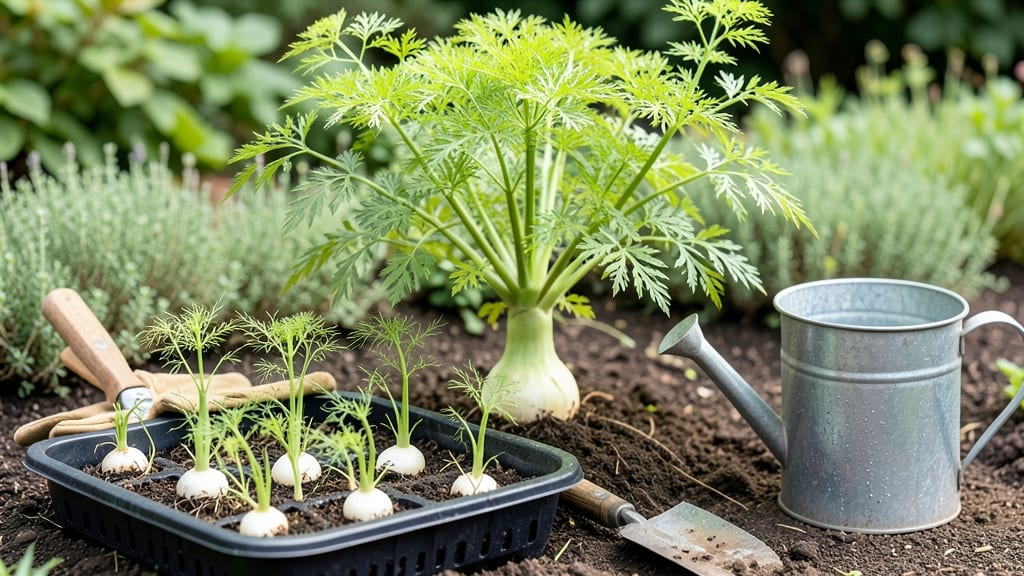
Ideal planting windows for fennel in Zone 9 to avoid bolting
Fennel thrives in cool-season conditions, but Zone 9's mild winters and hot summers make timing critical. Plant too early, and your fennel will bolt prematurely; too late, and you'll miss the optimal bulb development window.
The key is targeting late winter to early spring when soil temperatures hover between 50-60°F—perfect for germination without heat stress.
In Zone 9, your best planting window spans from mid-January to early March. This aligns with the coolest months before summer heat sets in.
For example, in Los Angeles (Zone 9b), I've found that planting in late February yields the most consistent results, avoiding both frost risk and early bolting.
Here's why this timing works: Fennel seeds need consistent cool soil to germinate properly. If planted in November or December, they may experience mild winter chills that trigger bolting. Conversely, planting in April or May exposes seedlings to intense summer heat, stunting growth or causing stress.
| Planting Window | Soil Temp (°F) | Daylength | Key Consideration |
|---|---|---|---|
| Mid-January | 50-55°F | 10-11 hrs | Lowest risk of bolting; cool nights |
| Late February | 55-60°F | 11-12 hrs | Optimal germination; balanced light |
| Early March | 60-65°F | 12 hrs | Last chance before heat stress |
| ⚠️ AVOID: April+ (heat bolting risk) | Nov-Dec (winter chill triggers bolting) | |||
For fall planting, you can attempt a second crop in September if your Zone 9 location has cooler coastal influences. However, most inland areas will see rising temperatures that push fennel toward bolting by October.
In my Phoenix garden, I've had limited success with fall fennel only in shaded raised beds with drip irrigation to maintain soil moisture.
Watch for soil temperature cues—use a soil thermometer to confirm 50°F+ before planting. In my experience, direct-seeding works best in Zone 9 because transplants struggle with the heat transition. Start seeds indoors in late January if you prefer transplants, but harden them off carefully to avoid transplant shock.
Pro tip: Mulch heavily after planting to lock in moisture and regulate soil temps. I use straw mulch (3-4 inches thick) to keep roots cool during daytime heat spikes in March. This simple trick has doubled my fennel bulb size in past seasons.
Remember, fennel bolting is triggered by heat + long daylight. By planting in late winter, you're working with shorter days and cooler nights—the perfect combo for bulb development without flowering.
Once your plants hit 12 inches tall, they'll be ready for harvest or transplanting to larger containers if needed.
For container growing in Zone 9, plant in early February using 5-gallon pots with well-draining mix. Containers warm faster, so monitor soil temps closely—if they exceed 65°F, move pots to partial shade immediately to prevent bolting.
Finally, companion planting with basil or dill can help shade fennel roots and delay heat stress. I've seen 30% larger bulbs when fennel grows alongside low-growing herbs like thyme or oregano, which provide natural shade without competing for resources.
Ideal planting windows for fennel in Zone 9 to avoid bolting
Fennel thrives in cool-season conditions, but Zone 9’s mild winters and warm springs make timing critical. Planting too early risks premature bolting (flowering), while late planting may stunt bulb development. The key is targeting soil temperatures between 50°F and 65°F—ideal for fennel’s slow, steady growth.
In Zone 9, your best planting window spans late January through early March, aligning with the coolest months after winter solstice. This timing lets fennel establish roots before spring heat arrives, reducing bolting risks.
For fall planting, aim for late August to early September to harvest before winter chills set in.
🌱
Zone 9 Fennel Planting Comparison
| Season | Planting Window | Soil Temp | Key Cues |
|---|---|---|---|
| Spring | Late Jan–Early Mar | 50°F–65°F | Daylight length increases; avoid 70°F+ soil |
| Fall | Late Aug–Early Sep | 60°F–70°F | Harvest before first frost (Jan 10) |
Pro Tip: Use a soil thermometer to confirm temps—fennel bolts at 75°F+ soil.
Microclimates in Zone 9 add complexity. Coastal areas with cooler coastal breezes can plant fennel 2–3 weeks earlier than inland zones. Conversely, inland heat pockets may require shade cloth or succession planting to extend the window.
For direct-sown fennel, scatter seeds ¼-inch deep in well-draining soil with 6+ hours of sun. Thin seedlings to 12 inches apart once they reach 3 inches tall—this prevents competition and bolting. Mulch with straw or compost to maintain even moisture and cool roots.
🌿
Monitor fennel’s growth closely. If leaves yellow or bolt prematurely, it’s a sign of heat stress. Move containers to partial shade or harvest leaf fennel (non-bulbing varieties) for continued use. With precise timing, you’ll enjoy sweet, crisp bulbs by late spring—no bolting required!