
Plants
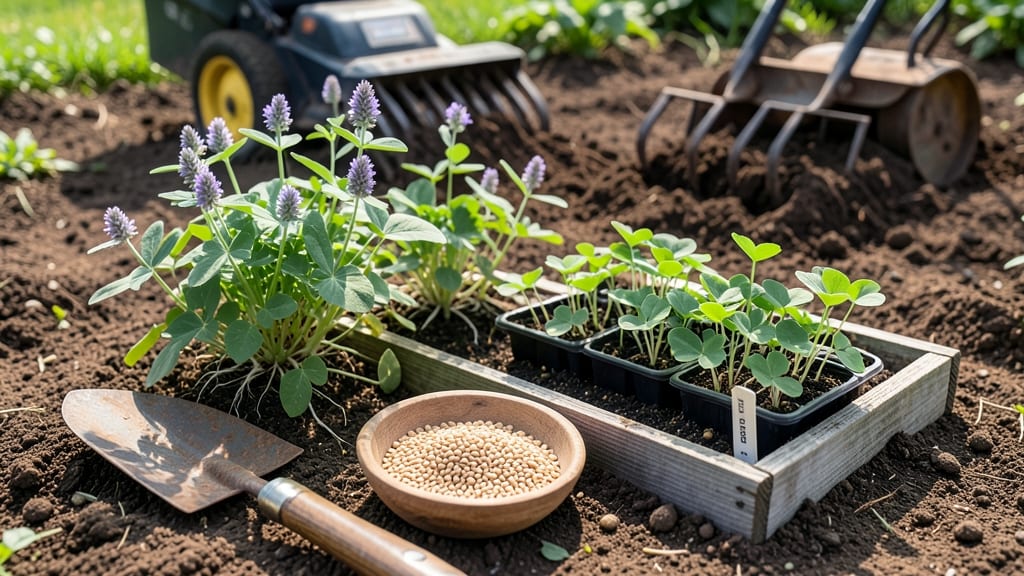
Timing your alfalfa planting in Kentucky right can mean the difference between a thriving forage crop and a costly misstep. With Kentucky’s varied microclimates—from the Bluegrass Region’s humidity to the Appalachian foothills’ cooler air—your optimal planting window might shift by weeks depending on where you live.
Most Kentucky gardeners aim for early spring, between March and April, when soil temperatures consistently hit 50°F and the last frost has passed (typically around March 15, but check your local zone).
But if you’re in USDA Zone 6b, like much of Eastern Kentucky, you might need to wait another week or two compared to Louisville’s Zone 7a.
Why does this matter? Alfalfa is a forage powerhouse, but it’s also finicky about timing. Plant too early, and frost will nip young shoots. Wait too long, and summer heat stress can stunt growth.
I’ll break down the exact frost-free windows for your microclimate, plus soil prep tips to give your 🌱 alfalfa the best start.
Whether you’re growing it for livestock feed or as a cover crop, getting the timing right is the key to a productive harvest. Let’s dive into the details so you can plant with confidence.
Kentucky’s ideal alfalfa planting window by USDA Zone (with frost risk charts)
Alfalfa thrives in Kentucky’s USDA Zones 6b-7a, but the exact planting window depends on your last frost date and soil temperature. For most of the state, aim to plant between mid-March and early April when soil reaches 50°F+.
This ensures seedlings emerge before late spring frosts (common in Eastern KY) while avoiding summer’s intense heat.
If you’re in Zone 7a (Western KY, Louisville area), you can push planting slightly earlier—late February to March—thanks to warmer microclimates. Conversely, Zone 6b (Lexington, Appalachian foothills) may need to wait until April 1-15 to avoid frost damage. Always check the UK Ag Weather forecasts for real-time updates.
For fall planting, late summer (around August 15-30) is your second chance, but seedlings must establish roots before first frost (typically November 1). This strategy works best in Zone 7a where summers linger longer.
Here’s a quick reference for Kentucky’s alfalfa planting windows by zone, including frost risk and soil prep tips:
| USDA Zone | Ideal Planting Window | Last Frost Risk | Soil Temp Threshold | Pro Tip |
|---|---|---|---|---|
| 6b (Lexington, Eastern KY) | April 1-15 | High (late April) | 50°F+ | Use row covers for early starts |
| 7a (Louisville, Western KY) | Late Feb-March | Low (early April) | 50°F+ | Plant earlier for faster growth |
| Both Zones (Fall Option) | August 15-30 | Moderate (Nov 1) | 60°F+ | Water deeply post-planting |
To test soil readiness, use a soil thermometer—alfalfa seeds won’t sprout below 50°F. If your soil is too cold, wait 1-2 weeks or use black plastic mulch to warm it faster. This is especially critical in Zone 6b, where early springs are common.
Once planted, maintain consistent moisture for the first 30 days. Alfalfa’s deep roots need 1 inch of water weekly, but avoid waterlogging—Kentucky’s clay soils drain poorly. A drip irrigation system works best for even coverage.
For maximum yield, rotate alfalfa fields every 3-4 years to prevent soil depletion and disease buildup. Pair it with clover or grasses for a living mulch that retains moisture and suppresses weeds.
Pro tip: If you’re planting for forage, aim for a 60-day establishment period before first harvest. For cover crop use, let it grow to 12+ inches before tilling under in fall.
🌱
How Kentucky’s microclimates shift alfalfa planting dates (and what to do about it)
Kentucky’s microclimates create dramatic differences in alfalfa planting success. For example, Louisville (Zone 7a) enjoys a 30-day earlier planting window than Eastern Kentucky’s Appalachian foothills (Zone 6b).
These shifts happen due to elevation changes, humidity levels, and even urban heat islands. Understanding these variations helps you avoid frost damage or wasted seed.
In Western KY (Zone 7a), like in Louisville, you can start alfalfa seeds as early as mid-February if soil temperatures stay above 50°F. Meanwhile, Eastern KY (Zone 6b) gardeners should wait until late March to match the same frost-free window.
The Bluegrass Region benefits from warmer springs, while mountainous areas face delayed planting due to lingering cold.
Here’s how to adjust your planting timeline based on Kentucky’s key regions:
| Region | USDA Zone | Ideal Planting Window | Key Adjustment |
|---|---|---|---|
| Louisville | 7a | Mid-February to early April | Urban heat island effect |
| Lexington | 6b | Late March to mid-April | Moderate elevation (1000 ft) |
| Eastern KY (Corbin) | 6b | Late March to early May | Higher elevation (1500+ ft) |
To pinpoint your exact planting window, check the UK Ag Weather station nearest you. These tools track soil temperatures and frost risk in real-time. For example, if your local station shows consistent 50°F+ soil temps by late February, you’re safe to plant in Zone 7a.
But if temps fluctuate below freezing, wait until mid-March.
Humidity also plays a role. Western KY’s higher humidity can delay soil warming, while Eastern KY’s drier air may speed up germination. Always plant when soil temps (not air temps) hit 50°F—use a soil thermometer for accuracy. This small tool saves you from frost-killed seedlings.
For late summer planting (August), aim for 60 days before first frost in your zone. In Zone 7a, this means early August, while Zone 6b should wait until mid-August. Always inoculate seeds with Rhizobium bacteria to ensure nitrogen fixation, especially in clay-heavy KY soils.
Pro tip: Use black plastic mulch in cooler zones to warm soil faster. This trick adds 2-3 weeks to your planting window—critical for Zone 6b gardeners. Just remove it before harvest to avoid residue.