
Plants
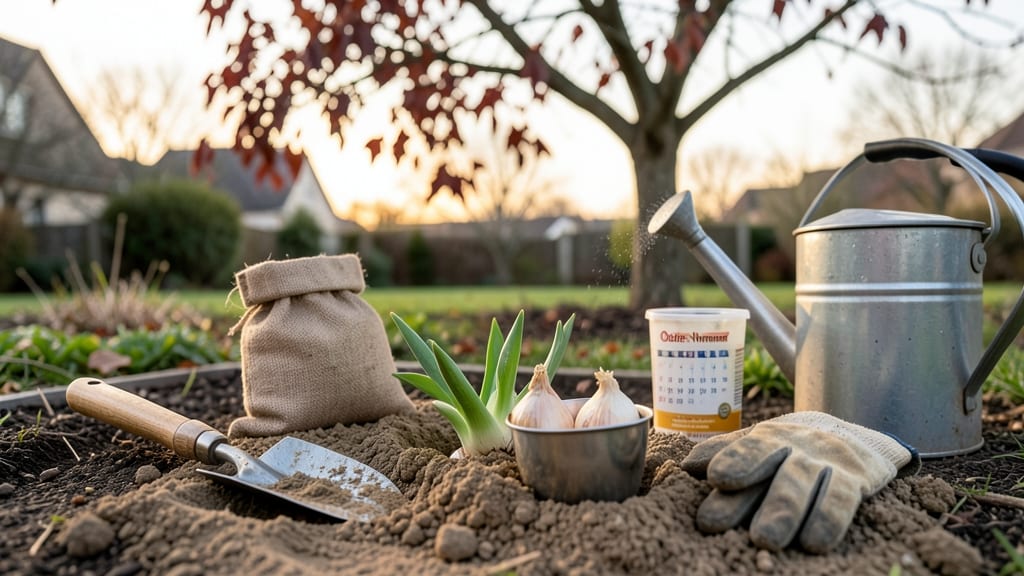
Timing your 🌷 tulip bulb planting in North Carolina can mean the difference between a stunning spring garden and wasted effort.
The key window—October through November—aligns perfectly with the state’s Zone 7a-8b climate, but even a few weeks off can leave your bulbs vulnerable to rot or frost damage.
Let’s cut through the guesswork: I’ll show you exactly when to plant in your specific zone, how to prep your soil for NC’s humid conditions, and the critical depth to protect bulbs from winter’s unpredictability.
Whether you’re in the cooler Piedmont or milder Coastal Plain, these steps will help you avoid common mistakes that derail tulip success.
You’ll also discover how to time your planting with first frost dates—because planting too late means bulbs won’t establish roots before winter sets in. Plus, I’ll share my go-to tips for mulching and drainage to keep your 🌷 tulips thriving through North Carolina’s variable weather.
Ready to transform your fall gardening into a spring spectacle? By the end, you’ll know not just when to plant, but how to set your tulips up for bold, healthy blooms—without the trial and error. Let’s get started.
North Carolina tulip planting deadlines by Zone 7a vs 7b
Timing is everything when planting tulip bulbs in North Carolina. The difference between Zone 7a (colder) and Zone 7b (milder) can mean the difference between vibrant spring blooms and wasted effort. Here’s your precise planting window to ensure your bulbs establish roots before winter’s chill sets in.
For Zone 7a (average first frost: mid-November), aim to plant bulbs between October 15th and November 1st. This gives them 4-6 weeks to root before the ground freezes.
In Zone 7b (average first frost: late November), you have slightly more flexibility, with a window from October 1st to November 15th.
Soil temperature is your best guide. Tulip bulbs need 60°F soil to start growing, but they’ll tolerate cooler temps once planted. Use a soil thermometer to confirm readiness—if temps drop below 50°F, bulbs may rot before rooting.
Missed the window? Don’t despair. You can plant as late as December 1st in Zone 7b, but expect smaller blooms or delayed emergence. In Zone 7a, late planting risks frost damage before roots establish.
🌷 North Carolina Tulip Planting Deadlines
| Zone | Ideal Planting Window | Last-Chance Date | Soil Temp Threshold | First Frost Avg. |
|---|---|---|---|---|
| 7a (Colder) | October 15 – November 1 | November 15 | 60°F (15°C) | Mid-November |
| 7b (Milder) | October 1 – November 15 | December 1 | 60°F (15°C) | Late November |
*Adjust for microclimates: Coastal areas may extend windows by 1-2 weeks.
Why does timing matter? Tulip bulbs need 4-6 weeks to develop roots before winter dormancy. Plant too early, and they’ll rot in wet soil; too late, and they won’t anchor before frost. Aim for 6-8 weeks before your area’s average first frost date.
Pro tip: Use a planting calendar or local frost data from the NC State Climate Office. For example, Asheville (Zone 7a) freezes earlier than Raleigh (Zone 7b), so adjust accordingly. Check soil moisture too—bulbs need well-draining soil to avoid rot.
For spring-blooming tulips, focus on fall planting. Bulbs stored in your garage or basement won’t perform as well as those planted in the ground, where natural temperature fluctuations encourage root growth.
If you’re unsure about your zone, err on the earlier side—bulbs planted in October often yield the most robust blooms.
Remember: Tulips are perennial in NC’s climate, but they multiply best with proper fall planting. Skimp on timing, and you’ll sacrifice next year’s flowers. With the right schedule, your garden will burst with color by April or May.
Need a backup plan? Some gardeners plant bulbs in containers for flexibility, but ground planting is ideal for long-term success. Once established, tulips return year after year with minimal care—just sun, soil, and patience.
5 Critical factors that determine your tulip planting window
North Carolina’s USDA Zones 7a and 7b create unique challenges for tulip planting. Unlike cooler climates, your soil temperature and first frost dates shift dramatically between the Piedmont and Coastal Plain. Here are the 5 key factors that dictate your exact planting window:
First, soil temperature must drop below 60°F (15°C) for 2-3 weeks before planting. In Zone 7a, this typically happens by mid-October, while Zone 7b may wait until late October or early November. Use a soil thermometer to confirm—planting too soon in warm soil accelerates bulb rot.
Next, first frost dates vary wildly: Asheville’s Zone 7a averages November 15, while Wilmington’s Zone 7b might not freeze until December 10. Aim to plant 6-8 weeks before your area’s first hard frost to allow roots to establish before winter dormancy.
Bulb variety also plays a role. Early bloomers like ‘Darwin Hybrid’ tulips need planting by October 15 in Zone 7a, while late varieties like ‘Fosteriana’ can wait until mid-November. Check your bulb packaging for specific recommendations—some varieties are bred for shorter growing seasons.
Don’t overlook local microclimates. A south-facing slope warms faster than a north-facing yard, potentially extending your planting window by 2-3 weeks. Even urban areas with pavement heat up differently than rural fields. Observe your garden’s unique conditions for 2-3 years to refine your timing.
Finally, bulb quality impacts timing. Pre-cooled bulbs (labeled for North America) are ready to plant immediately, while untreated bulbs may need 4-6 weeks of chilling in your fridge before going into the ground. This is especially critical if you’re planting in December—your last-chance month.
🌱
To verify your zone’s readiness, grab a free NC frost date map from the NC State Extension and cross-reference with your local weather station’s soil temperature trends. Pro tip: Bookmark the NC Gardener Planting Calendar—it updates annually with precise county-by-county deadlines.
Once you’ve nailed these factors, your tulips will establish strong roots before winter, ensuring vibrant blooms next spring—even in NC’s humid climate. The key is acting when soil cools but frost hasn’t arrived.
🌿