
Plants
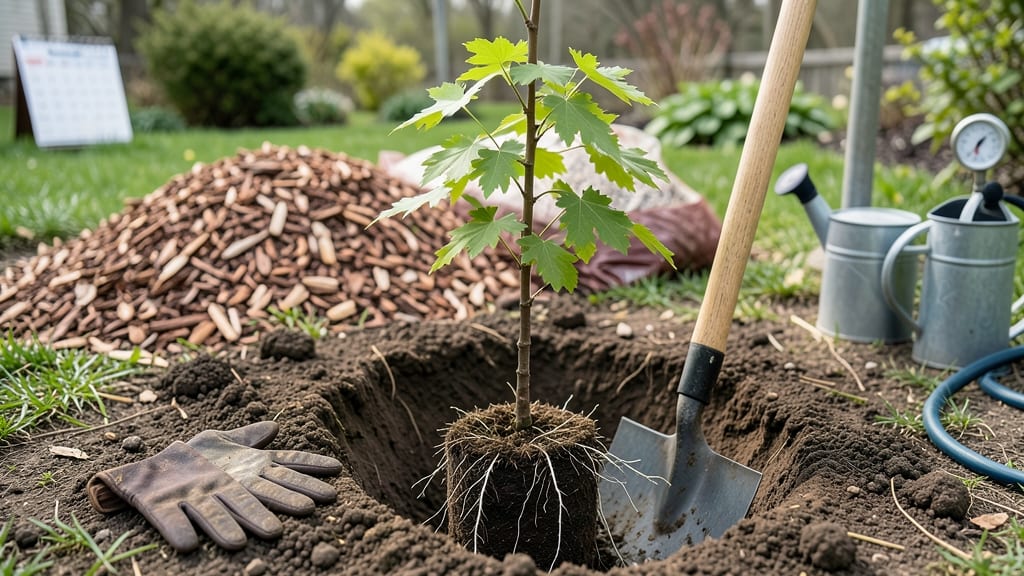
Best planting months for trees by u.s. climate zone
Timing your tree planting is just as important as choosing the right species. Planting at the wrong time can stress young roots, leading to stunted growth or even death.
The best window depends on your USDA hardiness zone, but most regions follow a simple rule: early spring or fall when soil is workable but not frozen. Let’s break down the ideal months for each zone to maximize survival rates.
For USDA zones 3-5 (cold climates like Minnesota or upstate New York), aim for late April to early June or September to mid-October. These zones experience harsh winters, so planting in early spring lets roots establish before summer heat arrives, while fall planting avoids winter dormancy stress.
In zones 6-8 (Midwest, Southeast), your window expands slightly to March-April or September-November.
Warmer zones like 9-11 (Florida, California coasts) have more flexibility. Here, winter planting (December-February) is ideal to avoid summer drought, while fall planting (October-November) works too. Evergreen trees in these zones can even be planted in early spring (February-March) if you’re in a mild microclimate.
🌱
| USDA Zone | Best Planting Window | Key Considerations |
|---|---|---|
| 3-5 | Late April–Early June September–Mid-October |
Avoid frost; soil must thaw. Fall planting allows root growth before winter. |
| 6-8 | March–April September–November |
Spring planting avoids summer drought; fall planting ends before hard frost. |
| 9-11 | December–February October–November |
Winter planting avoids summer heat; evergreens tolerate cooler temps. |
Deciduous trees like maples or oaks thrive when planted in bare root form during dormancy, typically late fall to early spring. Evergreens, such as pines or spruces, prefer cooler months (fall or winter) to reduce water stress.
Container-grown trees offer more flexibility, allowing planting almost year-round in mild zones, but always avoid extreme heat or frost.
Pro tip: Check your last frost date and first frost date for your area. Planting 4-6 weeks before the first frost in fall gives roots time to establish before winter dormancy. In spring, wait until 2 weeks after the last frost to ensure roots aren’t shocked by cold snaps.
Soil temperature is another critical factor. Use a soil thermometer to confirm temps are above 40°F (4°C) for most tree species. Cooler soil slows root growth, while overly warm soil can dry out roots quickly. In arid climates (zones 7b-9a), planting in late fall takes advantage of winter moisture.
For bare-root trees, the window is narrower—aim for dormant seasons (late fall to early spring). These trees have exposed roots, which dry out quickly in warm or windy conditions. Container-grown trees, on the other hand, adapt better to off-season planting if soil isn’t frozen or baked.
🌿
Regional examples highlight why timing matters. In Zone 5 (Chicago), planting a red oak in May risks summer drought, while September planting gives roots 2 months to settle before winter.
In Zone 10 (Miami), winter planting (January) avoids hurricane season and summer heat stress. Always align your planting with your local climate’s rainfall patterns and temperature swings.
Finally, consider tree size and maturity. Smaller trees (under 6 feet) establish faster and can handle slightly off-season planting, while larger trees (> 15 feet) need perfect timing to avoid transplant shock. Always prioritize root health over convenience—your tree’s long-term success depends on it.
Critical factors that determine tree planting success
Timing isn't the only factor—soil temperature, rainfall patterns, and frost dates play equally critical roles in your tree's survival. Even the best planting month can fail if these conditions aren't right.
For example, planting too early in spring risks frost damage to tender roots, while fall planting requires enough time for root establishment before winter dormancy.
Use USDA hardiness zone maps to verify your local frost dates. In Zone 5-7, aim for 4-6 weeks before first frost—typically mid-September to early October.
In warmer Zones 8-10, winter planting (December-January) works for drought-tolerant species like olive trees or palms, but avoid heavy rainfall periods to prevent waterlogged soil.
Soil temperature matters just as much as air temperature. Bare-root trees thrive when soil stays above 40°F (4°C)—use a soil thermometer to check before planting. Container-grown trees are more flexible but still need warm soil and moderate moisture to avoid transplant shock.
Pro tip: Mulch heavily (3-4 inches) to regulate soil temperature and retain moisture.
Rainfall is another wild card. Drought-stressed trees planted during dry spells often struggle to establish roots. In arid climates, schedule planting for spring rains or use drip irrigation for the first 3 months.
Conversely, saturated soils in rainy seasons can suffocate roots—amend clay-heavy soil with compost or sand to improve drainage.
⚠️ Common Mistakes to Avoid
- Planting too late in fall: Roots won’t harden before frost.
- Ignoring soil temperature: Cold soil slows root growth.
- Skipping mulch: Exposed roots dry out or freeze.
- Overwatering at planting: Causes root rot in heavy clay.
Always check local frost dates and soil conditions before digging!
For bare-root trees, plant within 24-48 hours of purchase to prevent root desiccation. Soak roots in water or rooting hormone before backfilling. Container-grown trees can wait slightly longer but still need prompt planting to avoid root circling.
Gently tease apart roots if you see a dense root ball—this encourages outward growth.
Finally, tree species dictate flexibility. Deciduous trees (like maples or oaks) handle fall planting best, while evergreens (like pines or spruces) prefer early spring. Always research your specific tree’s needs—some, like fruit trees, require chilling hours that affect planting windows.