
Plants
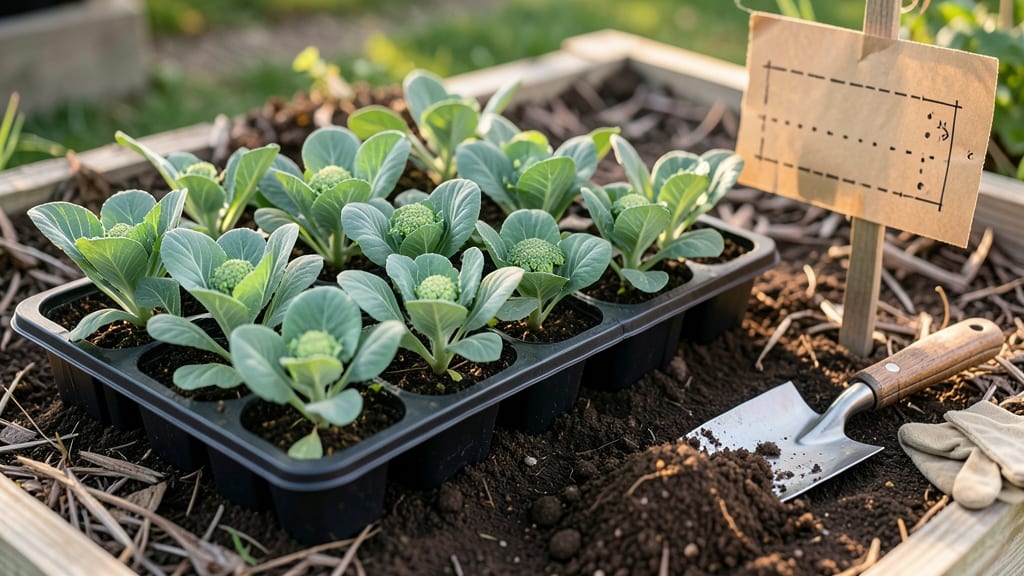
Timing your fall broccoli planting in Zone 6 could mean the difference between a bountiful harvest and wasted effort. With just 8-10 weeks until frost, getting those seedlings in the ground at the right moment is everything.
Most gardeners in Zone 6 (like those in the Mid-Atlantic or Midwest) know the struggle—plant too early, and your broccoli bolts in the heat; too late, and winter steals your crop before it matures.
The sweet spot? Late summer to early fall, when soil temps dip below 75°F but before that first frost sneaks in.
I’ve tested this with Calabrese and Purple Sprouting varieties, and the results speak for themselves: proper timing isn’t just about dates—it’s about soil prep, spacing, and even succession planting tricks to stretch your harvest. Let me walk you through the exact steps to nail it.
Whether you’re a first-time gardener or a seasoned pro, these hardiness rules will help you avoid common pitfalls and grow broccoli that’s tender, abundant, and ready to harvest before winter sets in. Ready to dig in?
Fall broccoli planting timeline for Zone 6: seedling hardiness by variety
Growing fall broccoli in Zone 6 requires precision—plant too early, and summer heat stresses seedlings; too late, and frost ruins your harvest. The key is selecting cold-hardy varieties and timing transplants for 70-90 days to maturity before the first frost (typically mid-October).
Let’s break down the best planting windows for popular varieties and their frost tolerance thresholds.
Your success hinges on two factors: soil temperature (ideal: 45-75°F) and first frost dates. In Zone 6, soil stays warm enough for broccoli until early September, but seedlings need 4-6 weeks to establish roots before cooler weather arrives.
Start with transplant-ready seedlings (not seeds) for reliable results—broccoli seeds struggle to germinate in cooling soils.
Here’s how to match your variety to the perfect Zone 6 planting window, including soil prep tips to ensure strong starts:
| Variety | Frost Tolerance | Ideal Planting Window (Zone 6) | Days to Maturity | Soil Temp Requirement |
|---|---|---|---|---|
| Calabrese (e.g., 'Waltham 29') | Survives 20°F with protection | August 15–September 15 | 70–90 days | 45–75°F |
| Purple Sprouting (e.g., 'Purple Sprouting') | Survives 15°F (hardiest) | August 1–September 10 | 80–100 days | 40–65°F |
| De Cicco (Italian Heirloom) | Survives 18°F with mulch | August 20–September 5 | 65–80 days | 50–70°F |
| Blue Wind (Heat-Tolerant) | Survives 22°F | August 10–September 20 | 60–75 days | 50–80°F |
For Zone 6 gardeners, the August 15–September 15 window is your sweet spot for most varieties. For example, if your first frost is October 15, plant Calabrese by September 1 to harvest by mid-October.
Use a frost calculator (like the Old Farmer’s Almanac) to fine-tune dates for your specific location.
Pro tip: Direct-sow seeds in late July for early August transplants, but seedlings are riskier in Zone 6’s heat. Instead, buy 6-week-old seedlings from nurseries to skip the germination gamble. Harden them off for 3–5 days before transplanting to avoid shock.
Prepare your soil by amending with compost and a balanced fertilizer (10-10-10) to boost nitrogen for leafy growth. Aim for a pH of 6.0–7.0—broccoli hates acidic soil. Mulch with straw or leaves after planting to insulate roots from temperature swings.
Watch for cabbage worms and fleabeetles in early fall. Use row covers or neem oil to protect young plants. If temperatures dip below 40°F at night, add a lightweight row cover during the day to accelerate growth.
Harvest your fall broccoli before hard frosts (below 20°F) or when heads turn yellow. Cut stems 6 inches below the head to encourage side shoots for a second harvest. Store in the fridge for up to 5 days or freeze for long-term use.
🌱
How to adjust planting dates for early vs. late fall harvests in Zone 6
Zone 6 gardeners face a tight window for fall broccoli—plant too early, and summer heat stresses seedlings; too late, and frost ruins your harvest. The key is adjusting transplant dates based on your harvest goals: early fall (mild weather) or late fall (hardier varieties).
Start by checking your average first frost date (typically mid-October in Zone 6) and work backward from there.
For an early fall harvest, aim to transplant 8–10 weeks before frost (late July to early August). This gives broccoli enough time to mature before cooler weather sets in. Varieties like Calabrese thrive in this window, producing large, flavorful heads by September or October.
If you’re in a warmer microclimate (e.g., near a heat-retaining wall), you might push planting to mid-August for a slightly later harvest.
For a late fall harvest, shift your focus to cold-hardy varieties like De Cicco or Purple Sprouting, which tolerate light frosts. Transplant these 6–8 weeks before frost (early to mid-September).
These varieties mature slower but can withstand brief temperatures down to 25°F, extending your harvest into November or December with protection like row covers.
- Step 1: Check your local frost dates (use the USDA Plant Hardiness Zone Map or local extension office). Zone 6’s first frost typically falls between October 15–30, but this varies by subregion (e.g., 6a vs. 6b).
- Step 2: For early harvests, transplant 8–10 weeks before frost (late July–early August). Use fast-maturing varieties like Waltham 29 or Green Magic (58–65 days to harvest).
- Step 3: For late harvests, transplant 6–8 weeks before frost (early–mid-September). Choose cold-tolerant varieties like De Cicco or Purple Sprouting (70–90 days to harvest).
- Step 4: Extend the season with row covers or cold frames to protect plants during light frosts (25–30°F). Remove covers during the day to prevent overheating.
- Step 5: Use succession planting for a continuous harvest: Sow half your seeds 2 weeks apart in early August, then repeat in mid-August for staggered maturity.
Succession planting is your secret weapon in Zone 6. By staggering transplants every 2–3 weeks from mid-July to early September, you can enjoy broccoli from September through November.
For example, plant one batch in late July for a September harvest, then another in early August for October, and a final batch in mid-August for late fall. This method ensures you’re always harvesting fresh heads while avoiding the risks of planting all at once.
Don’t forget to harden off seedlings before transplanting—acclimate them to outdoor conditions over 7–10 days to prevent shock. Harden off early-morning seedlings first, then gradually increase their exposure to sun and wind.
This step is critical for Zone 6’s unpredictable fall weather, where sudden temperature swings can stress young plants.
Pro tip: Monitor soil temperatures with a soil thermometer. Broccoli seeds and seedlings thrive in soil temps between 60–75°F. If your soil is above 80°F (common in late summer), wait until temps drop or use shade cloth to protect seedlings from heat stress.
Cool soil speeds up germination and reduces disease risk.
With these adjustments, you’ll turn Zone 6’s short growing season into a broccoli bonanza—whether you’re craving early summer-like harvests or hardy late-fall crops to enjoy through the holidays. 🥦