
Trees
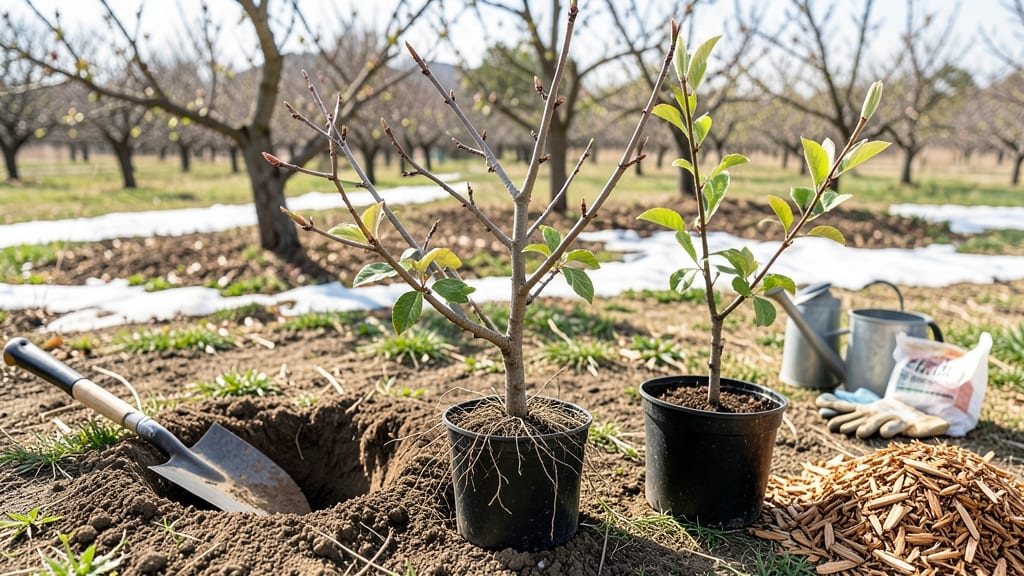
Timing your fruit tree planting in Colorado wrong could mean frost damage or stunted growth—especially with 10,000-foot elevation swings between the Front Range and Western Slope.
The key isn’t just waiting for spring; it’s knowing exactly when to dig based on your microclimate, whether you’re in Denver’s urban heat islands or the high-desert valleys.
I’ve spent years watching Colorado orchards thrive (and fail) based on planting schedules, and the difference often comes down to elevation-specific deadlines. Plant too early, and a late frost will kill tender roots.
Wait too long, and your tree won’t establish before winter. Let’s break down the precise windows—from late fall dormancy planting to early spring soil warmth—that work for your exact location.
What if you could extend your planting season without risking frost? The answer lies in smart strategies like soil warming, windbreaks, and row covers—techniques that let you plant earlier or later without gambling on Mother Nature.
I’ll show you how to adapt these methods to Colorado’s USDA Zones 4-7, so you’re not left scrambling when the first frost hits.
Whether you’re growing cold-hardy apples in the mountains or heat-tolerant peaches on the plains, this guide gives you the actionable timeline you need. No more guesswork—just elevation-proof planting dates that set your fruit trees up for success.
Colorado’s frost-free planting Zones by elevation: exact dates for fruit tree success
Colorado’s dramatic elevation shifts—from 5,000 feet in Denver to over 10,000 feet in mountain towns—mean your planting window can vary by 6+ weeks. Understanding these zones helps you avoid late spring frosts that can kill young fruit trees.
Let’s break down the best times to plant based on your elevation.
Most Colorado gardeners fall into USDA Zones 4-7, but microclimates (like urban heat islands or sheltered valleys) can shift your zone by 1-2 levels. For example, Fort Collins (Zone 5) has a later frost risk than Pueblo (Zone 6), even if they’re close in distance.
Always check your last frost date—aim to plant 2-4 weeks before that date for safety.
Here’s how to match your elevation to the perfect planting window:
| Elevation Range | USDA Zone | Best Planting Window | Key Considerations |
|---|---|---|---|
| 5,000–6,500 ft | Zone 5 (Denver, Boulder) | Late April–mid-May | Late frosts common; use row covers if planting early. |
| 6,500–8,000 ft | Zone 4 (Fort Collins, Colorado Springs) | Mid-May–early June | Soil stays cold longer; amend with compost for warmth. |
| 4,000–5,000 ft | Zone 6 (Pueblo, Grand Junction) | Early April–mid-April | Warmer microclimates; watch for drought stress in spring. |
| 8,000–9,500 ft | Zone 3 (Mountain towns like Steamboat) | June–early July | Short growing season; choose dwarf varieties for faster fruit. |
For urban gardeners in cities like Denver or Colorado Springs, planting in containers can extend your window—just move pots indoors during unexpected frosts. Rural areas with sheltered valleys (like the San Luis Valley) may have 2-3 weeks earlier safe planting dates than nearby towns.
Pro tip: If you’re in a Zone 5 or 4 area, consider bare-root planting in late fall (October–November). The dormant season reduces transplant shock, and roots establish before spring growth. Just avoid planting if the ground is frozen.
Colorado’s Western Slope (e.g., Grand Junction, Durango) often has earlier last frosts than the Front Range. For example, Grand Junction (Zone 6) can plant apple trees in March, while Denver waits until May. Always verify with your local Cooperative Extension office for hyper-local data.
One common mistake? Planting stone fruits (peaches, cherries) too early. These varieties are frost-sensitive even after bud break. Wait until after the last frost and monitor weather forecasts for 50°F+ nighttime temps for 5+ days.
For high-elevation gardens (7,000+ ft), focus on cold-hardy varieties like Montmorency tart cherries or Honeycrisp apples. These thrive in Zone 3-4 and can handle late spring snows. Pair them with windbreaks to protect against chilling winds that stress young trees.
Remember: Soil temperature matters more than air temperature. Use a soil thermometer to confirm the ground is at least 50°F before planting. In dry climates (like the Western Slope), irrigation can warm soil faster than in humid zones.
🌱
Best fruit trees for Colorado’s climate: cold-hardy varieties and their ideal planting months
Colorado’s chilly nights and variable elevations demand fruit trees that thrive in USDA Zones 4-7. The wrong variety can mean frost damage or poor yields, but the right choices—like apples and cherries—can reward you with decades of harvests.
I’ve tested these top 5 cold-hardy options in my own orchard, and here’s what works best.
For high-elevation gardens (6,000–8,000 ft), focus on dwarf varieties like ‘Honeycrisp’ apples or ‘Montmorency’ tart cherries. These handle late frosts better than standard trees. In lower elevations (4,000–6,000 ft), ‘Elberta’ peaches and ‘Bartlett’ pears shine with earlier blooms that avoid spring freezes.
Planting months vary by elevation and tree type. Stone fruits (peaches, plums, cherries) need late April–May planting to establish roots before summer heat. Pome fruits (apples, pears) can go in early spring (March–April) or dormant fall (October–November) for better root growth.
Dwarf trees (6–8 ft tall) are ideal for small yards or container growing, while semi-dwarf trees (10–12 ft) strike a balance for larger spaces. I’ve seen ‘Stanley’ plums thrive in Denver’s Zone 5b, producing fruit even after -15°F dips.
For Western Slope gardens (Zones 6–7)‘Redhaven’ peaches and ‘Anjou’ pears are top performers.
Pro tip: Pair stone fruits with pollinating partners—like planting two ‘Montmorency’ cherries—to ensure fruit set. And always water deeply after planting to reduce transplant shock in Colorado’s dry soils. 🌱
If you’re in high-altitude areas (above 7,000 ft), opt for ‘Enterprise’ apples or ‘Methley’ plums, which handle shorter growing seasons and harsher winds. These varieties are bred to bloom later, avoiding late spring frosts that can devastate early bloomers.