
Plants
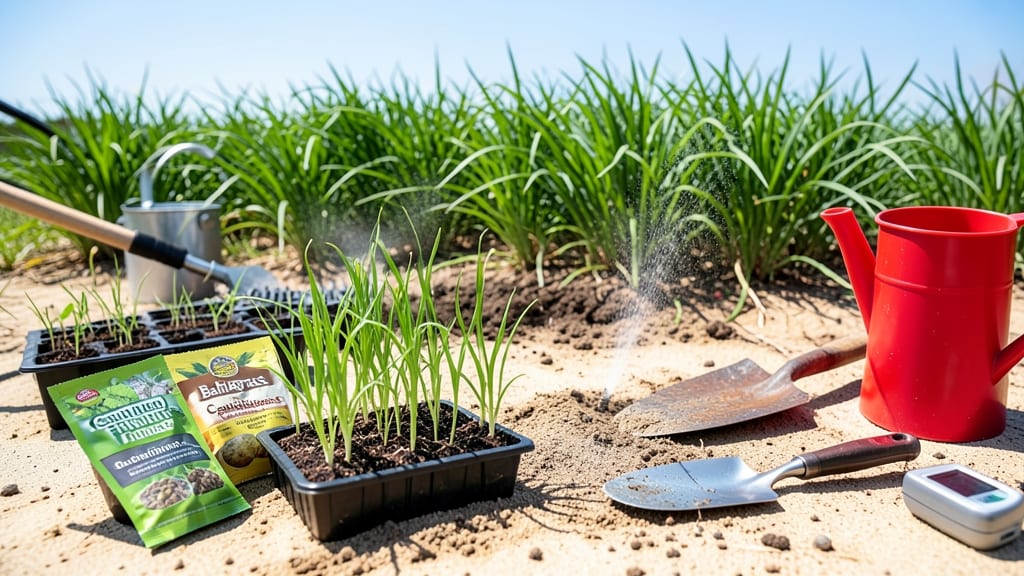
The best time to plant grass seed in Florida isn’t just about picking a season—it’s about outsmarting your local climate. Whether you’re battling coastal humidity or inland heat, getting the timing right means the difference between a lush lawn and months of patchy frustration.
Florida’s year-round growing season gives you flexibility, but late summer/fall and spring are your sweet spots for fast root establishment.
Here’s the catch: Coastal areas like Miami thrive with August-September planting, while inland regions near Orlando or Tampa often prefer March-April to avoid summer’s brutal sun. The key?
Plant when temperatures hover between 70-85°F and rainfall is reliable—no guessing games. I’ll break down the exact windows for your microclimate so you can skip the trial-and-error phase.
Why does this matter? Because planting at the wrong time means wasted seed, slow germination, and a lawn that struggles to hold up against Florida’s intense sun and humidity. We’re talking about 30-60 days of careful prep and maintenance—time you don’t want to spend fixing mistakes.
Let’s cut to the chase: the right timing saves you money, effort, and the headache of a lawn that never quite takes.
Ready to lock in the perfect window for your Florida lawn? I’ll walk you through soil prep, seed selection, and post-planting care tailored to your region—so your grass seed doesn’t just survive, it thrives. Let’s get started.
Florida’s optimal grass seed planting windows: coastal vs inland timing guide
Florida’s climate isn’t one-size-fits-all when it comes to planting grass seed. The coastal regions (like Miami and Fort Lauderdale) have higher humidity and warmer winters, while inland areas (Orlando, Tampa) experience hotter summers and drier conditions.
These differences mean your planting timeline should shift based on where you live in the state.
For coastal Florida, the best time to plant grass seed is August through October or March through April. The fall window avoids summer’s brutal heat, while spring gives seeds time to establish before summer stress.
Inland areas, however, should focus on late summer (August-September) or early spring (March-April) to avoid the extreme heat of peak summer.
Timing matters because grass seed needs consistent moisture and moderate temperatures (between 70°F and 85°F) to germinate. Planting in Florida’s peak heat (June-July) can lead to dormant seeds or fungal issues from excess humidity.
Conversely, planting too late in fall or winter risks slow growth or seed washout from heavy rains.
🌱 Did You Know? Florida’s USDA Zones 8a-11 mean frost is rare, but coastal areas stay warmer year-round. Inland zones (like Zone 9a) can still see heatwaves over 100°F, making late summer the safest window for seed establishment.
| Factor | Coastal Florida (South) | Inland Florida (North/Central) |
|---|---|---|
| Best Planting Months | August–October, March–April | Late August–September, March–April |
| Ideal Soil Temp | 75°F–85°F | 70°F–80°F |
| Rainfall Risk | High (hurricane season) | Moderate (dry season) |
| Humidity Levels | 80%+ (fungal risk) | 60–75% (drier) |
| Avoid Planting | June–July (heat), December (rains) | May–July (heat), November (cool) |
| Grass Types | St. Augustine, Zoysia | Bahiagrass, Centipede |
If you’re in South Florida, prioritize early fall (September-October) to beat the hurricane season rains and summer heat. For Central/North Florida, late summer (August-September) is ideal because it allows roots to establish before the cooling trend of late fall.
Avoid planting in peak summer—even shade-loving grasses like St. Augustine struggle when temperatures exceed 90°F.
Another key factor is rainfall patterns. Coastal areas face heavy rains from June–October, which can wash out seeds or cause fungal diseases. Inland regions have drier summers, making irrigation critical during seed establishment.
Always check the 7-day forecast before planting—aim for light, consistent rain (not downpours) in the first 2 weeks after sowing.
For fastest germination, target soil temperatures of 75°F–85°F. Use a soil thermometer to monitor—cooler soils (65°F) slow growth, while hotter soils (> 90°F) can kill seeds.
In North Florida, March planting gives seeds time to root before summer, while South Florida gardeners can extend planting into early November due to milder winters.
Pro tip: If you miss the ideal windows, spring planting (March-April) is your backup. Just be prepared for more frequent watering and weed competition as temperatures rise. The key is consistency—whether you’re in Miami or Orlando, your grass seed needs steady moisture and moderate temps to thrive.
Remember, Florida’s microclimates mean what works for a coastal lawn in Key West might fail in Gainesville. Tailor your timing to your local conditions, and your grass will reward you with a thick, lush turf all year.
Florida’s optimal grass seed planting windows: coastal vs inland timing guide
Florida’s climate isn’t one-size-fits-all—coastal areas like Miami and Tampa have high humidity and warmer winters, while inland zones (e.g., Orlando or Gainesville) face hotter summers and drier air. These differences mean your best planting window depends on where you live.
For coastal Florida, aim for late summer to early fall (August–October), when temperatures hover around 80–85°F and afternoon rains are frequent. Inland areas thrive with spring planting (March–May) or early fall (September–October), avoiding the peak summer heat that can bake seeds before they sprout.
Why does timing matter so much? Grass seed needs consistent moisture and moderate temperatures to germinate—below 65°F or above 90°F slows growth. Coastal regions also contend with hurricane season (June–November), so planting too late risks seed washout.
Inland zones must dodge wildfire risks in late summer, making early fall the safer bet. Let’s break down the ideal months and temperature thresholds for each microclimate to ensure your grass establishes strong roots before summer stress hits.
| Factor | Coastal Florida (e.g., Miami, Tampa) | Inland Florida (e.g., Orlando, Gainesville) |
|---|---|---|
| Best Planting Window | Late summer–early fall (August–October) | Spring (March–May) or early fall (September–October) |
| Ideal Soil Temp | 75–85°F (daytime) | 70–80°F (daytime) |
| Rainfall Pattern | Frequent afternoon showers (natural watering) | Less rain; rely on irrigation |
| Avoid Planting When | Hurricane season (June–November) | Summer heat waves (June–August) |
| Grass Types Best Suited | St. Augustine, Zoysia, Centipede | Bahiagrass, Centipede, Bermuda |
For coastal Florida, September is often the golden month—temperatures are still warm, but humidity drops slightly, and rain provides natural hydration. If you’re inland, April offers the perfect balance: soil warms up, but evaporation rates are lower than in summer. Pro tip: Check the 7-day forecast before planting.
Aim for 3–4 days of dry weather post-planting to let seeds make contact with soil without washing away. Coastal gardeners should also monitor tropical storm alerts—if heavy rain is predicted within 48 hours of planting, delay until conditions stabilize.
Temperature is your biggest ally or enemy. Grass seed germinates best when soil temps are between 65–85°F. Use a soil thermometer (available at garden centers for ~$10) to check depth—ideal temps are 1–2 inches below the surface.
Inland areas may need to water soil pre-planting to raise temps if it’s unusually cool. Coastal zones, meanwhile, might face overnight temps dropping below 70°F in late fall, which can stunt growth.
If you’re in North Florida (e.g., Jacksonville), consider winter-hardy grasses like Centipede or Bahiagrass, which tolerate cooler snaps better than tropical varieties.
Don’t overlook microclimates within your yard. A shady spot under oak trees may stay cooler and moister, delaying your planting window by 2–4 weeks compared to sunny patches.
Test a small area first: sprinkle a handful of seed in a 6-inch circle, cover lightly with soil, and observe germination in 7–10 days. If it thrives, proceed with full planting; if not, wait another 2 weeks or adjust your watering schedule.
Remember, Florida’s growing season is long, but timing is everything to avoid patchy, slow-growing grass that struggles to compete with weeds.
Once you’ve nailed the timing, focus on post-planting care. For the first 2 weeks, water daily in the morning (before 9 AM) to prevent fungal issues.
Coastal areas can reduce watering slightly after 2 weeks thanks to natural rain, while inland zones may need deep watering every 2–3 days. Apply a light layer of mulch (like straw) to retain moisture and protect seeds from bird foraging. With the right