
Plants
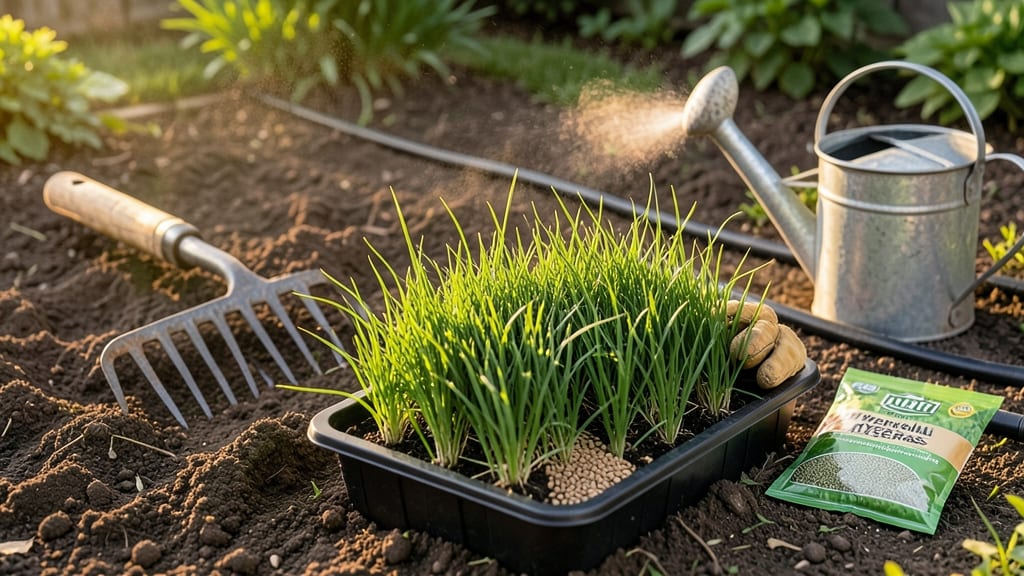
The best time to plant grass in Michigan isn’t just a guess—it’s a calculated window that separates a lush, year-round lawn from a patchy, weed-infested mess. With Michigan’s 5b-6b hardiness zones and unpredictable frost patterns, getting the timing wrong means battling frost damage, drought stress, or even winter kill. But nail it, and you’ll enjoy vibrant 🌱 grass that thrives through summer heat and survives harsh winters with minimal effort.
Most Michigan gardeners swear by two ideal planting periods: early spring (just after the last frost) and early fall (before the first frost). Why? Because these windows give grass roots 4-6 weeks to establish before extreme temperatures hit.
In the Upper Peninsula (Zones 4-5), you’ll need to wait until mid-May, while Southern Michigan (Zones 6-7) can start as early as late March. The key is soil temperature—wait until it consistently stays above 55°F.
Here’s the game-changer: fall planting often outperforms spring in Michigan’s climate. Why? Cooler temperatures reduce stress, and roots grow strong before winter dormancy. But timing is critical—aim for September to early October in most regions. Miss this window, and you risk weak growth before frost sets in.
I’ll break down the exact deadlines for your zone and share Michigan State University’s proven prep steps to ensure your grass takes root like a pro.
Ready to transform your lawn? Let’s dive into the spring vs. fall deadlines by zone, plus the critical mistakes Michigan homeowners make—and how to avoid them. Spoiler: It’s not just about when you plant, but how you prep the soil and choose your grass type. Let’s get started.
Michigan’s ideal grass planting windows: spring vs fall deadlines by hardiness zone
Michigan’s climate demands precision when planting grass—whether you’re in the Upper Peninsula or Southern Lower Peninsula, timing directly impacts your lawn’s survival. Cool-season grasses thrive in Michigan, but soil temperatures and frost dates vary dramatically across the state.
Plant too early, and frost will kill tender seedlings; too late, and weeds will steal your plot. Let’s break down the optimal planting windows by zone and season.
For most of Michigan, early fall (September to early October) is the gold standard for grass planting. Cooler air and warm soil create perfect conditions for root establishment before winter.
However, spring planting (March to early May) works if you act quickly—just watch for late frosts, which can be brutal. Michigan’s USDA Zones 4-7 mean your local weather station is your best friend for exact dates.
Here’s how to align your planting with Michigan’s three distinct regions, including soil temperature thresholds and last-frost averages. Use this as your roadmap to avoid common timing mistakes that derail lawns before they even start.
| Region | USDA Zone | Spring Planting Window | Fall Planting Window | Soil Temp Threshold | Last Frost Date |
|---|---|---|---|---|---|
| Upper Peninsula | 4b-5a | Late April–May 15 | Mid-Sept–Oct 1 | 50°F+ (10°C+) | May 10–20 |
| Northern Lower Peninsula | 5b-6a | Early April–May 1 | Late Aug–Sept 30 | 55°F+ (13°C+) | April 20–May 10 |
| Southern Lower Peninsula | 6b-7a | March 15–April 30 | Sept 1–Oct 15 | 60°F+ (16°C+) | April 10–20 |
*Dates vary yearly; check Michigan State University Extension for updates.
Fall planting is often superior in Michigan because seedlings establish roots before winter dormancy. Aim to plant 4-6 weeks before the first hard frost (usually mid-October in most zones).
This gives grass time to develop deep roots while avoiding summer’s heat stress. For example, in Zone 6b, planting by September 15 ensures roots harden before frost.
Spring planting requires soil temperatures above 50°F (10°C) and consistent warmth. In colder zones like the Upper Peninsula, wait until late April—earlier planting risks frost damage.
Test soil temperature with a soil thermometer (available at garden centers) to confirm readiness. Pro tip: Cover seedlings with frost blankets if nighttime temps dip below freezing after planting.
Michigan’s Northern regions (Zones 4-5) face shorter growing seasons, so prioritize fast-germinating seeds like perennial ryegrass. These varieties sprout in 7-14 days, giving them a head start before summer’s end.
In Southern Michigan, you have more flexibility—Kentucky bluegrass and tall fescue thrive with longer fall windows. Always match your seed choice to your local frost dates and sun exposure.
One critical rule: Never plant when daytime highs exceed 85°F (29°C). Heat stress slows germination and invites
Critical mistakes to avoid when planting grass in Michigan’s seasons
Planting grass in Michigan isn’t just about choosing the right seed—it’s about avoiding seasonal pitfalls that can turn your green dreams into a patchy nightmare. I’ve seen too many lawns fail because of common timing errors or poor prep work.
Let’s break down what to avoid so your lawn thrives, not just survives.
First, planting too early in spring is a recipe for disaster. Cool soil and late frosts can stunt growth or even kill young grass. Many Michigan gardeners rush to plant in March or early April, but soil temperatures below 50°F delay germination.
Wait until the ground stays consistently warm—usually late April to early May—for best results.
Another big mistake? Ignoring soil moisture levels during planting. Dry soil means seeds won’t germinate, while soggy soil can rot them. Always test moisture by squeezing a handful—it should hold together but not drip. If your soil feels like a sponge, wait a few days before planting.
⚠️ Michigan-Specific Planting Pitfalls
- Planting before soil warms – Seeds rot in cold, wet soil (Zone 4-5 areas worst)
- Skipping soil prep – Compacted or rocky soil = poor root growth
- Using warm-season grass – Michigan’s climate favors cool-season grasses like Kentucky bluegrass
- Overwatering new seedlings – Leads to fungal diseases like dollar spot
- Planting in late fall – Grass needs 4-6 weeks to establish before frost
Pro Tip: Use a soil thermometer—ideal planting temp is 55-65°F.
Choosing the wrong grass type for your zone is another common error. Michigan’s Upper Peninsula (Zones 4-5) needs hardy varieties like tall fescue, while the Southern Lower Peninsula (Zones 6-7) can handle Kentucky bluegrass. Always check seed labels for "Michigan-recommended" varieties.
Post-planting, many gardeners make the mistake of over-fertilizing too soon. New grass needs time to establish roots—wait at least 6-8 weeks before applying fertilizer. A light feeding in early fall (September) helps roots harden for winter, but heavy feeds in spring can burn tender seedlings.
Finally, don’t underestimate weed competition. If you plant grass in an area already overrun by crabgrass or clover, your new lawn will struggle. Use a pre-emergent herbicide in early spring (before weeds sprout) or hand-pull weeds before planting. A thick, healthy lawn is the best weed deterrent!
By avoiding these mistakes, your Michigan lawn will have a stronger start and fewer headaches down the road. Timing, prep, and the right grass type make all the difference—especially in our unpredictable climate. 🌱