
Plants
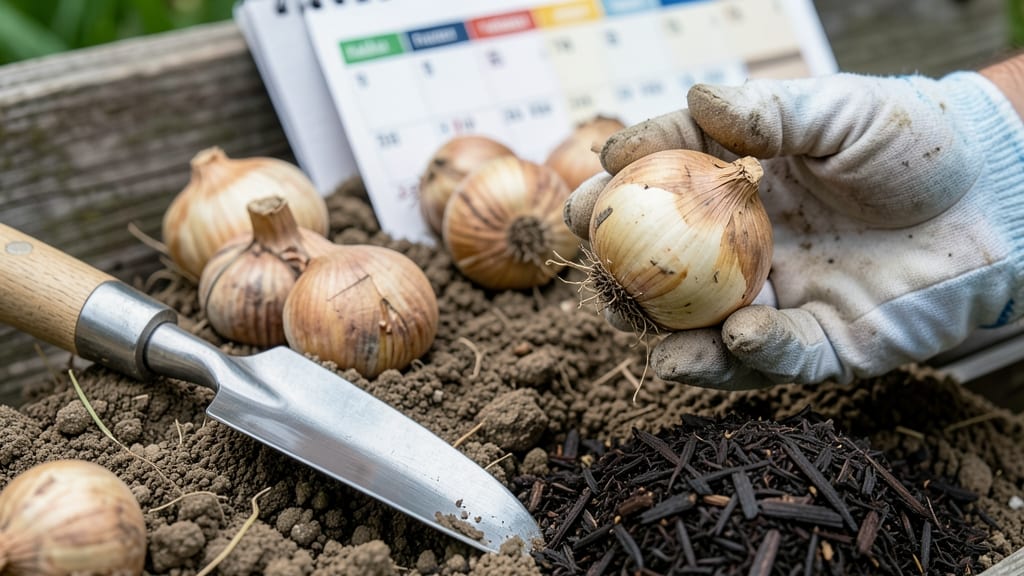
Ideal planting months for Tulip bulbs by US climate zones
Tulip bulbs thrive when planted in fall, but the exact timing depends on your USDA zone and local climate. The golden rule? Plant 4-6 weeks before the first hard frost—this gives roots time to establish before winter dormancy.
In most regions, that means September through November, but colder northern zones may need earlier planting.
For example, gardeners in Zone 3 (like Minnesota or Maine) should plant as early as late August to early September to avoid early freezes. Meanwhile, those in Zone 10 (like Southern California) can plant until December since mild winters delay frost.
Understanding your zone ensures bulbs get the 60°F soil temperature they need to root properly before winter.
Here’s how to adjust for your region: Early varieties (like Darling or Ice Cream) can handle slightly later planting, while late varieties (like Darwin Hybrid) need the extra time to root. Always check your last frost date—most USDA zone maps provide this critical info.
🌷
Pro tip: Use a soil thermometer to confirm your garden’s temperature. Tulip bulbs need 60°F soil for 2–3 weeks to root properly. If your soil is too warm (above 70°F), bulbs may sprout prematurely and rot. In hot climates, plant in shade or wait until soil cools naturally.
For container growers, timing shifts slightly. Since pots warm up faster, aim to plant 2–3 weeks earlier than ground planting to match the same soil temperature window. Just ensure containers have drainage holes to prevent waterlogged roots during winter.
Regional adjustments matter too. In Pacific Northwest zones (like Seattle), rainy falls mean planting in October to avoid soggy soil. Meanwhile, Southwest gardeners (e.g., Arizona) can plant until January thanks to mild winters. Always prioritize root establishment over bloom timing—healthy roots mean bigger, brighter flowers next spring.
🌿
If you’re unsure about your last frost date, local cooperative extension offices or gardening apps like PlantNet can help. These resources provide hyper-local data, which is invaluable for short-season gardeners or those in microclimates (like urban heat islands).
Never guess—accurate timing is the difference between vibrant tulips and disappointing sprouts.
How soil temperature and weather conditions affect root growth
Tulip bulbs need 60°F soil temperature to kickstart root growth, but getting this right depends on your local climate. If you plant too early, bulbs may rot in warm soil, while planting too late leaves them vulnerable to winter frost before roots establish.
The key is finding that sweet spot where soil cools but hasn’t frozen yet.
Most gardeners aim for 4–6 weeks before the first hard frost—typically mid-September to November in the U.S. For example, in Zone 5, this might mean planting by October 15, while in Zone 8, you could extend planting until December 1.
Use a soil thermometer to check—roots need time to grow before winter dormancy begins.
Tulip bulbs planted in soil above 60°F risk rot or premature sprouting. In hot climates (Zones 9–10), store bulbs in a cool, dark place until soil temperatures drop naturally—usually by late October.
Use a soil thermometer ($10–$15) to monitor conditions. If soil stays warm, delay planting until temperatures stabilize.
Rain and snow also play a role. While moderate moisture helps roots grow, waterlogged soil can suffocate bulbs. In areas with heavy rainfall, plant in well-draining soil or raised beds. If snow covers planted bulbs, it’s actually beneficial—insulating them naturally until spring.
For container growers, timing shifts slightly. Pots warm up faster, so plant 2–3 weeks earlier than in-ground bulbs. Choose containers with drainage holes and place them in a sheltered spot to protect roots from extreme cold. Mulch with 2–3 inches of straw after planting to regulate soil temperature.
Watch for frost warnings in your area. If a hard freeze is forecast within 2 weeks, plant immediately—even if soil isn’t ideal. Bulbs can survive light frosts, but established roots handle winter better.
In Zone 3 or colder, aim for early September planting to give roots extra time to harden off.
Pro tip: Mark your planting date on a calendar. If you miss the ideal window, don’t panic—bulbs can often be planted in early December, but expect smaller blooms the first year. The goal is root establishment before dormancy, not perfection. 🌱