
Trees
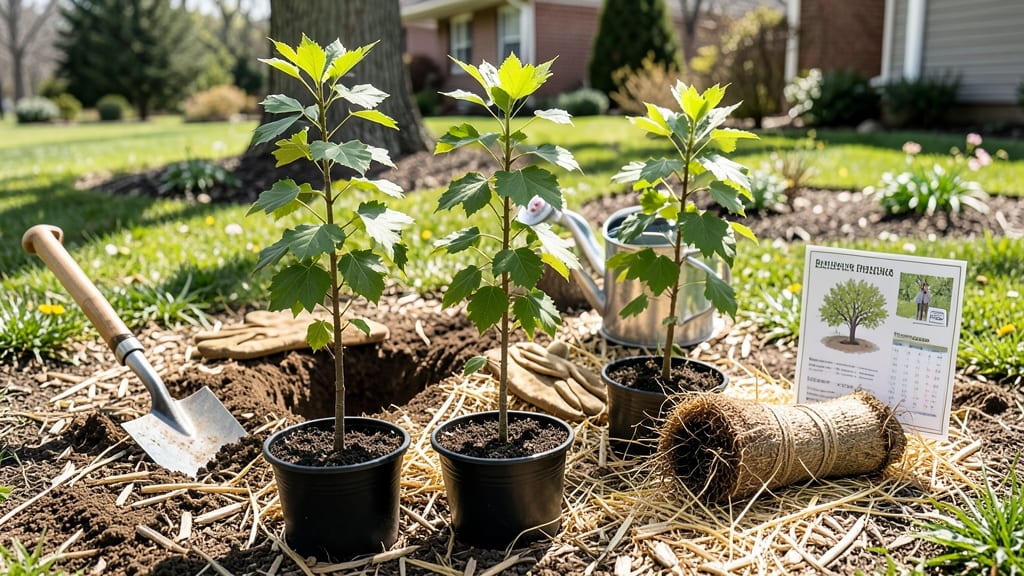
Timing your 🌳 planting in Oklahoma could mean the difference between a tree that thrives for decades and one that struggles from day one.
The best time to plant trees in Oklahoma isn't just about seasons—it's about avoiding those brutal summer heatwaves or late frosts that can sabotage root growth before it starts.
With Oklahoma's 6b-7a climate, you've got a narrow window to work with—typically fall or early spring—when soil temperatures are just right for roots to establish. Plant too early, and you risk spring rains washing away nutrients. Plant too late, and winter's chill can shock young trees before they're ready.
I'll walk you through exactly when to plant in both seasons, which tree species handle Oklahoma's extremes best, and how to prepare your soil for maximum success. Whether you're planting a bare-root sapling or a container-grown specimen, these tips will help your tree take hold and grow strong.
Ready to give your new tree the best possible start? Let's dive into the science behind Oklahoma's planting windows and how to make every season work in your favor.
Oklahoma spring tree planting deadlines: ideal soil temperatures and regional variations
Spring is my favorite time to plant trees in Oklahoma because the soil warms up just enough for roots to establish before summer’s brutal heat. But timing is everything—plant too early, and you risk late frosts damaging tender roots; too late, and your tree wilts under 100°F+ temperatures.
The sweet spot? When soil temps hit 50-60°F at 6 inches deep.
In most of Oklahoma, this window opens around mid-March in the southern regions (like Tulsa or Oklahoma City) but can stretch into late April in cooler northern zones (like Norman or the Arbuckle Mountains). The Panhandle’s drier climate often allows planting 2-3 weeks earlier than eastern Oklahoma’s humid areas.
Here’s the critical rule: Plant before your tree breaks dormancy. For most species, that means getting them in the ground by mid-April in central OK or early May in the Ozark foothills.
Bare-root trees need special attention—their roots should never dry out, so plant them within 24 hours of purchase.
Regional microclimates matter. For example, Lawton’s USDA Zone 7b can handle earlier planting than Altus’s Zone 7a, which often sees later frosts. Always check your last frost date (typically April 15 for most of OK) and add a 2-week buffer for safety.
Before you dig, test your soil’s moisture and pH. Oklahoma’s clay-heavy soils (especially in the Red Bed Plains) can suffocate roots if not amended with compost or sand.
Aim for a pH of 6.0-7.5—most trees thrive in this range. If your soil is too alkaline (common in western OK), add sulfur or peat moss to acidify it gently.
Watering strategy is non-negotiable. Newly planted trees need 15-20 gallons of water weekly (that’s 56-76 liters!) during Oklahoma’s dry springs. Use a soaker hose to deliver water slowly at the root zone—never overhead, which wastes water and spreads disease.
Mulch with 3-4 inches of wood chips to retain moisture and regulate soil temperature.
🌱 Oklahoma Spring Planting
Fall tree planting in Oklahoma: why late September to mid-November works best (and how to avoid common mistakes)
Fall is Oklahoma’s secret weapon for tree planting, offering cooler soil temperatures and reduced transplant shock. Unlike spring, fall lets roots establish before winter dormancy, giving your tree a 30-50% better survival rate. But timing matters—plant too late, and frost can damage tender roots before they harden.
In Oklahoma’s USDA Zones 6b-7a, aim for late September to mid-November, aligning with the first frost date (typically October 15). This window balances root growth with frost protection, but regional microclimates vary—Panhandle areas may need earlier planting, while Southeastern OK can extend slightly later.
🌳
⚠️ Critical Mistake: Planting Too Late
Oklahoma’s early freezes (especially in November) can kill unhardened roots. If soil temps drop below 40°F, roots stop growing—leaving your tree vulnerable to winter desiccation (drying out). Signs of over-late planting: Wilting despite moisture, yellowing leaves, or stunted growth in spring.
To maximize success, prepare your site 4-6 weeks before planting. Amend clay-heavy soils (common in Oklahoma) with compost or sand to improve drainage, and mulch heavily (3-4 inches) to insulate roots. Container-grown trees can handle fall planting better than bare-root, as their roots are less stressed.
Watering is key—deep soak once a week (unless rain falls) to encourage deep root growth. Avoid overhead watering in fall, as fungal diseases like root rot thrive in damp conditions. Instead, use a soaker hose or drip irrigation to deliver moisture directly to the root zone.
For drought-prone areas (like Western OK), choose native species like post oak or Texas redbud, which thrive with minimal supplemental water. These varieties also handle Oklahoma’s summer heat waves better than non-natives, giving them a competitive edge when planted in fall.
If you miss the fall window, early spring (March-April) is your next best option—but act fast. Oklahoma’s last frost date (April 15) marks the deadline for planting before summer’s brutal heat sets in. Pro tip: Use a soil thermometer to confirm temps are above 50°F before planting.