
Plants
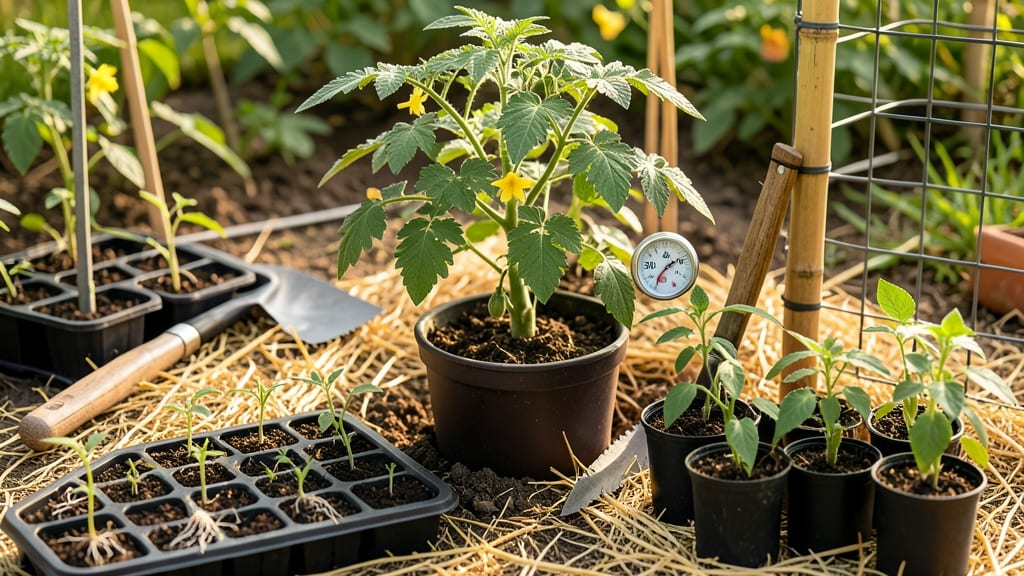
Timing when do you plant tomatoes in Ohio isn’t just about the calendar—it’s about avoiding that heartbreaking late-frost wipeout or missing peak summer harvests.
With Ohio’s 6a zone and unpredictable spring weather, knowing when to start seeds indoors or transplant seedlings can mean the difference between a bountiful garden and a sad, wilted disappointment.
Most Ohio gardeners wait until April 15 to May 15 to plant tomatoes outdoors, but that window shifts depending on your county’s last frost date. Whether you’re in Columbus, Cleveland, or Cincinnati, soil temperature and microclimates (like Lake Erie’s cooling effect) play a bigger role than you might think.
Here’s what you need to know: start seeds indoors 6-8 weeks before your last frost, then transplant seedlings once nighttime temperatures stay above 50°F. We’ll break down the exact frost-free timeline by county so you can plan with confidence—no more guessing games or lost crops.
Ready to grow juicier, healthier tomatoes? Let’s dive into the step-by-step schedule that’ll have your plants thriving from June through October—no matter where in Ohio you’re gardening.
Ohio’s frost-free planting zones: when to start tomatoes by county
Ohio’s diverse climate means last frost dates can vary by 10+ days between counties. For example, Toledo’s average last frost is April 15, while Athens’ is closer to May 1.
Understanding your county’s microclimate—like Lake Erie’s moderating effect or Appalachian highlands—helps you time tomato transplants perfectly for your garden. Southern Ohio (e.g., Cincinnati) often warms faster, while northeast Ohio (e.g., Cleveland) may need row covers for extra protection.
Most Ohio gardeners start tomato seeds indoors 6-8 weeks before their last frost date. For northern Ohio, that means mid-March sowing, while southern Ohio can wait until late March.
Harden off seedlings 1-2 weeks before transplanting to avoid shock. Soil temperature is critical—wait until it hits 60°F (use a soil thermometer!) to ensure strong root growth and disease resistance.
Here’s a quick guide to Ohio’s planting windows by region, with adjustments for urban heat islands (e.g., Columbus) and rural cool spots (e.g., Wayne County). These dates align with 2023 frost data from the Ohio State University Extension:
| Region | Last Frost (Avg.) | Transplant Window | Notes |
|---|---|---|---|
| Northeast (Cuyahoga, Lake, Geauga) | April 20–May 1 | May 15–June 1 | Use row covers for late frosts; Lake Erie delays warming. |
| Northwest (Lucas, Wood, Henry) | April 15–April 25 | May 1–May 15 | Soil warms faster near Toledo; avoid planting near water. |
| Central (Franklin, Delaware, Madison) | April 10–April 20 | April 25–May 10 | Urban areas (Columbus) may warm 3–5 days earlier. |
| Southeast (Athens, Hocking, Vinton) | April 25–May 5 | May 10–May 25 | Appalachian highlands stay cooler; plant high-ground slopes. |
| Southwest (Clermont, Warren, Butler) | April 5–April 15 | April 20–May 1 | Fastest warming; ideal for early varieties like ‘Early Girl.’ |
For direct sowing (skipping indoor starts), Ohio’s soil temperature must stay above 60°F for 7+ days.
In most counties, this happens mid-May, but southern Ohio can direct-sow as early as late April. Black plastic mulch raises soil temps by 5–10°F, letting you plant 1–2 weeks earlier safely. Pair it with cold-hardy varieties like ‘Stupice’ or ‘Mountain Merit’ for extra frost protection.
If you’re in Zone 6a (most of Ohio), aim to transplant tomato seedlings by May 15 for peak yields.
Delaying beyond June 1 risks smaller fruit and lower production before Ohio’s first frost (typically October 15). Succession planting every 2 weeks after your last frost date extends harvests through September.
Ohio’s humid climate demands well-draining soil—amend with compost to prevent blossom-end rot. Test your soil’s pH (6.2–6.8) and add lime if needed. Container growing works well in urban areas; use 5-gallon pots for dwarf varieties like ‘Tiny Tim’ and place them in full sun (6+ hours daily).
Pro tip: Mark your calendar for Ohio’s average first frost (October 15) and plan to harvest all ripe tomatoes before temps drop below 50°F at night. Green tomatoes can be picked and ripened indoors with bananas or apples (ethylene gas speeds ripening).
For extended harvests, try ‘Celebrity’ or ‘Better Boy’—both tolerate Ohio’s heat and humidity well.
Remember, microclimates matter. A south-facing wall or paved driveway can create a 5°F warmer spot—ideal for early planting. Use a minimum-maximum thermometer to track your garden’s unique conditions. With the right timing, Ohio’s 165 frost-free days can yield pounds of tomatoes from a single plant!
Ohio’s frost-free planting zones: when to start tomatoes by county
Ohio’s diverse climate means last frost dates vary dramatically—from early April in southern counties like Lawrenceburg to late May in the Appalachian highlands.
For most Ohio gardeners, the safe transplant window falls between April 15 and May 15, but your exact timing depends on your county’s USDA Zone 6a variations.
Northern Ohio (e.g., Cuyahoga County) often sees frost until May 10, while southern regions like Hamilton County typically clear by April 20. Lake Erie’s microclimate can delay frost by 1-2 weeks near coastal areas, so always check your local National Weather Service updates.
| Region | Last Frost Avg. | Optimal Planting Window | Notes |
|---|---|---|---|
| Southern Ohio (e.g., Lawrenceburg, Hamilton) | April 15–25 | April 20–May 5 | Warmest zone; earliest harvests |
| Central Ohio (e.g., Columbus, Delaware) | April 25–May 5 | May 1–15 | Moderate climate; best for beginners |
| Northern Ohio (e.g., Cleveland, Toledo) | May 5–15 | May 15–30 | Lake Erie delays frost; use row covers |
| Appalachian (e.g., Athens, Hocking) | May 10–20 | May 20–June 5 | Cooler; plant cold-hardy varieties |
For direct sowing (planting seeds outdoors), wait until soil temperatures reach at least 60°F—typically 1-2 weeks after your last frost date. Use a soil thermometer to confirm; Ohio’s clay-heavy soils stay cold longer than sandy areas.
Pro tip: Black plastic mulch warms soil by 5–10°F, letting you plant 10–14 days earlier. Lay it down 2 weeks before transplanting to maximize heat absorption. Pair this with early-maturing varieties like ‘Early Girl’ (65 days) for faster harvests in cooler regions.
Urban gardeners in cities like Cincinnati or Dayton often face heat islands that push last frost dates 3–5 days earlier than rural areas. Monitor your local CoCoRaHS weather station for hyper-local data.
Always have row covers ready—even in May, a late frost can kill seedlings overnight. Start with 6-packs indoors in late March for a head start, then transplant hardened-off seedlings after your county’s safe date.