
Plants
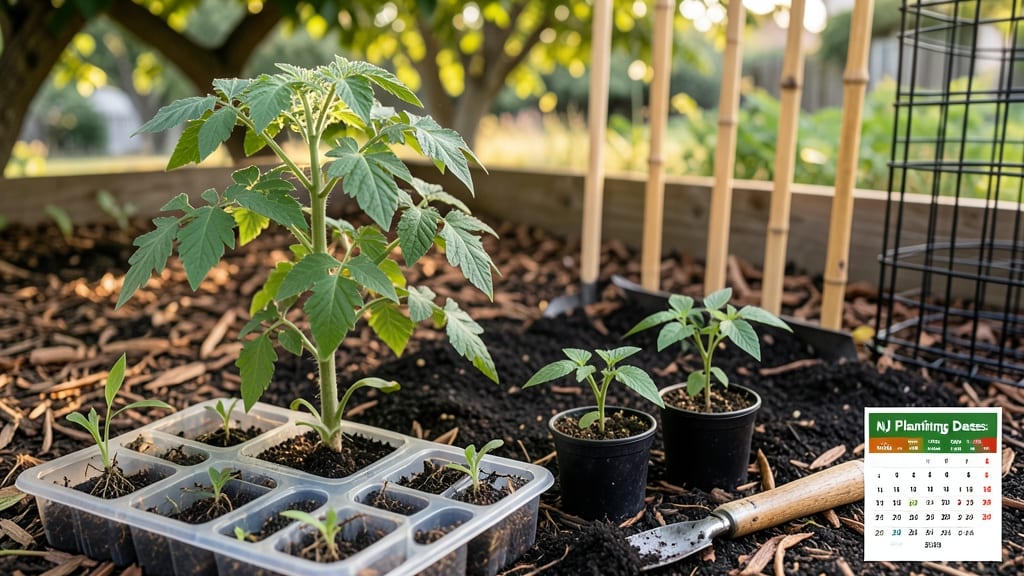
Knowing when do you plant tomatoes in New Jersey is the difference between a thriving harvest and a wasted season—get the timing wrong, and you’ll either lose plants to frost or miss peak flavor entirely.
With last frost dates shifting from late April in the south to early May in the north, pinpointing the exact planting window is the key to a garden bursting with juicy, vine-ripened tomatoes.
Whether you’re starting seeds indoors or transplanting seedlings, the 60°F soil temperature rule is your best friend. In USDA zones 6a-7b, that means waiting until mid-May for most regions, but coastal areas can push planting back another week or two.
I’ll break down the exact windows so you don’t waste time or risk frost damage.
You’ll also discover how to adjust for New Jersey’s microclimates—coastal areas stay warmer longer, while inland spots face earlier frosts. Plus, I’ll share pro tips for soil prep, seed-starting indoors, and post-planting care to ensure your tomatoes thrive from seed to harvest.
Ready to avoid common mistakes and maximize your garden’s potential? Let’s dive into the perfect planting schedule for your NJ zone and set you up for a bumper crop of homegrown tomatoes.
NJ tomato planting dates by USDA hardiness zone (2024 guide)
New Jersey spans USDA zones 6a through 7b, meaning your tomato planting window depends on where you live. Coastal areas like Cape May (zone 7b) enjoy 2-3 weeks later planting than inland zones like Sussex County (zone 6a). Understanding these differences ensures your tomato plants thrive without frost damage.
For most of New Jersey, the last average frost date falls between April 15 and May 1. However, mountainous regions (like the Kittatinny Valley) can experience frost as late as May 15. Always check your local microclimate—even neighboring towns may have 10-day differences in frost timing.
| Zone | Last Frost Date | Transplant Window | Soil Temp Requirement | Notes |
|---|---|---|---|---|
| 6a (Sussex, Warren) | April 15 | May 1 - May 10 | 60°F+ | Earliest zone; use row covers for safety |
| 6b (Hunterdon, Morris) | April 22 | May 10 - May 15 | 60°F+ | Classic Piedmont timing; ideal for heirlooms |
| 7a (Monmouth, Burlington) | April 29 | May 15 - May 20 | 60°F+ | Coastal transition zone; watch for humidity |
| 7b (Cape May, Atlantic City) | May 5 | May 20 - May 25 | 60°F+ | Latest zone; extend season with black plastic mulch |
If you're starting tomato seeds indoors, begin them 6-8 weeks before your zone's last frost date. For zone 6a, that means March 1-15, while zone 7b gardeners can wait until late March. Use grow lights to prevent leggy seedlings—tomatoes need 14-16 hours of light daily.
For direct sowing, wait until soil temperatures consistently reach 60°F. Use a soil thermometer—cooler soils delay germination and stunt early growth. In cooler zones, opt for early-maturing varieties like 'Stupice' (55 days) or 'Early Girl' (60 days) to beat summer's heat.
Never plant tomatoes before the soil is workable—packed, cold soil suffocates roots. Amend your beds with compost or aged manure 2-3 weeks before transplanting to improve drainage and fertility. Tomatoes hate soggy roots, so raised beds are ideal for NJ's heavy clay soils.
Pro tip: Mark your transplant dates on a calendar and set reminders. Missing the window by even 10 days can reduce yields by 30% due to slower establishment. For late plantings, choose heat-tolerant varieties like 'Solar Fire' or 'Heatmaster' to handle NJ's summer humidity.
Always monitor weather forecasts the week before transplanting. A cold snap can kill young plants overnight. If frost threatens after planting, cover seedlings with frost cloth or a clear plastic bottle (cut in half) until temperatures rise.
For a second harvest, try succession planting. After your first crop (planted in May), sow quick-maturing varieties like 'Tiny Tim' (45 days) in late June. This gives you tomatoes through September before early frosts hit.
🌱
How to adjust planting dates for NJ’s microclimates (coastal vs. inland)
New Jersey’s geography creates three distinct microclimates that dramatically impact tomato planting. Coastal areas like Cape May and Atlantic City enjoy warmer springs and delayed frosts, while inland regions like the Piedmont and northern counties face earlier frost risks.
Even mountainous areas like the Kittatinny Mountains have shorter growing seasons—understanding these variations helps you time your plantings perfectly.
For coastal NJ (Zones 7a-7b), you can start transplanting 2-3 weeks earlier than inland areas. The Atlantic Ocean moderates temperatures, pushing last frost dates to mid-to-late April instead of mid-April.
This means you can plant heat-loving tomatoes like 'Celebrity' or 'Sungold' by April 20-25 in these zones, giving them a head start for summer harvests.
Inland areas, including central and northern NJ (Zones 6a-6b), experience colder springs and earlier frosts. Here, wait until May 1-10 to transplant seedlings after soil warms to 60°F.
Varieties like 'Early Girl' or 'Stupice', which mature quickly (60-70 days), are ideal for these regions to avoid fall frosts.
If you’re in a transition zone (like parts of Mercer or Burlington counties), play it safe by using row covers or cold frames to protect seedlings until late May. These tools can push your transplant window 2-4 weeks later while shielding plants from unexpected frosts.
For example, a floating row cover can raise soil temperature by 2-5°F, accelerating growth.
For mountainous regions, focus on cold-hardy varieties like 'Glacier' or 'Mountain Merit', which tolerate cooler temperatures. Plant these in early May and use black plastic mulch to warm the soil faster.
In these areas, aim to harvest by late September to avoid early frosts that can hit as soon as October 1.
Pro tip: Use a soil thermometer to confirm soil is 60°F+ before transplanting—this is more critical than air temperature. In coastal areas, soil warms faster due to ocean breezes, while inland soils may need 1-2 extra weeks to reach this threshold. Adjust your schedule accordingly to avoid stunted growth.
🌱