
Plants
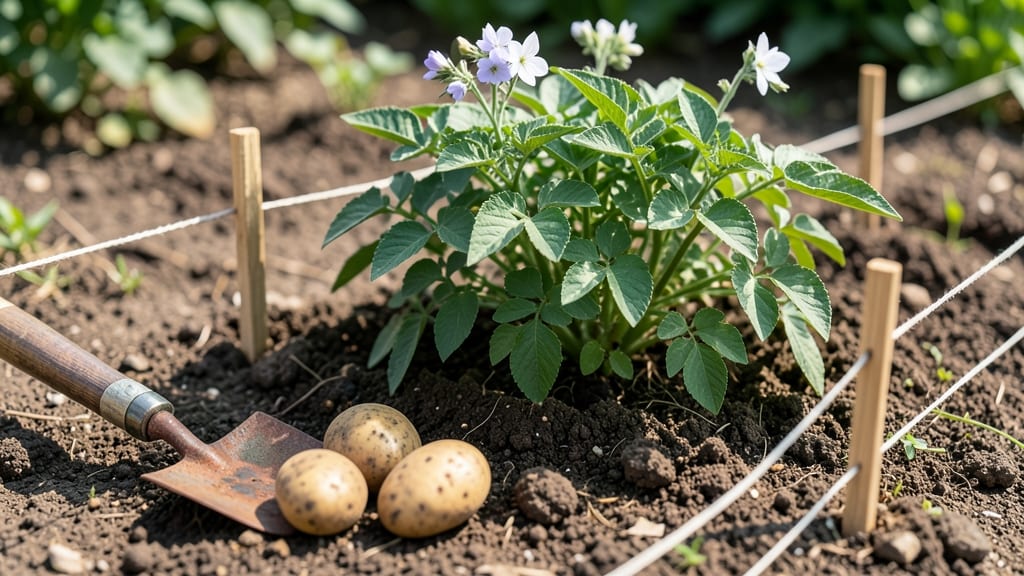
Knowing when to plant potatoes in Zone 5 could mean the difference between a bumper crop of creamy, buttery tubers and a sad, woody mess.
The secret lies in those 4-6 weeks before your last frost, when soil temperatures hit a crisp 45°F—the sweet spot for sprouts to take off without bolting.
Here’s the thing: Zone 5 gardeners have a narrow window to work with, and getting it wrong can turn your 🥔 dreams into disappointment. Whether you’re planting seed potatoes or certified sprouts, timing matters more than you think.
Too early? Risk frost damage. Too late? Your plants might bolt before you even get a harvest.
In this guide, I’ll break down the exact weeks to plant for zero-bolt success, plus how to prep your soil and choose varieties that thrive in our shorter growing season. No more guessing—just foolproof timing for the best potatoes you’ve ever grown.
Ready to dig in? Let’s turn those 165 frost-free days into a harvest you’ll actually want to eat.
Zone 5 potato planting timeline: exact weeks before last frost for perfect harvests
In Zone 5, potatoes need precise timing to thrive—plant too early, and frost zaps tender sprouts; too late, and your crop bolts before producing tubers. The 4-6 week window before your last frost date is your sweet spot, but soil temperature matters just as much as calendar dates.
For most of Zone 5, this means late March to early April planting, but your exact date depends on whether you're growing early, mid, or late-season varieties.
First, find your average last frost date—in most of Zone 5, this falls around April 15, but check your local weather records for precision. Then work backward: 6 weeks before is ideal for late varieties, while 4 weeks before suits early-maturing types.
For example, if your last frost is April 20, plant late-season potatoes by March 20 and early varieties by April 5.
Don't rely on calendar dates alone—soil temperature is the real clock. Potatoes won't sprout until the soil reaches 45°F (7°C), and they grow fastest between 55-75°F (13-24°C). Use a soil thermometer to confirm readiness; cold, wet soil delays growth and increases disease risk.
In Zone 5's unpredictable spring, this could mean waiting 1-2 weeks longer than your calendar suggests.
Pro tip: Chit your seed potatoes (sprout them indoors) 2-3 weeks before planting to give them a head start. Place whole seed potatoes in a bright, cool spot (around 50°F/10°C) and watch for 1-inch sprouts—these jumpstart your crop and help you beat Zone 5's short growing season.
Here’s the golden rule for Zone 5: Plant when you can work the soil (not frozen or waterlogged) and before temperatures consistently stay above 50°F (10°C). This balance ensures your potatoes grow strong roots before the heat of summer arrives and triggers bolting.
| Planting Window | Soil Temp Threshold | Zone 5 Calendar Range | Days to Maturity | Best For |
|---|---|---|---|---|
| Early Spring (4 weeks before last frost) | 45°F (7°C) | Late March–Early April | 60–90 days | Early varieties (e.g., 'Yukon Gold') |
| Mid-Spring (5 weeks before last frost) | 45–50°F (7–10°C) | Early–Mid April | 90–110 days | Mid-season (e.g., 'Red Pontiac') |
| Late Spring (6 weeks before last frost) | 50°F+ (10°C+) | Mid–Late April | 110–120 days | Late varieties (e.g., 'Russet Burbank') |
Zone 5 gardeners often ask: Can I plant potatoes in February? The answer is yes, but only for early varieties in protected microclimates (like raised beds with black plastic mulch). For most of the region, February planting risks cold soil and late frosts, stunting growth.
Instead, use February to chit your seed potatoes or prepare your planting beds with compost and organic matter.
Another common mistake? Planting too deep. Bury seed potatoes only 4 inches deep—deeper planting delays emergence and increases rot risk. In Zone 5's cooler springs, shallower planting also helps sprouts break through sooner.
As plants grow, hill soil around stems every 2–3 weeks to encourage more tuber formation and prevent greening (toxic solanine buildup).
For a second crop, try late-summer planting (after July 1) with fast-maturing varieties like 'Early Rose'. These potatoes grow quickly in Zone 5's warm summer months, often ready to harvest by early fall before the first frost. Just be prepared to harvest before foliage yellows to avoid tuber shattering.
Remember: Zone 5’s growing season is short—only about 165 frost-free days in most areas. By planning your planting window carefully and choosing the right varieties, you can maximize yield and avoid bolting, even in a cooler climate.
Start with these exact weeks, and your potato harvest will thank you!
Zone 5 potato planting timeline: exact weeks before last frost for perfect harvests
In Zone 5, potatoes need precise timing to avoid bolting (premature flowering) or stunted growth. Your planting window opens 4-6 weeks before your last frost date, typically between March 15 and April 15—but soil temperature matters more than calendar dates.
Cold soil delays sprouting, while warm soil (above 45°F/7°C) kickstarts growth. Check your local USDA last-frost date and adjust accordingly.
For early varieties, you can plant as soon as soil is workable (around 45°F/7°C), even if frost lingers. Mid-season and late varieties need warmer soil (at least 50°F/10°C) to prevent rot.
Use a soil thermometer—this small investment saves your entire crop from failure. Pro tip: If your soil stays cold, opt for early-maturing varieties like 'Yukon Gold' to beat the clock.
| Stage | Action | Zone 5 Timeline |
|---|---|---|
| Soil Prep | Test pH (5.0-6.5), add compost | Late February - Early March |
| Cut Seed Potatoes | Slice into 1.5-inch chunks, let heal 24 hours | 2-3 Weeks Before Planting |
| Plant Early Varieties | 4-6 weeks before last frost, 4" deep | March 15 - April 1 (Soil 45°F+) |
| Plant Mid/Late Varieties | After last frost, soil 50°F+ | April 15 - May 1 |
| Hill Soil | Mound soil around stems every 2-3 weeks | May - June (Ongoing) |
| Harvest Early Varieties | When foliage yellows (70-90 days) | Late June - Early July |
Missed the spring window? Don’t panic—Zone 5 gardeners can plant a second crop in early summer for a fall harvest! Use early-maturing varieties like 'Red Pontiac' and plant 6-8 weeks before your first frost (typically by July 15).
This method works best in warmer microclimates or with black plastic mulch to extend the season. Just be prepared to harvest before frost hits.
One common mistake is planting too early when soil is still cold. If your potatoes sprout but growth stalls, they’ll rot in the ground. Conversely, planting too late risks bolting, turning your tubers bitter and woody.
The key is balancing soil temperature, variety maturity, and your local frost dates. For example, 'Kennebec' (a late variety) needs 120 days to mature—plant it by May 15 in Zone 5 to avoid bolting.
Pro tip: Mark your calendar for June 1—this is when most Zone 5 gardeners start hilling soil around potato plants. Hilling encourages more tuber formation and prevents greening (toxic solanine buildup).
If you’re new to hilling, mound soil up to the plant’s first leaves, then repeat every 2-3 weeks until flowering. This simple trick can double your yield!
Remember, Zone 5’s short growing season demands smart planning. By following these exact weeks and soil temperature guidelines, you’ll enjoy zero-bolt, high-yield potatoes from early summer through fall. Happy planting—your future meals (and neighbors) will thank you! 🌱