
Plants
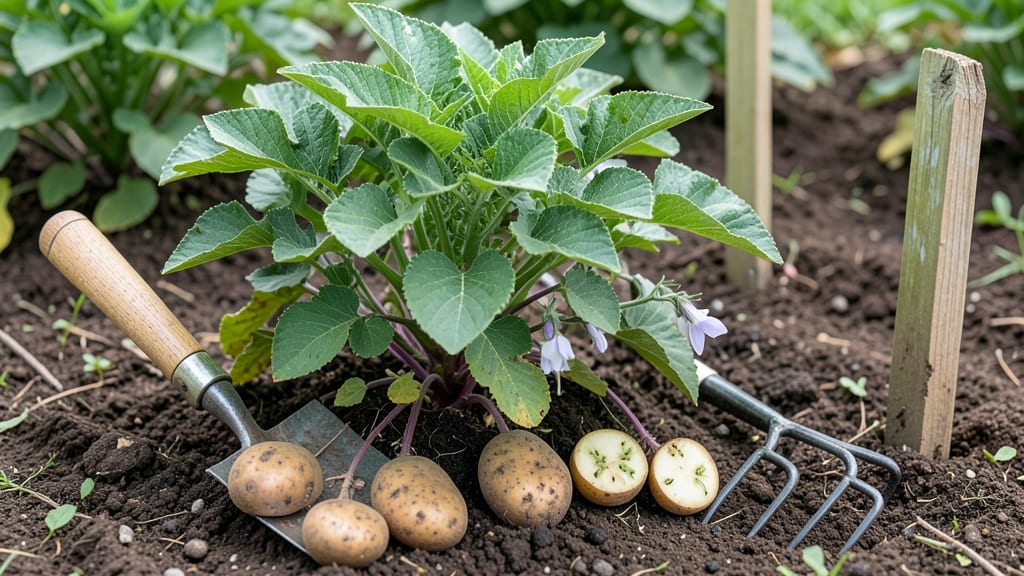
Timing when you should plant potatoes in Pennsylvania can mean the difference between a bumper crop and wasted effort—especially when unpredictable weather throws off your best-laid plans. The key isn’t just waiting for spring; it’s knowing when the soil warms enough to support those tender sprouts without risking frost damage.
In USDA Zone 6a, where many Pennsylvania gardens thrive, planting too early can leave your potatoes vulnerable, while waiting too long might shorten your harvest window.
Most gardeners in the Keystone State aim to plant their seed potatoes 2-4 weeks before the last frost date, typically between early March and mid-April. But here’s the catch: soil temperature matters just as much as calendar dates.
You’ll want to wait until the ground reaches at least 45°F, ensuring roots can establish before the real warmth arrives. This balance is what separates a mediocre harvest from a garden full of golden spuds.
Whether you’re starting with seed potatoes or seedlings, understanding Pennsylvania’s frost-free window—roughly 165 days in most regions—helps you plan for both early and late varieties. I’ll break down exactly how to sync your planting schedule with local conditions, so you can avoid common mistakes and maximize your yield.
Let’s get those potatoes in the ground the right way.
Ready to turn your garden into a potato powerhouse? You’ll discover the best varieties for PA’s climate, soil prep secrets, and even how to stretch your growing season with simple tricks. No more guessing—just a foolproof plan for a harvest that’ll make your neighbors jealous.
Pennsylvania potato planting calendar: soil temperature & frost-free dates
Pennsylvania’s diverse climate—spanning USDA Zones 5-7—means potato planting timing varies by region. In western PA (Zone 6-7), you can plant as early as late February to early March, while eastern PA (Zone 5-6) gardeners should wait until mid-to-late March to avoid frost damage.
Central PA falls somewhere in between, typically aiming for early April planting.
The key factor isn’t just the calendar date but soil temperature. Potatoes thrive when soil reaches 45°F (7°C). Use a soil thermometer to check—planting too early in cold soil can stunt growth or invite disease.
In colder microclimates, wait until soil warms consistently above 50°F (10°C) for faster sprouting.
Last frost dates are another critical marker. The average last frost across PA ranges from April 15 (eastern PA) to May 1 (western PA), but microclimates near lakes or valleys can delay frost by 1-2 weeks.
Aim to plant 2-4 weeks before your local last frost date to give tubers time to establish roots before warm weather arrives.
For a second harvest, some gardeners plant late-season potatoes (like Kennebec) in early July for a fall crop. These varieties mature in 60-70 days, allowing time to harvest before the first frost (mid-October in most of PA). Use row covers to extend the season if needed.
🌱
Pennsylvania Potato Planting Guide by Region
| Region | USDA Zone | Ideal Planting Window | Soil Temp Threshold | Last Frost Date |
|---|---|---|---|---|
| Eastern PA | 5-6 | Mid-to-late March | 45°F (7°C) | April 15 |
| Central PA | 6a | Early April | 45°F (7°C) | April 22 |
| Western PA | 6b-7a | Late February-Early March | 50°F (10°C) | May 1 |
| Second Harvest (Fall) | All Regions | Early July | 55°F (13°C) | Mid-October |
*Adjust for microclimates (e.g., valleys, urban heat islands).
If you’re using seed potatoes (not sprouted), chill them in the fridge for 4-6 weeks before planting to encourage sprouting. For sprouted seed potatoes, plant them as soon as sprouts reach 1 inch long. This head start gives you a 2-week advantage over planting unsprouted tubers.
In clay-heavy soils (common in eastern PA), amend beds with compost or sand to improve drainage. Potatoes hate soggy soil, which can lead to rot and disease.
Test your soil’s pH—aim for 5.0-6.5—and adjust with lime if needed. A simple $20 soil test kit from your local extension office is worth the investment.
For container growing, use deep pots (at least 12 inches deep) and plant potatoes 2-3 weeks earlier than in-ground beds. Containers warm up faster in spring, giving you a jump on the season. Just ensure pots have drainage holes to prevent waterlogging.
🌡️
Pro tip: Mark your planting date on a garden journal to track progress. Note soil conditions, weather anomalies, and harvest yields. Over time, you’ll refine your planting schedule to match your specific microclimate. For example, if you notice late April frosts in your area, shift planting to mid-May for safety.
Finally, don’t forget about row covers or cold frames to protect young plants. A $15 floating row cover can add 2
How to time potato planting for maximum yield in PA’s climate
Pennsylvania’s variable spring weather means planting potatoes too early can lead to frost damage, while waiting too long shortens your harvest window. The key is planting when soil temperatures hit 45°F (7°C)—this ensures roots establish before summer heat arrives.
In most of PA, this window falls between late March and mid-April, but microclimates (like valleys or urban areas) can shift this by 1-2 weeks.
If your spring is unusually cold, consider early planting in February under row covers or in a cold frame. This extends your growing season and lets you harvest earlier varieties like 'Yukon Gold' before summer pests strike.
Just be prepared to protect young plants with frost blankets if late frosts hit.
For maximum yield, space potatoes 12-15 inches apart in rows 30 inches apart to allow adequate airflow and reduce blight risk. In clay-heavy soils (common in PA’s eastern regions), mix in compost or sand to improve drainage.
If your soil is sandy (like in western PA), add organic matter to retain moisture.
Don’t forget about succession planting! Plant early, mid, and late varieties 2-3 weeks apart to stagger harvests. For example, 'Red LaSoda' (early) can go in late March, followed by 'Kennebec' (mid) in early April, and 'Russet Burbank' (late) in mid-April.
This ensures a continuous harvest from July through September.
If you’re in Zone 5 (northern PA), prioritize cold-hardy varieties like 'Katahdin' or 'Minnesota Midget'—they tolerate cooler soils and shorter seasons. In Zone 7 (southern PA), you can push planting into early May for a fall harvest, but watch for early blight in humid summers.
Finally, mulch heavily after planting to retain moisture and regulate soil temperature. Straw or shredded leaves work well, but avoid fresh grass clippings—they mat down and smother young plants.
With the right timing and care, your PA potato patch can produce 5-10 lbs of tubers per plant—worth the effort!