
How To
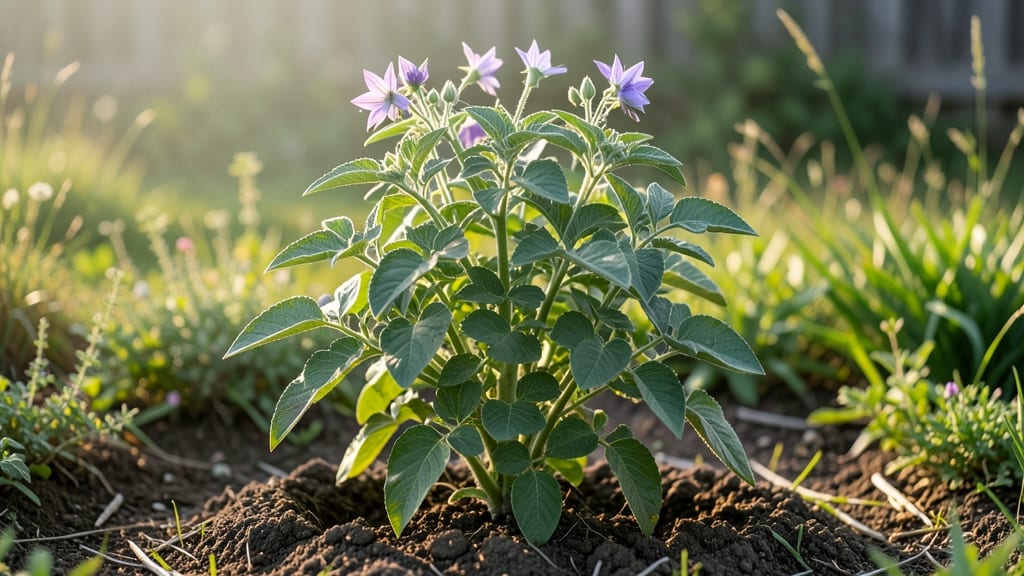
If you’ve ever wondered how tall does a potato plant grow, you’re not alone—many gardeners underestimate just how much space these leafy stalks need to thrive.
While some varieties stay compact enough for container gardens, others can reach nearly 3 feet tall, turning your backyard into a lush, green potato jungle if you’re not careful.
Knowing the exact height range of your 🥔 varieties is the key to avoiding crowded plants, poor yields, and even stunted growth. Whether you’re working with dwarf types like ‘Red Norland’ or towering ‘Purple Majesty,’ proper spacing makes all the difference in maximizing your harvest.
Let’s break down the heights you can expect and how to plan your garden for success.
For most gardeners in USDA Zone 6, planting in March or April sets the stage for ideal growth—but without the right spacing, even the hardiest varieties can struggle.
The good news? A little prep now means fewer headaches later, whether you’re a space-saving urban gardener or a backyard farmer with plenty of room.
In this guide, you’ll discover the exact height ranges for popular potatoes, how to adjust your layout for different growth habits, and pro tips to keep your plants healthy from seed to harvest. Ready to dig in?

Potato plant height by variety: from compact to towering growth habits
When planning your potato patch, one of the first questions I ask myself is: how tall will these plants grow? The answer isn't one-size-fits-all—potato varieties range from dwarf types barely reaching your shins to tall varieties that top your kitchen counter.
Understanding these differences helps me maximize space, whether I'm working with a small urban garden or a large backyard plot. Let's break down the growth habits by category so you can choose the perfect varieties for your layout.
Most gardeners assume all potato plants grow to similar heights, but this couldn't be further from the truth. The height of potato plants depends entirely on the variety you choose.
For example, dwarf varieties like 'Red LaSoda' stay under 12 inches tall, making them ideal for containers or tight spaces. On the other hand, standard varieties like 'Kennebec' can reach 36 inches or more, requiring more room to spread and grow vertically.
Knowing these ranges helps me avoid overcrowding and ensures each plant gets the sunlight and nutrients it needs to thrive.
Here's where things get interesting: some varieties even change their growth habits based on conditions. For instance, Yukon Gold potatoes typically grow 18-24 inches tall, but if they're planted in poor soil or lack sunlight, they might stay shorter.
That's why I always test my soil before planting—well-draining, nutrient-rich soil encourages healthier, fuller growth. The same goes for sunlight: 6+ hours of direct sun per day is non-negotiable for most varieties to reach their full height potential.
| Height Category | Varieties | Mature Height | Ideal Spacing | Best For |
|---|---|---|---|---|
| Dwarf (<12") | Red LaSoda, 'Ratte', 'Chieftain' | 8-12" | 6-8" apart | Containers, small gardens |
| Semi-Dwarf (12-24") | Yukon Gold, 'Adirondack Red', 'Purple Majesty' | 18-24" | 12-15" apart | Raised beds, in-ground plots |
| Standard (24"+) | Kennebec, 'Russet Burbank', 'Red Pontiac' | 30-36" | 18-24" apart | Large gardens, trellising |
The dwarf varieties are my go-to for small spaces or container gardening. For example, 'Red LaSoda' stays under 12 inches tall and produces small, red-skinned potatoes perfect for salads. These varieties also mature faster, giving me a harvest in as little as 60-70 days.
If you're short on space, dwarf potatoes are a game-changer—they let you grow more in less area without sacrificing yield.
For my main garden plot, I lean toward semi-dwarf varieties like Yukon Gold, which grow 18-24 inches tall. These are versatile, high-yielding, and adapt well to different soil types.
The key with semi-dwarf varieties is proper spacing: I give them 12-15 inches between plants to prevent competition for nutrients and sunlight. This spacing also makes it easier to hill soil around the stems as they grow, which encourages more tuber production.
When it comes to tall varieties like Kennebec, I treat them like the skyscrapers of the potato world. These can reach 36 inches or taller, so I allocate 18-24 inches of space per plant and often use trellises or cages to support their weight.
Tall varieties also benefit from regular pruning to encourage bushier growth and prevent disease. If you're growing these in a small garden, consider vertical gardening techniques to save space while still getting a great harvest.
One variety that always surprises me is 'Purple Majesty', which grows 20-24 inches tall but produces vibrant purple tubers. The height isn't the only standout feature—its disease resistance and long storage life make it a favorite for late-season planting.
I've found that taller varieties like this often produce larger tubers because they have more energy to allocate to root growth. However, they do require more staking and support to prevent them from flopping over in wind or rain.
If you're new to growing potatoes, I recommend starting with a mix of dwarf and semi-dwarf varieties to get a feel for their growth habits. This way, you can experiment with spacing and support without overwhelming your garden.
For example, you might plant 'Red LaSoda' in containers on your patio and 'Yukon Gold' in a raised bed. This diversity not only makes your garden more interesting but also helps you learn what works best in your specific growing conditions.
Remember, the height of your potato plants isn't just about aesthetics—it directly impacts your yield and ease of harvest. Taller plants may produce more tubers, but they also require more main
How potato plant height affects yield and garden layout strategies
Potato plant height isn’t just about aesthetics—it directly impacts your harvest yield and how you design your garden. Taller varieties like Purple Majesty (up to 3 feet) need more vertical space, while compact Red LaSoda (under 12 inches) thrive in small containers.
Understanding these growth patterns helps you maximize tuber production without overcrowding.
Taller potato plants often produce larger tubers because they have more energy to allocate to underground growth. However, they also require stronger stems to support their foliage, which means deeper planting and sturdier soil.
Shorter varieties, on the other hand, are ideal for urban gardens or raised beds where space is limited.
Here’s how height affects your garden layout: taller plants need 12–18 inches of spacing between rows to avoid shading smaller neighbors, while dwarf varieties can be planted just 6–12 inches apart. Proper spacing ensures every plant gets the sunlight and nutrients it needs to grow strong and healthy.