
Plants
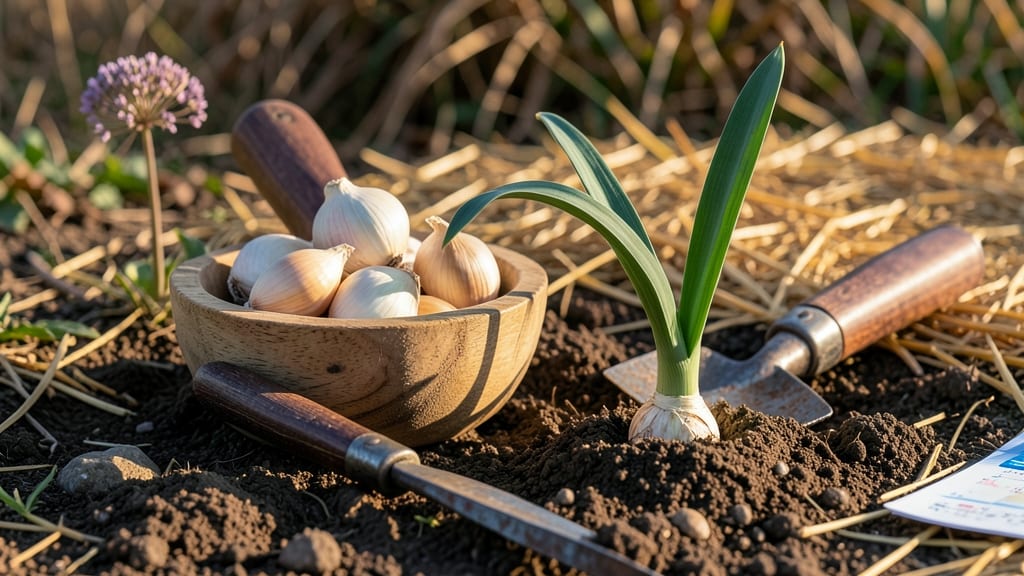
Planting garlic in Wisconsin isn't just about timing—it's about outsmarting the state's unpredictable frosts and short growing season to grow bulbs that are plump, flavorful, and hardy enough to survive winter.
Whether you're a seasoned gardener or just starting with 🧄, knowing the exact window to plant makes all the difference between a thriving crop and a disappointing one.
Wisconsin's 4b-6a climate zones demand precision, and the ideal time to plant garlic is mid-to-late fall—typically between October and November. This gives the roots time to establish before the ground freezes, setting the stage for a robust harvest come summer.
But with early cold snaps and late frosts, getting the timing right can feel like a guessing game.
In this guide, I’ll walk you through the best months to plant garlic in Wisconsin, the cold-hardy varieties that perform best, and the common mistakes to avoid—so you can grow garlic that’s bigger, stronger, and tastier than anything you’ve ever bought in the store. Let’s get started.
From choosing the right cloves to preparing your soil for Wisconsin’s unique conditions, every step counts. By the end, you’ll have the confidence to plant garlic like a pro and enjoy a harvest that’s the envy of every gardener in the neighborhood.
Best planting months for garlic in Wisconsin: exact dates by region
Timing your garlic planting in Wisconsin is all about beating the first hard frost while giving roots time to establish before winter. The ideal window is mid-October to mid-November, but exact dates depend on your USDA hardiness zone (4b–6a) and local frost patterns.
Planting too early risks rot, while planting too late leaves bulbs vulnerable to winter kill.
Most Wisconsin gardeners aim to plant garlic 4–6 weeks before the ground freezes. For example, in Zone 4b (northern WI), this means late September to early October, while Zone 6a (southern WI) can extend planting until mid-November.
Check your last frost date—typically mid-November in most areas—and count backward.
If you miss the fall window, don’t panic! Wisconsin gardeners can also plant garlic in early spring (March–April), but bulbs will be smaller and may bolt (flower) prematurely. Spring-planted garlic is best for green garlic or scape harvesting, not full bulbs.
Here’s a quick regional breakdown to help you pinpoint the best time for your Wisconsin garden:
| Region | USDA Zone | Ideal Planting Window | Last Frost Date | Key Tip |
|---|---|---|---|---|
| Northern WI (Eau Claire, Green Bay) | 4b | Late September–early October | Mid-November | Use hardneck varieties for best winter survival. |
| Central WI (Madison, Milwaukee) | 5a–5b | Mid-October–early November | Late November | Aim for 6 weeks before freeze for optimal root growth. |
| Southern WI (La Crosse, Janesville) | 6a | Early–mid-November | Early December | Can plant slightly later due to milder winters. |
Pro tip: Use a soil thermometer to ensure the ground is below 40°F before planting. Cold soil helps prevent rot and encourages strong root development before winter sets in. Mulch heavily with straw or leaves (4–6 inches) after planting to insulate bulbs from temperature swings.
For gardeners in Zone 4b, don’t wait past October 15th—this is your cutoff for a reliable harvest. In Zone 6a, you can push it to November 15th, but avoid planting after the first frost.
The key is giving garlic roots 6–8 weeks to establish before winter dormancy begins.
If you’re unsure about your exact planting window, check the Wisconsin State Climatology Office for your local frost dates. They provide historical averages that can guide your timing. Remember, garlic planted in fall yields the largest bulbs, while spring planting is a backup for missed deadlines.
Once you’ve nailed your planting window, focus on soil prep—garlic thrives in loamy, well-draining soil with a pH of 6.0–7.0. Work in compost or aged manure before planting to give bulbs a nutrient boost for next summer’s harvest.
Wisconsin’s short growing season means every day counts. By planting at the right time, you’ll avoid the two biggest garlic failures: frost damage and bolting. With the perfect timing, you’ll enjoy plump, flavorful bulbs that outshine store-bought garlic by summer.
Best planting months for garlic in Wisconsin: exact dates by region
Timing your garlic planting in Wisconsin is all about beating the first frost while giving roots time to establish before winter. The ideal window is mid-October to mid-November, but exact dates vary by USDA Zone (4b–6a).
Plant too early, and cloves may sprout prematurely; too late, and frost will damage young roots.
Northern Wisconsin (Zones 4b–5a) has the shortest window—aim for late September to early October. Southern regions (Zones 5b–6a) can plant until mid-November, but avoid planting after November 15th to prevent frost damage. Check your local frost-free date (typically mid-November) and plant 4–6 weeks before the ground freezes.
| Region | USDA Zone | Best Planting Window | Key Consideration |
|---|---|---|---|
| Northern WI (Green Bay, Wausau) | 4b–5a | Late September–Early October | Short growing season; prioritize early planting |
| Central WI (Madison, Milwaukee) | 5b–6a | Mid-October–Mid-November | Flexible window; avoid planting after Nov 15 |
| Southern WI (La Crosse, Eau Claire) | 6a | October–Early December | Longer window; monitor soil temps (40°F+) |
For hardneck varieties (best for Wisconsin), plant cloves with the pointy end up, spaced 4–6 inches apart in rows 12 inches apart. Use a soil thermometer—roots need soil temps between 40–50°F to establish. If your soil is too warm, delay planting until temps drop.
Spring planting is possible in Wisconsin but risky—cloves may bolt (flower prematurely) due to heat. If you must plant in spring, use softneck varieties and sow as early as March (cover with mulch to protect from late frosts). However, fall-planted garlic yields larger bulbs and better flavor.
Pro tip: Mark your planting rows with flagging tape or sticks to avoid disturbing the soil in spring. Mulch with straw (4–6 inches) after planting to insulate roots during winter. This simple step can increase bulb size by 30% in Wisconsin’s climate.
Remember, garlic is a perennial in Wisconsin—what you plant in fall may resprout in spring, but bulbs won’t mature until the following summer. Patience pays off with bold, flavorful harvests worth the wait. 🌱