
Planting
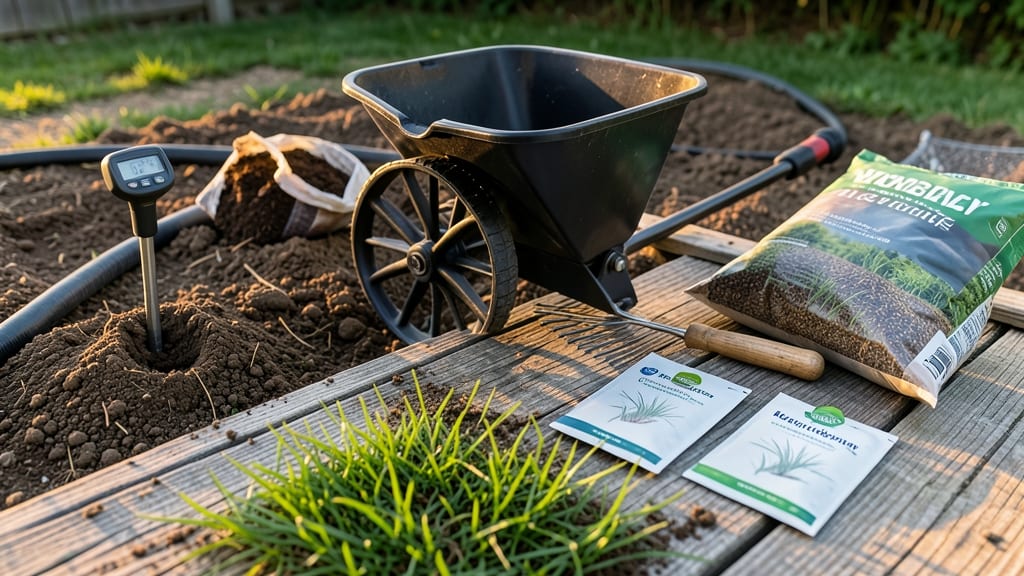
Timing your grass seed planting in Wisconsin wrong can mean waiting another year for that lush, green lawn you dream of—especially when unpredictable frosts and heavy clay soil throw a wrench into the plan.
I’ve seen firsthand how a few weeks can make all the difference between fast germination and wasted effort. The best window for planting in Wisconsin’s 4a-5b zones is early spring (April) or early fall (September), but there’s more to it than just picking a month.
In this guide, I’ll break down the exact months to plant based on your region, the cold-hardy grass varieties that thrive here, and the critical steps to ensure your seed takes root before Wisconsin’s next frost.
Skip the guesswork—let’s get your lawn off to the right start with proven timing and techniques that actually work in your backyard.
Best months to plant grass seed in Wisconsin (by region & climate zone)
Wisconsin’s diverse climate zones—from the cold Northwoods to the warmer southern regions—mean your ideal planting window depends on where you live. Most gardeners agree that early fall (September) and early spring (April) are the best times, but let’s break it down by zone to avoid frost-related disasters.
In USDA Zones 4a-5b, Wisconsin experiences last frosts in mid-April and first frosts in mid-October. Planting too early risks frost damage, while waiting too late means competing with weeds. The key is timing when soil temps hit 50°F (10°C) and staying frost-free for 2-3 weeks.
Southern Wisconsin (Zone 5b) has a slightly longer growing season, while the Northwoods (Zone 4a) demands earlier fall planting. Let’s compare the best windows for each region to help you decide.
| Region | Best Planting Window | Soil Temp Requirement | Key Consideration |
|---|---|---|---|
| Southern Wisconsin (Zone 5b) | Early April to mid-May OR Mid-September to early October |
50°F+ (10°C+) | Longer frost-free window; avoid late May planting due to summer heat stress. |
| Central Wisconsin (Zone 4b) | Mid-April to early May OR Late August to mid-September |
50°F+ (10°C+) | Watch for late frosts in spring; fall planting allows roots to establish before winter. |
| Northwoods (Zone 4a) | Late April to early May OR Mid-August to late September |
50°F+ (10°C+) | Shortest growing season; prioritize fall planting for best success. |
Spring planting in Wisconsin offers warmer soil and longer daylight hours, but weeds germinate faster too. Fall planting, however, lets grass establish strong roots before winter, giving it a head start in spring. For Southern Wisconsin, aim for September 15–October 1 to avoid early frost.
If you’re in the Northwoods, shift your focus to late August–mid-September, as frost can arrive as early as October 10. Use a soil thermometer to confirm temps are stable at 50°F+ before seeding.
Pro tip: Check the National Weather Service for your local 10-day forecast before planting. A 5-day frost-free guarantee is ideal for spring, while fall plantings should happen 6–8 weeks before first frost.
For shady lawns, consider fine fescue mixes, which germinate slower but thrive in low-light conditions. These varieties tolerate cooler soil temps, making them safer for early spring or late fall planting.
Remember: Watering schedules change with seasons. Spring plantings need daily watering for the first 2 weeks, while fall plantings can rely on natural rainfall once established. Mulch with straw to retain moisture and protect seeds from late-season frost.
🌱
Cold-hardy Wisconsin grass seed varieties that survive freezing temperatures
Wisconsin’s freezing winters and hot summers demand grass seed varieties that can handle extreme temperatures. Choosing the right type ensures your lawn stays green year-round, even after harsh snow cover and late frosts. Let’s explore the top cold-hardy grasses that thrive in Wisconsin’s USDA Zones 4a-5b.
Not all grass types survive Wisconsin’s climate. Kentucky Bluegrass and Tall Fescue are popular choices, but Fine Fescue and Perennial Ryegrass also excel in different conditions. Each variety has unique germination requirements and frost tolerance, so selecting the right mix for your yard is key to long-term success.
Here’s a quick comparison of the best grass seed varieties for Wisconsin, including their frost resistance, shade tolerance, and drought performance:
For northern Wisconsin, where winters are longest, Fine Fescue and Tall Fescue are ideal because they handle freezing temperatures and low sunlight better than other varieties. In southern Wisconsin, where summers are hotter, Kentucky Bluegrass and Perennial Ryegrass grow faster and stay greener longer.
When choosing your grass mix, consider your yard’s sun exposure and soil type. For example, clay-heavy soils in Wisconsin benefit from Tall Fescue, which has deep roots that break through compacted soil.
If your lawn gets partial shade, a blend of Fine Fescue and Kentucky Bluegrass will provide the best coverage.
Pro tip: Always check the seed label for cold tolerance ratings. Look for varieties labeled “cold-hardy” or “winter-resistant” to ensure they’ll survive Wisconsin’s winters.
Mixing two types, like Fine Fescue and Kentucky Bluegrass, can also improve your lawn’s resilience against disease and pests.
Once you’ve selected your grass seed, timing your planting is just as critical. Early fall or spring planting gives seeds the best chance to establish strong roots before extreme weather hits. Pair your seed choice with the right planting window for a lawn that stays lush year-round. 🌱