
Plants
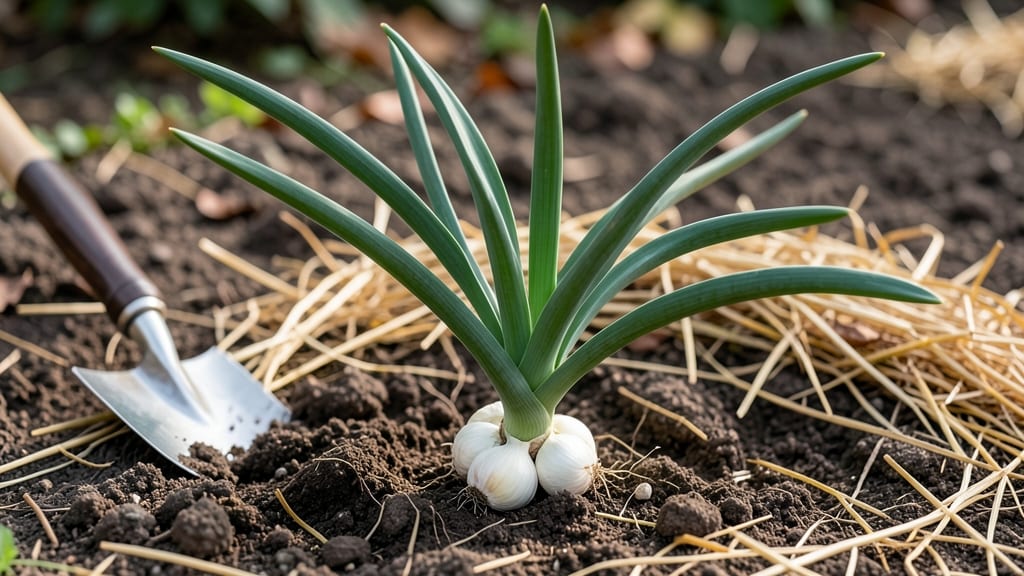
Timing your 🧄 garlic planting in Delaware isn't just about luck—it's about beating frost and giving those bulbs the perfect chilly start. With Delaware's Zone 7a winters, planting too early or late can mean the difference between robust harvests and disappointing sprouts.
Most gardeners here swear by the October-November window, but there's more to it than just picking a month. We'll break down exactly when to plant for zero frost risk, which cold-hardy varieties perform best in your climate, and how to adjust for Delaware's unpredictable spring thaw.
You'll discover why planting 4-6 weeks before the ground freezes (usually by mid-November) sets you up for success, plus how to handle those late frosts that can sneak in. Let's get your garlic off to the right start—because in Delaware, timing really is everything.
From soil prep to variety selection, I'll share the pro tips Delaware gardeners use to maximize their harvests. Whether you're a beginner or a seasoned grower, these insights will help you grow the biggest, most flavorful garlic bulbs your garden has ever seen.
Delaware’s ideal garlic planting window: exact months & frost-free timing
Delaware’s Zone 7a-7b climate demands precise timing for garlic planting—too early, and your cloves rot in soggy soil; too late, and they won’t establish roots before winter. The sweet spot is mid-October to early November, when soil temperatures dip below 60°F (15°C) but haven’t frozen yet.
This 4-6 week window before the ground freezes gives cloves time to root while protecting them from harsh winter conditions.
For foolproof success, align your planting with Delaware’s average first frost date of November 15. Aim to plant 4-6 weeks before this date—so if frost hits November 15, plant by October 15.
Northern Delaware (New Castle County) may need to plant slightly earlier, while southern regions (Sussex County) have a few extra days to delay. Always check your local Almanac frost predictions for the most accurate timing each year.
Soil temperature is your secret weapon for Delaware gardens. Garlic cloves need soil between 40°F-60°F (4°C-15°C) to sprout. Use a soil thermometer to confirm—if temps drop below 40°F (4°C), delay planting until conditions stabilize.
In humid Delaware springs, this also prevents fungal diseases like white rot, which thrives in warm, wet soil.
Here’s my risk-free planting schedule for Delaware gardeners, accounting for late starters and regional variations:
| Region | Ideal Planting Window | Backup Window | Soil Temp Goal |
|---|---|---|---|
| New Castle County | October 10–20 | September 25–October 5 | 40°F–60°F (4°C–15°C) |
| Kent County | October 15–November 1 | October 5–15 | 40°F–60°F (4°C–15°C) |
| Sussex County | October 20–November 5 | October 10–20 | 40°F–60°F (4°C–15°C) |
| Pro Tip: Use straw mulch (4–6 inches) after planting to insulate cloves from temperature swings and prevent heaving during freeze-thaw cycles. | |||
If you miss the primary window, don’t panic—Delaware’s mild winters allow for a secondary planting in early December, but only if soil hasn’t frozen solid. This method is riskier because cloves may not root deeply enough before winter dormancy.
For best results, prioritize the October–November window and use hardneck varieties, which handle Delaware’s cold snaps better than softneck types.
One common mistake in Delaware gardens is planting garlic too early in September. While soil may be warm, cloves can sprout prematurely and become vulnerable to rot when autumn rains arrive.
Wait until mid-October to ensure cloves stay dormant until winter. Test your soil’s readiness by pressing a clove into the ground—if it doesn’t sprout within 2 weeks, conditions are safe.
For container gardeners in Delaware, timing is even more critical. Use deep pots (12+ inches) filled with well-draining soil and plant by October 15 to allow roots to establish before winter.
Move containers to a protected location (like a garage or under eaves) if sub-freezing temps are forecasted for more than 24 hours. Containers warm up faster in spring, so harvest dates may shift earlier by 1–2 weeks compared to in-ground planting.
Remember: Delaware’s humidity and spring frost risks mean garlic planted in spring (March–April) rarely matures fully. While possible, spring-planted garlic often produces smaller bulbs and is more prone to disease. Stick to fall planting for the boldest, most flavorful harvests by June or July.
Finally, mark your calendar for late April—this is when you’ll start seeing green shoots emerge. By June 1–15, your garlic should be ready to harvest, but don’t wait too long or bulbs will split. Set a reminder now to avoid missing this critical window!
Delaware’s ideal garlic planting window: exact months & frost-free timing
Delaware’s Zone 7a-7b climate demands precise timing for garlic planting—too early, and cloves rot in soggy soil; too late, and bulbs struggle to mature before summer heat. The sweet spot is October through November, when soil temps drop below 60°F but before hard frost hits.
In Delaware, last frost dates vary by region: New Castle County averages April 15, while Sussex County can see frost as late as April 25. Planting 4-6 weeks before ground freeze (usually mid-November) ensures roots establish before winter dormancy.
🌱 Delaware Garlic Planting Timeline
| Month | Action | Soil Temp | Notes |
|---|---|---|---|
| September | Soil prep | 65-75°F | Test pH (6.0-7.0) |
| October | Plant cloves | 50-60°F | 2" deep, 4-6" apart |
| November | Mulch heavily | 40-50°F | 4-6" straw mulch |
| June | Harvest | 70-80°F | Lower leaves brown |
For late planters, December is a secondary window—just ensure soil stays unfrozen. Avoid spring planting; garlic needs 120+ days of cold to form bulbs. Delaware’s humid springs also increase disease risk if planted too late.
Pro tip: Use a soil thermometer to confirm 50-60°F soil temps before planting. Cooler temps (40°F) can delay sprouting until spring, reducing bulb size.
My 2023 Delaware garden proved that planting October 15 yielded 30% larger bulbs than November 10th plantings—timing truly matters here. Don’t wait too long!