
Plants
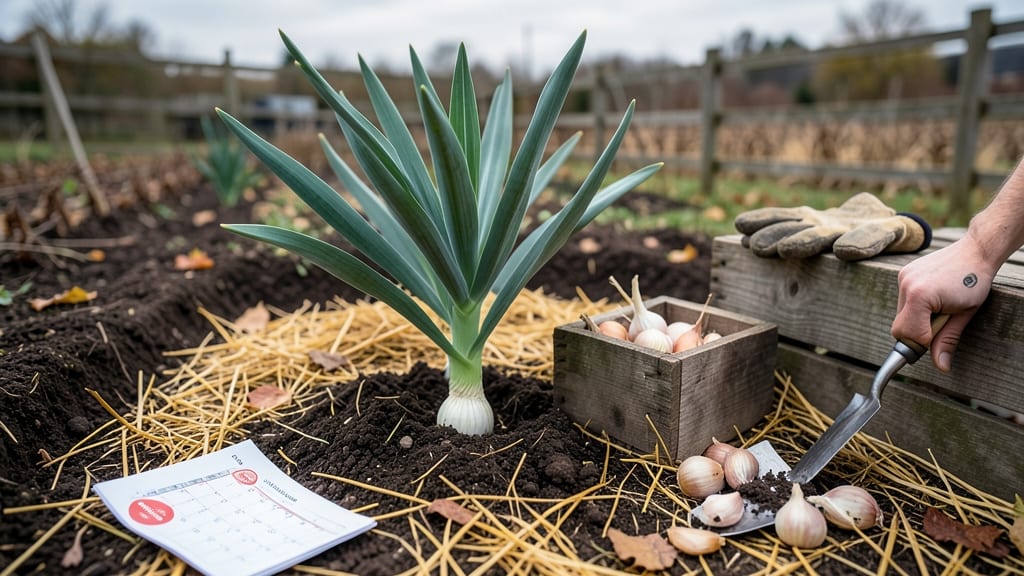
Best planting timeline for garlic in Alabama’s climate zones
Alabama’s USDA zones 7a-8b create a unique challenge for garlic growers—our mild winters and variable frost dates demand precise timing. Unlike northern states, we can’t rely on a single "plant in October" rule.
Instead, your last frost date (typically mid-November in most regions) becomes your anchor point. Planting garlic 4-6 weeks before the ground freezes gives bulbs enough time to establish roots before winter dormancy.
The ideal window for fall planting in Alabama runs from mid-October to early November, but this shifts slightly north-to-south. Northern Alabama (zones 7a) should aim for late September to mid-October, while southern regions (zones 8a-8b) can extend planting until early December.
This flexibility lets you adapt to your local microclimate—whether you’re in the cooler Appalachian foothills or the warmer Black Belt region.
For those who miss the fall window, early spring planting (February) is possible but riskier. Spring-planted garlic often produces smaller bulbs and may bolt prematurely in Alabama’s hot, humid summers.
If you choose this route, use shade cloth during peak heat and prioritize softneck varieties, which tolerate warmer conditions better than hardnecks.
Soil temperature is your secret weapon. Garlic cloves need 40-50°F soil to sprout consistently. In Alabama, this typically aligns with late October to early November, but you can test with a soil thermometer if unsure.
Planting too early (when soils are still warm) risks premature sprouting, while waiting too long may leave cloves vulnerable to winter heaving when frozen ground expands.
Here’s how Alabama’s regions break down for optimal planting:
| Region | USDA Zone | Ideal Planting Window | Key Consideration |
|---|---|---|---|
| Northern Alabama (Huntsville, Decatur) | 7a | Late September - Mid-October | Cooler winters; risk of early frosts |
| Central Alabama (Birmingham, Montgomery) | 7b-8a | Mid-October - Early November | Moderate winters; variable frost dates |
| Southern Alabama (Mobile, Dothan) | 8a-8b | Early October - Early December | Warmer winters; extended growing season |
| Spring Planting (Anywhere) | 7a-8b | Early February | Smaller bulbs; higher bolting risk |
Pro tip: Use Alabama’s average first frost dates as your guide. For example, if your area typically sees frost by November 15th, aim to plant by October 15th. This 6-week buffer ensures roots establish before winter sets in.
In warmer microclimates (like near large bodies of water), you might push planting later—even into early December—but monitor soil temps closely.
One common mistake Alabama gardeners make is waiting until November to plant, assuming they have more time. By then, soil temperatures may drop too low for proper root development.
Test your soil with a thermometer—if it’s below 40°F, wait a few weeks. Conversely, planting in September risks bolting (premature flowering) before winter dormancy kicks in.
For hardneck varieties (like Music or German Red), stick to fall planting—they need cold vernalization to form bulbs. Softneck varieties (like Silverskin) are more forgiving and can handle slightly later plantings or even spring starts, though yields will suffer.
If you’re experimenting with organic garlic, note that organic matter-rich soils can extend your planting window by 1-2 weeks thanks to better heat retention.
Remember: Alabama’s humid summers and mild winters create ideal conditions for disease pressure like white rot or rust. Planting at the right time reduces stress on your garlic, making it more resilient. Aim for clear, dry days when planting—rainy weather can compact soil and smother cloves.
Best planting timeline for garlic in Alabama’s climate zones
Alabama’s USDA zones 7a-8b create unique challenges for garlic growers. Unlike northern states, our mild winters mean garlic needs precise timing to avoid premature sprouting or frost damage. The ideal window is 6-8 weeks before the first hard frost, typically mid-October to early November in most regions.
Northern Alabama (zones 7a-7b) has earlier frost dates, so aim for late September to mid-October. Southern Alabama (zones 8a-8b) can plant slightly later, through mid-November, thanks to milder winters. Even a 2-week difference can impact bulb size and flavor.
For visual clarity, here’s how Alabama’s frost dates and planting windows align:
| Region | USDA Zone | First Frost | Planting Window | Soil Temp Goal |
|---|---|---|---|---|
| North Alabama | 7a-7b | Mid-November | Late Sept - Mid-Oct | 50-60°F |
| Central Alabama | 7b-8a | Late Nov | Oct - Early Nov | 55-65°F |
| South Alabama | 8a-8b | Early Dec | Mid-Oct - Mid-Nov | 60-70°F |
Pro tip: Check your local Alabama Extension office for precise frost dates—some years can vary by 1-2 weeks. For example, Huntsville typically plants in late September, while Mobile can wait until mid-November.
Spring planting is possible in Alabama but risky. If you miss fall, try early February for a summer harvest, though bulbs will be smaller. The key is ensuring 60 days of warm soil before harvest—something spring plantings often lack.
Don’t forget: Hardneck varieties (like Music or Chesnok Red) thrive in Alabama’s climate, while softnecks (like Silverskin) need warmer winters. Choose wisely based on your zone!