
Plants
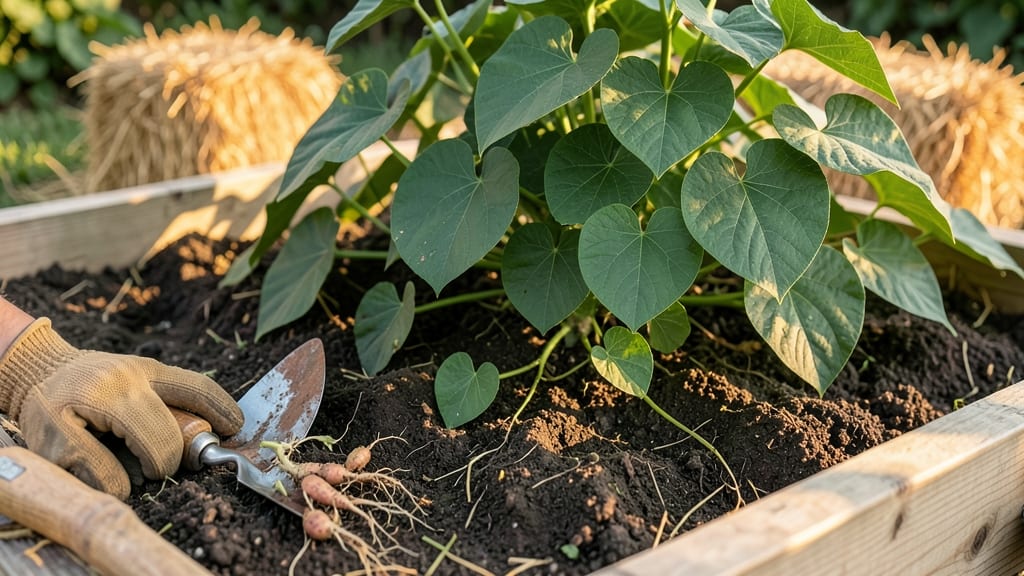
If you’ve ever planted sweet potatoes in North Carolina only to watch your crop fail because of frost or stunted growth, you’re not alone. The perfect timing for planting these 🍠 gems isn’t just about the calendar—it’s about understanding your region’s microclimate, soil temperature, and frost dates.
Here’s the truth: Planting too early in May risks frost damage, while waiting until July might cut your harvest short. North Carolina’s 7a-8b zones demand precision—soil needs to hit at least 65°F, and slips should go in only after the last frost (usually mid-to-late May).
I’ll break down the exact windows for Piedmont, Coastal Plain, and Mountain regions, plus how to prep your soil and slips for zero-frost success. Whether you’re a first-time gardener or a seasoned grower, these tips will ensure your sweet potatoes thrive from late September to November.
Ready to avoid common mistakes and maximize your harvest? Let’s dive into the game-changer strategies that work in NC’s climate.
North Carolina sweet potato planting calendar: best dates by region
North Carolina’s diverse microclimates mean your sweet potato planting window depends on where you live. The Piedmont region (Raleigh, Greensboro) has the longest growing season, while Mountain areas (Asheville, Boone) face earlier frosts. Aim to plant after soil warms to 65°F—a critical threshold for root development.
For Coastal Plain growers (Wilmington, Fayetteville), the window opens earlier (mid-April) thanks to milder winters. Inland zones like the Sandhills should wait until late April to early May.
Always check your local last frost date—most of NC averages April 15, but elevations above 2,000 feet can delay it by weeks.
📅 Key Dates by Region: Coastal Plain: April 15–May 15 Piedmont: May 1–June 1 Mountains: May 15–June 15 Sandhills: April 20–May 10
| Region | Planting Window | Soil Temp Threshold | Last Frost Date | Harvest Window |
|---|---|---|---|---|
| Coastal Plain | Mid-April to mid-May | 60°F+ | March 15–April 1 | Late Sept–Nov |
| Piedmont | Early May to early June | 65°F+ | April 1–15 | Mid-Sept–Nov |
| Mountains | Late May to mid-June | 70°F+ | May 1–15 | Sept–early Oct |
| Sandhills | Late April to early May | 62°F+ | March 20–April 5 | Late Sept–Nov |
Use a soil thermometer to confirm readiness—sweet potatoes refuse to grow in cold soil. In Zone 7a (western NC), wait until May 15; Zone 8b (Coastal Plain) can start as early as April 1.
Pro tip: Plant slips (not seeds) for faster harvests—NC’s short growing season demands speed!
Extend your season by mulching heavily with straw to keep roots warm. In high-elevation areas, consider black plastic mulch to raise soil temps by 5–10°F. This trick works wonders for Mountain growers facing cooler nights. Always plant after Memorial Day in these zones to avoid surprise frosts.
For container growing, use large pots (15+ gallons) and plant 2–3 slips per container. Containers warm up faster than ground soil, so you can start 2 weeks earlier than in-ground plantings. Just ensure pots have drainage holes—soggy roots = rot.
Watch for false starts in April. A warm spell might trick you into planting early, but a late frost (common in the Piedmont) can kill young slips. Use frost cloth as a backup if temps dip below 50°F after planting. Better safe than sorry with $5 slips!
Harvest timing varies by region too. Coastal Plain growers can wait until November, while Mountain zones must pull tubers by early October. Use a garden fork to dig carefully—never pull vines, or you’ll bruise the roots.
Cure harvested sweet potatoes at 80°F and 80% humidity for 10 days to develop sweetness.
Pro move: Plant early and late batches for a staggered harvest. My June planting in the Piedmont yields smaller but sweeter roots, while May plantings give larger tubers. Experiment to find your sweet spot!
How to prepare sweet potato slips for North Carolina’s climate
North Carolina’s humid summers and sandy loam soils create perfect conditions for sweet potatoes—but only if you prepare your slips correctly. Hardening slips before transplanting and enriching the soil will give you a head start on a bountiful harvest.
Skipping these steps often leads to slow growth or even plant failure in NC’s USDA Zones 7a-8b.
Start by selecting healthy sweet potato slips from a reputable nursery. Look for slips with 3-4 inches of stem and no signs of disease.
In North Carolina, you’ll want to begin hardening your slips 2-3 weeks before your target planting date, which typically falls between mid-May and early July. This process helps them adjust to outdoor conditions gradually.
Here’s how to prepare your slips for North Carolina’s climate:
- Place slips in a shady outdoor spot for 3-4 hours daily, increasing exposure by 1 hour each day.
- After 7 days, move them to partial sun (4-6 hours) to toughen their skin.
- By day 14, they should be ready for full sun exposure in their final planting spot.
- Test your soil’s pH (5.8-6.5)—sweet potatoes thrive in slightly acidic to neutral soil.
- Amend with compost or aged manure to improve drainage and fertility.
- Avoid fresh manure, which can burn young roots.
- Apply a 3-inch layer of mulch (straw or pine needles) to retain moisture.
- Mulching also suppresses weeds and keeps roots cool in NC’s heat.
- Replenish mulch as it breaks down during the growing season.
- Water deeply every 3-5 days to encourage strong root growth.
- Avoid wetting the leaves to prevent fungal diseases like black rot.
- Morning watering is best to reduce evaporation in NC’s humid climate.
Once your slips are hardened and the soil is prepped, plant them 12-18 inches apart in rows spaced 3 feet apart. This spacing gives vines room to spread and prevents competition for nutrients.
In North Carolina’s Coastal Plain region, where soils are often sandy, you may need to water more frequently to prevent drought stress.
After planting, monitor your sweet potatoes for yellowing leaves or stunted growth, which can signal overwatering or nutrient deficiencies. A light application of 5-10-10 fertilizer every 4-6 weeks will keep them thriving until harvest.
With the right prep, your slips will grow into robust plants ready for a late September to November harvest.
🌱