
Plants
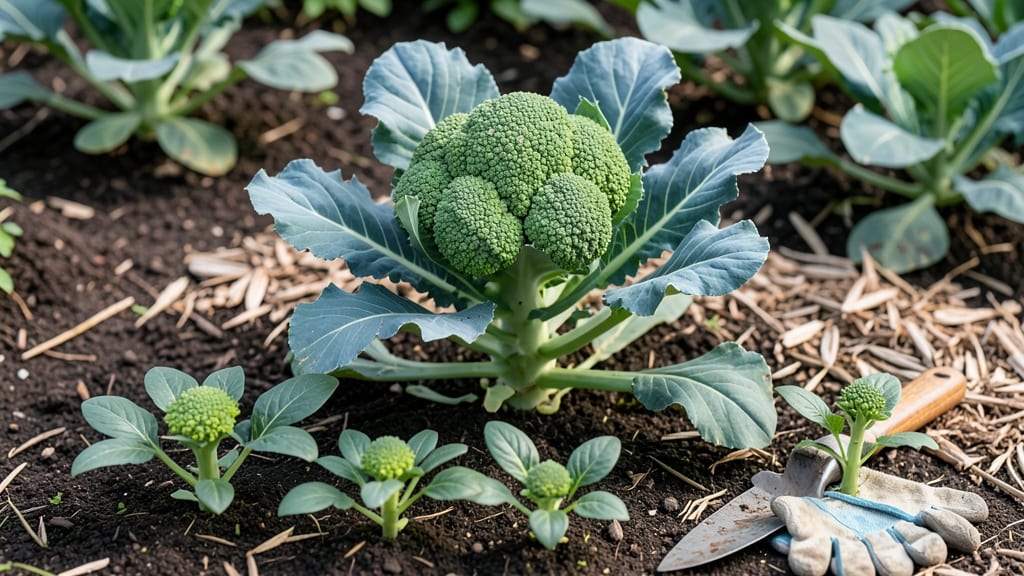
Timing your broccoli 🥦 planting in Houston isn’t just about throwing seeds in the dirt—it’s the difference between a bumper crop and bitter disappointment.
With Houston’s 9a climate, you’ve got just a narrow window to get it right, and missing it means watching your plants bolt into unwanted flowers instead of tender, harvest-ready heads.
Most gardeners here make one of two mistakes: planting too early when summer’s heat lingers, or waiting too long when winter’s chill sets in. The key is starting your broccoli 🥦 between late September and early October for fall harvests, or jumping into January for winter crops.
But here’s the catch—your exact start date depends on soil temperature and local frost patterns, not just the calendar.
I’ve grown broccoli 🥦 in Houston for years, and I’ll show you exactly how to calculate your perfect planting window, from soil prep to frost protection. You’ll learn the 3 critical steps to avoid bolting, plus which varieties thrive in our heat and humidity.
Let’s get your garden set up for success before the next frost hits.
Whether you’re a first-timer or a seasoned gardener, these Houston-specific tips will help you grow broccoli 🥦 that’s sweeter, more abundant, and ready to harvest just as you planned. No more guesswork—just delicious, homegrown results.
Houston’s ideal broccoli planting window: fall dates to avoid bolting
Houston’s Zone 9a climate throws a curveball for broccoli lovers—those 60-day growing windows shrink fast when summer heat lingers or winter freezes arrive early. The secret?
Planting broccoli in late summer to early fall (August–October) when soil temps dip below 75°F but stay above 50°F—this sweet spot prevents bolting while avoiding Houston’s brutal summer heat.
Your ideal planting window starts 4–6 weeks before Houston’s first frost (typically mid-October to early November). But here’s the catch: Houston’s unpredictable weather means you’ll need to adjust based on soil temperature (not just calendar dates).
Use a soil thermometer to confirm temps are 55–65°F before sowing seeds or transplanting seedlings.
🌱
Missed the fall window? Don’t despair—Houston’s second planting window opens in January for a spring harvest. Aim for January 15–February 15, when soil warms to 55°F again. This late-winter crop avoids summer heat and bolts, giving you tender heads by March or April.
Pro tip: Houston’s humidity and clay soil can cause seedlings to rot if planted too early.
Amend your soil with 2–3 inches of compost and raise beds if drainage is poor. Mulch heavily (straw or shredded leaves) to maintain even soil temps and retain moisture during Houston’s unpredictable rain showers.
For zero-bolt success, monitor your broccoli’s leaf color—yellowing or purple stems signal heat stress. If temps creep above 80°F, provide afternoon shade with a lightweight row cover or shade cloth (30% shade). This simple trick can extend your harvest window by 2–3 weeks.
💧
Remember, Houston’s microclimates vary wildly. If you’re in inner-city areas (like Montrose), you’ll experience urban heat islands that delay fall cooling. Adjust your planting dates 1–2 weeks later than the guidelines above.
Conversely, suburban or rural areas (like Katy) may cool faster—plant 1–2 weeks earlier to capitalize on cooler nights.
Your first frost date (around December 15) isn’t just a cutoff—it’s your harvest deadline. Broccoli planted too late may bolt prematurely or suffer from cold stress.
Use frost blankets to protect mature heads during light freezes (28–32°F), but avoid covering plants during hard freezes (below 28°F)—the damage is already done.
How to extend Houston’s broccoli season: succession planting and cold protection
Houston’s mild winters and occasional cold snaps make broccoli a tricky crop—plant too early, and you risk bolting from heat; too late, and frost ruins your harvest. The key? Succession planting and smart cold protection to stretch your growing window from fall through late winter.
I’ve learned that with the right techniques, you can enjoy fresh broccoli heads even when your neighbors are bundling up!
Start by planting your first batch in mid-September when soil temps drop below 80°F. This gives plants time to establish roots before Houston’s unpredictable December frosts. For a second harvest, sow transplants in early January—just before the last frost date of January 10.
These later plantings often produce sweeter, more tender heads because they mature during cooler weather.
🌱 Pro Tip: Use row covers or frost blankets to protect young plants when nighttime temps dip below 35°F. These lightweight fabrics trap heat without smothering your broccoli. I’ve seen plants survive 28°F with this method—just remove covers during the day to prevent overheating.
| Method | Best For | Houston Timing | Materials Needed |
|---|---|---|---|
| Row Covers | Cold protection (28–32°F) | November–February | Frost blanket, hoops, clips |
| Succession Planting | Extended harvest | September + January | Transplants, compost |
| Cold Frames | Late-winter growth | February–March | Clear plastic, bricks |
For succession planting, space out your sowings every 2–3 weeks starting in September. This ensures a steady supply of broccoli heads instead of one big harvest. In my garden, I’ve had success with three staggered plantings: late September, early October, and mid-January.
The January batch often surprises me with harvests in March, just as summer heat arrives.
💡 Cold-Hardening