
Plants
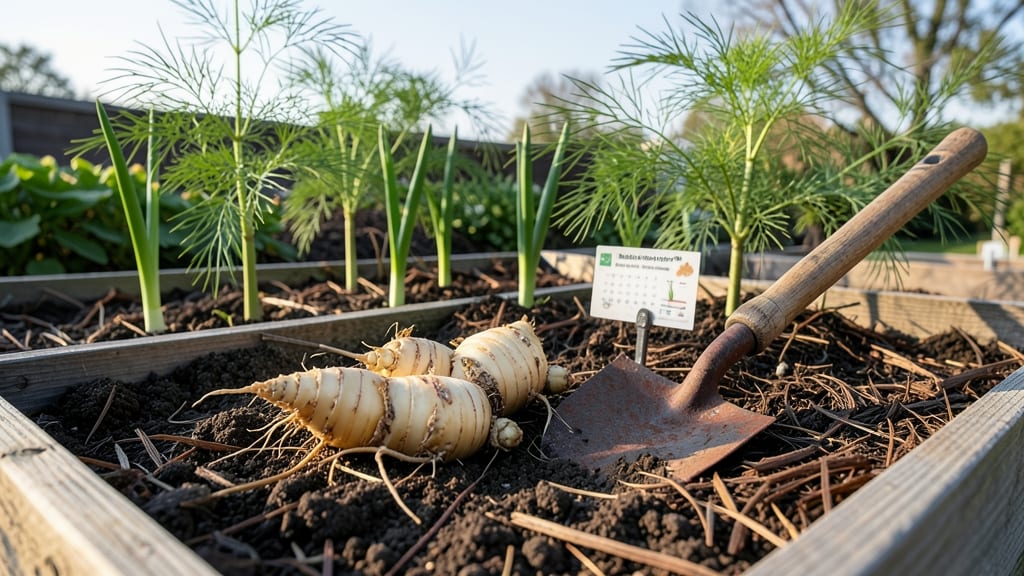
If you're dreaming of a bountiful asparagus harvest in Michigan, timing your planting is everything. The right window—typically between March and April—can mean the difference between a thriving perennial crop and years of frustration.
Michigan's 5b-6b climate demands precision, especially when dealing with frost dates that vary wildly from the Upper Peninsula to Detroit.
You might think asparagus is low-maintenance, but getting those crowns in the ground at the perfect moment is the key to avoiding winter damage or stunted growth. Too early, and the soil stays too cold; too late, and your young plants struggle to establish before summer heat arrives.
I'll walk you through the exact steps to plant asparagus in Michigan, including soil prep and variety selection tailored to your specific region.
What sets Michigan asparagus gardening apart is the need to balance patience with action—your first harvest won't come until year three, but proper planting now ensures decades of spears.
Whether you're a backyard grower or a small-scale farmer, these insights will help you navigate Michigan's unpredictable weather patterns like a pro.
Let's dive into the science behind optimal planting times, soil temperature tricks, and how to choose between spring and fall planting for your zone. By the end, you'll know exactly when to plant asparagus in Michigan—and how to set yourself up for a lifetime of harvests.
Michigan asparagus planting timeline: best months by hardiness Zone
Michigan’s USDA hardiness zones 5b-6b create unique challenges for asparagus growers, but the key to success lies in understanding your last frost dates and soil temperature thresholds.
Most of the state experiences its average last frost between April 15-30, but northern regions like Traverse City can see frost lingering until May 15. This variability means your planting window must be flexible—aim for early spring (March-April) when soil temperatures reach 50°F (10°C) at least 6 inches deep.
For southern Michigan (zones 6a-6b), like Detroit or Kalamazoo, you can plant as early as late March if your soil warms quickly. In northern Michigan (zones 5a-5b), such as Marquette or Sault Ste.
Marie, wait until mid-to-late April to avoid frost damage to young crowns. Fall planting is also possible in zones 6a-6b—aim for late August to mid-September—but only if your soil remains workable and frost isn’t imminent.
Asparagus crowns need 6-8 weeks to establish roots before winter, so planting too late in fall risks poor survival.
In Michigan, this means no later than September 15 in most regions. Jersey Knight and Mary Washington varieties are top choices for Michigan’s climate, with Jersey Knight tolerating colder soils slightly better. Always check your local frost dates using the Michigan State University Extension frost calendar for precision.
One of the biggest mistakes Michigan gardeners make is planting asparagus too early when soil is still cold and wet. Soggy soil leads to root rot, which can kill crowns before they establish.
To test soil readiness, use a soil thermometer—if it reads below 50°F (10°C), wait at least a week. In northern Michigan, this often means delaying planting until late April or early May, even if the air feels warm.
For fall planting, focus on zones 6a-6b where winters are milder. Plant 8-10 weeks before the first expected frost (typically by September 15).
This gives crowns time to develop roots before winter dormancy. Mulch heavily with straw or leaves (4-6 inches) to insulate roots from freeze-thaw cycles, which can be deadly. Avoid planting in zones 5a-5b in fall—crowns won’t have enough time to establish before winter.
If you’re unsure about your exact frost dates, use the Michigan State University Garden Hotline or local Cooperative Extension offices for region-specific advice. They can provide 10-day forecasts and soil temperature updates tailored to your county.
Pro tip: Plant a few crowns in pots indoors in early spring, then transplant outdoors after the last frost—this gives you a head start if your season is short.
Remember, asparagus is a perennial crop that can produce for 15-20 years if planted correctly.
Rushing the process—whether by planting too early or too late—can shorten its lifespan or reduce yields. Patience is key: Wait for the right conditions, and your asparagus bed will reward you with abundant harvests for decades. 🌱
Michigan asparagus planting timeline: best months by hardiness Zone
Timing your asparagus planting in Michigan depends on your USDA hardiness zone (typically 5b-6b) and soil temperature. The ideal window is March through April, when soil warms to 50°F or above.
In northern Michigan (Zone 5b), aim for late April to avoid late frosts, while southern regions (Zone 6b) can start as early as mid-March. Fall planting is risky but possible in September if you have mild winters.
Michigan’s last frost dates vary drastically—April 15 in southern areas but May 15 in the Upper Peninsula. Planting too early risks frost damage, while waiting too long delays root establishment. Use a soil thermometer to confirm readiness; asparagus crowns need consistent warmth to thrive.
Here’s a quick reference for Michigan’s planting zones, including soil temperature thresholds and frost considerations:
| Zone | Best Planting Month | Soil Temp Requirement | Frost Risk | Notes |
|---|---|---|---|---|
| 5b (Northern MI) | Late April | 50°F+ | High (last frost: May 15) | Use cold-hardy varieties like 'Mary Washington' |
| 6a (Central MI) | Mid-April | 50°F+ | Moderate (last frost: April 20) | Best for hybrid varieties like 'Jersey Knight' |
| 6b (Southern MI) | Early March-April | 45°F+ | Low (last frost: April 15) | Longer growing season; fall planting possible |
For fall planting, limit attempts to September in southern Michigan (Zone 6b). Crowns must establish roots before winter, so avoid planting after October 1. Northern zones are too cold for fall success. Always choose 1-year-old crowns from reputable nurseries to ensure vigor.
Michigan’s Great Lakes influence means wet springs can delay planting. Amend heavy clay soil with compost or sand to improve drainage—a critical step for preventing crown rot. Mulch with straw or wood chips after planting to regulate soil temperature and retain moisture during dry spells.
Pro tip: Mark your planting date on a calendar and track soil temps weekly. Asparagus crowns planted at the right time in Michigan can yield spears for 20+ years, making precision worth the effort. Don’t rush—patience now means decades of harvests later.