
Plants
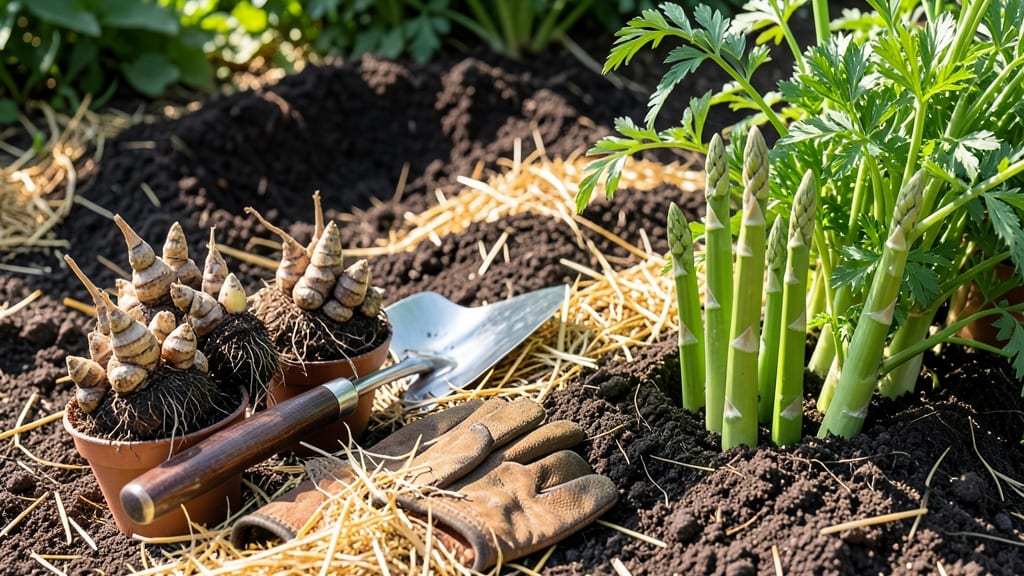
If you're dreaming of harvesting fresh asparagus in Alabama, timing your planting is the key to success—because getting it wrong could mean waiting years for your first spears.
The perfect window exists between Alabama's mild winters and scorching summers, but too early risks frost damage, while too late lets summer heat stall growth.
Alabama's 7b-8b zones offer two ideal planting opportunities: early spring (February-March) or fall (September-October). These months give asparagus crowns the fastest establishment before extreme temperatures arrive. Whether you're a first-time gardener or a seasoned grower, understanding these precise windows makes all the difference.
Let me show you exactly when to plant for maximum success—plus how to prepare your soil and avoid common mistakes that Alabama gardeners often make. You'll learn why some years produce abundant harvests while others struggle, and how to give your asparagus the best possible start in your climate.
With the right timing and care, you could be enjoying homegrown asparagus as early as April—but only if you plant at the perfect moment. Let's get your garden ready for a thriving 🌱 asparagus patch that will reward you for years to come.
Best months to plant asparagus in Alabama’s climate zones
Alabama’s USDA zones 7b-8b offer two ideal windows for planting asparagus: early spring and fall. These periods balance soil temperatures, frost risk, and summer heat—critical factors for crown establishment.
In North Alabama (zones 7b), aim for February-March or September-October, while South Alabama (zones 8a-8b) can extend fall planting to early November before first frost.
Spring planting is best when soil temperatures reach 50°F (10°C), typically by mid-February in most regions. Fall planting, however, should occur 8-10 weeks before the first frost (usually by October 15 in North Alabama and November 1 in South Alabama). This timing allows roots to establish before winter dormancy.
Microclimates matter! Coastal areas like Mobile enjoy warmer winters, so fall planting can stretch to mid-November. Meanwhile, inland cities like Huntsville face earlier frosts, requiring September planting to avoid cold stress. Always check your local Alabama Extension Service frost dates for precision.
Here’s how Alabama’s climate zones break down for asparagus success:
| Zone | Spring Planting Window | Fall Planting Window | Soil Temp Threshold | Key Consideration |
|---|---|---|---|---|
| 7b (North AL) | Feb 15 - Mar 15 | Sep 15 - Oct 15 | 50°F (10°C) | Earlier frost risk |
| 8a (Central AL) | Feb 1 - Mar 30 | Sep 1 - Nov 1 | 50°F (10°C) | Moderate humidity |
| 8b (South AL) | Jan 15 - Apr 15 | Sep 15 - Nov 15 | 55°F (13°C) | Warmer winters |
Spring planting in Alabama offers a longer growing season for crown establishment, but fall planting reduces summer heat stress on young roots. For example, planting in late September gives roots time to develop before winter, while spring planting in March ensures spears emerge before summer’s peak heat.
Both methods work—it’s all about local timing!
Regional microclimates also play a role. Urban areas like Birmingham often experience heat islands, making spring planting slightly riskier due to earlier soil warming. Rural areas with cooler nights may extend fall planting by 1-2 weeks.
Always monitor soil temperatures with a probe—50°F (10°C) is the magic number for active root growth.
Pro tip: If you miss the ideal window, don’t panic! Asparagus crowns can tolerate light frosts, so planting in late October (North AL) or early December (South AL) may still work, though growth will slow dramatically. Just cover with straw mulch (4-6 inches) to insulate roots during cold snaps.
Alabama’s humidity also affects planting. High moisture levels can lead to crown rot if soil isn’t well-draining. Amend clay soils with compost or sand to improve aeration. In sandy soils, add organic matter to retain moisture—both are critical for year-round success.
For maximum yield, combine spring and fall plantings. For instance, plant half your crowns in March and the other half in October. This staggered approach ensures a longer harvest window in years 3-4, when your asparagus bed reaches peak productivity.
Just remember: patience is key—asparagus takes 2-3 years to establish before harvest!
🌱
Best months to plant asparagus in Alabama’s climate zones
Alabama’s USDA zones 7b-8a offer two ideal windows for planting asparagus: early spring (February-March) and fall (September-October). The key is avoiding frost risks while ensuring soil temperatures are warm enough for root establishment.
In North Alabama (cooler microclimates), aim for late February to early March or September 15-October 15. South Alabama’s warmer climate extends your window to January-February or August-September.
Spring planting gives asparagus 6-8 weeks of warm soil before summer heat peaks, while fall planting allows roots to establish before winter dormancy. Both methods yield harvestable spears in the 3rd year, but timing directly impacts crown survival and spear production.
For example, planting in November risks frost damage, while waiting until April delays root growth.
| Season | Ideal Months | Soil Temp | Key Consideration |
|---|---|---|---|
| Spring | Feb-Mar (North) / Jan-Feb (South) | 50-60°F | Avoid frost; mulch heavily |
| Fall | Sep-Oct (North) / Aug-Sep (South) | 60-70°F | Plant 6-8 weeks before frost |
North Alabama’s cooler microclimates (e.g., Huntsville) benefit from fall planting in September-October, allowing roots to harden off before winter. Meanwhile, South Alabama’s warmer winters (e.g., Mobile) extend fall planting to late October and even allow January spring planting.
Always check your local last frost date—typically mid-March in North Alabama and mid-February in the South.
For maximum spear production, prioritize spring planting in February-March when soil temperatures reach 50°F+. This gives asparagus 6-8 weeks of active growth before summer heat.
If you prefer fall planting, September-October ensures roots establish before first frost (mid-November). Pro tip: Use a soil thermometer to confirm 60°F+ soil temps before planting.
Alabama’s humidity and heat can stress young asparagus crowns, so mulching is critical. Apply 3-4 inches of straw or wood chips after planting to retain moisture and regulate soil temperature.
In Zone 8a (South Alabama), extend mulch deeper (4-6 inches) to protect against summer drought. This simple step can double your survival rate in Alabama’s clay-heavy soils.
Remember: Patience is key—asparagus takes 2-3 years to establish. Planting at the wrong time can delay harvest by 6-12 months. Stick to these Alabama-specific windows, and you’ll enjoy fresh spears by spring of year 3! 🌱