
Companion Plants
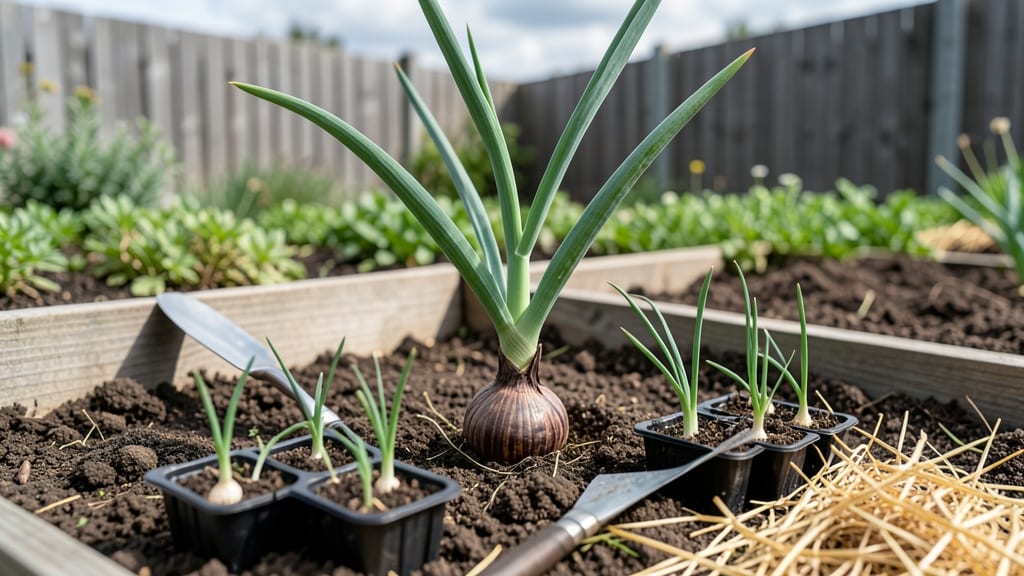
If you've ever wondered when to plant onions in Zone 6 for the best harvest, the answer isn't just about the calendar—it's about understanding your garden's unique rhythm.
Zone 6 gardeners know timing is everything, especially when it comes to onions that need the right balance of chill hours and frost-free days to thrive.
Planting too early can expose your 🧅 to late frosts, while waiting too long might mean smaller bulbs or even no harvest at all.
The key is knowing exactly when to get those onion sets or seeds in the ground, whether you're aiming for a spring crop or a fall planting. With the right approach, you can enjoy fresh onions from late summer straight through to early fall.
I'll walk you through the ideal planting windows for Zone 6, including how to adjust for your specific microclimate and which varieties work best. Whether you're a first-time gardener or a seasoned pro, these insights will help you maximize your onion harvest year after year.
Ready to grow onions that are bigger, healthier, and more flavorful? Let's dive into the perfect timing and techniques that will transform your garden—and your meals—this season.
Zone 6 onion planting timeline: chill-hours & frost-proof dates
Onions in Zone 6 thrive when planted at precise times tied to chill-hour requirements and frost dates. Unlike many vegetables, onions need a specific number of cool days to form bulbs properly.
In Zone 6, this means planning around average last frost dates (April 15) and first frost dates (October 15) while accounting for your variety’s daylight needs.
Most gardeners in Zone 6 plant onions twice: once in early spring (March–April) for a summer harvest and again in late summer (July–August) for a fall harvest. The key is avoiding planting too early when soils are still cold or too late when days grow too long.
Let’s break down the exact windows and why they matter.
Chill hours determine whether you’ll grow short-day, intermediate-day, or long-day onions. Short-day varieties (like Texas Early White) need fewer than 12 hours of daylight to bulb up, while long-day varieties (like Sweet Sandwich) require 14+ hours. Zone 6’s daylight stretches from ~10 hours in winter to 15+ in summer, so timing is critical.
For spring planting, aim to sow seeds or sets 4–6 weeks before your last frost date. In Zone 6, that’s typically early March to mid-April. For fall planting, seed onions 8–10 weeks before your first frost date, landing in late July to early August.
Fall-planted onions mature the following summer, giving you a second harvest.
Soil temperature is just as important as air temperature. Onions won’t germinate well in soils below 40°F (4°C). Wait until soil warms to at least 50°F (10°C)—usually mid-to-late March in Zone 6—to plant spring onions. Fall-planted onions, however, can handle cooler soils as long as they’re not frozen.
Zone 6’s variable weather adds complexity. A late frost in April can devastate young seedlings, while a hot, dry summer can stunt bulb development. To mitigate risks, use row covers for early spring plantings and mulch heavily to retain moisture.
For fall plantings, focus on intermediate-day varieties, which tolerate Zone 6’s longer summer days better than long-day types.
Succession planting is another smart strategy. Instead of one big planting, stagger seeds every 2–3 weeks from March through May. This ensures a continuous harvest and reduces the chance of bolting (flowering) due to heat stress.
For example, plant a batch in early March, another in late March, and a final batch in early April for a staggered harvest from July to September.
If you’re new to onions, start with sets (small bulbs) instead of seeds—they’re easier to time and less finicky about germination. Sets can be planted as soon as soil is workable, usually 2–3 weeks before seeds.
For seeds, wait until soil temperatures are consistently above 50°F (10°C) to avoid poor germination.
Remember: Onions are perennial in Zone 6, meaning they’ll regrow from the same spot year after year if left in the ground. However, their flavor and size diminish after the first harvest.
For best results, replant fresh sets or seeds annually. With the right timing, you’ll enjoy crisp, flavorful onions twice a year—once in summer and again the following year from fall plantings.
Zone 6 onion planting timeline: chill-hours & frost-proof dates
In Zone 6, timing your onion planting is critical—especially since this zone experiences 150-200 chill hours annually. Onions fall into three categories: short-day (best for warmer climates), intermediate-day (ideal for Zone 6), and long-day (better suited for northern zones).
For Zone 6, intermediate-day varieties like 'Texas Early White' or 'Yellow Granex' thrive when planted early spring or late summer.
Your first step is knowing your last frost date, typically around April 15 in Zone 6. Plant onion sets or seeds 4-6 weeks before this date for a spring harvest.
For fall planting, aim for July-August, giving bulbs time to mature before the first frost (usually October 15).
| Planting Window | Chill-Hour Needs | Soil Temperature | Action |
|---|---|---|---|
| Early Spring (March-April) | Intermediate (100-120) | 45-55°F | Plant sets/seeds 4-6 weeks before last frost |
| Late Summer (July-August) | Short-day (50-80) | 60-70°F | Plant 8-10 weeks before first frost |
| Avoid Planting | Long-day (>120) | Below 40°F | Risk of poor bulb formation |
For spring planting, start seeds indoors 8-10 weeks before your last frost date or buy onion sets from nurseries. Direct-sow seeds ½-inch deep, spacing them 1-2 inches apart. In Zone 6, soil temperatures must reach at least 45°F for seeds to germinate properly.
If you prefer fall planting, choose short-day varieties like '1015Y Yellow' or 'Texas Super Sweet'. Plant July 1-August 1 for a harvest the following summer. Use row covers or straw mulch to protect young plants from late-season frosts, which can damage tender shoots.
Remember, succession planting works well for onions. Sow seeds every 2-3 weeks in spring for a staggered harvest. This ensures you have fresh onions from late summer through fall, extending your harvest window in Zone 6’s shorter growing season.
Always monitor your garden’s microclimate. A spot near a south-facing wall or under drip irrigation can provide that extra warmth and moisture onions crave. With the right timing and care, you’ll enjoy plump, flavorful bulbs all season long! 🌱