
Lawn
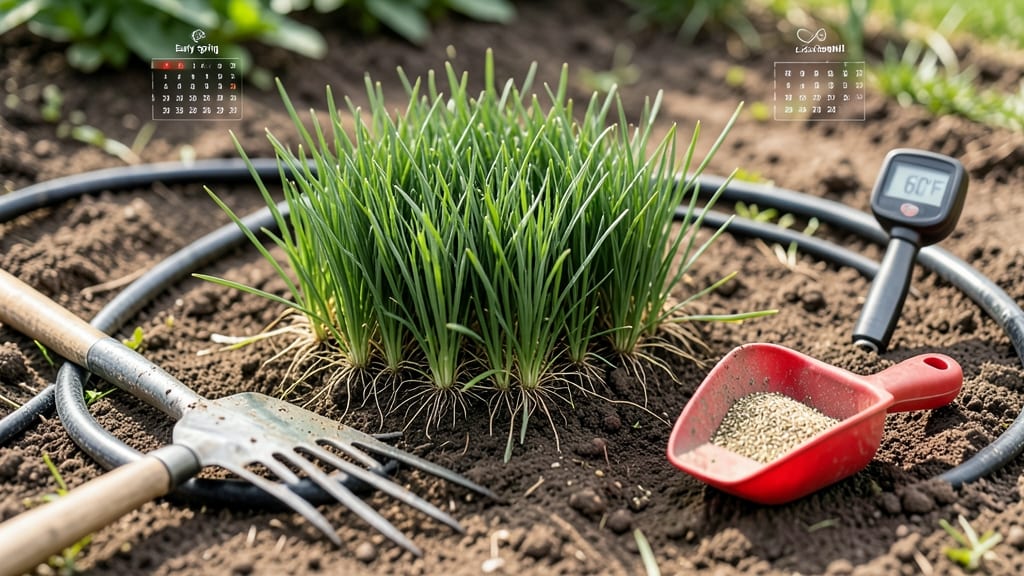
If you’ve ever stared at a patchy Ohio lawn and wondered when to plant grass seed for a lush, fast-growing result, timing is everything.
Ohio’s 6a climate means spring and fall are your golden windows—but plant too early, and frost will sabotage your efforts, while waiting too long lets weeds steal the show. The secret to a thick, weed-resistant lawn lies in understanding Ohio’s microclimates and soil conditions.
I’ve spent years helping Ohio gardeners transform bare spots into vibrant grass, and the fastest results always come from planting at the right moment.
Whether you’re in Cleveland’s cooler north or Cincinnati’s slightly warmer south, the ideal window starts 4-6 weeks before your last frost date—typically late March to early April—and repeats in early fall.
But there’s more to it than just months: soil temperature, moisture, and even your grass type play a role.
In this guide, I’ll break down the exact months to plant for your region, how to prep your soil for fast germination, and which grass varieties thrive in Ohio’s conditions.
No more guesswork—just a step-by-step plan to get your lawn growing strong, whether you’re seeding in spring or fall. Let’s get started.
Ohio’s unpredictable weather can turn a good planting day into a muddy mess or a frost trap, but with the right approach, you’ll outsmart the elements.
By the end, you’ll know exactly when to plant, how to keep weeds at bay, and how to maintain that thick, green carpet all season long. Ready to transform your lawn?
Ohio grass seed planting calendar: exact months by region (north vs. south)
Ohio’s climate varies dramatically between its northern and southern regions, so planting times differ by 50-70 miles. Northern Ohio—think Columbus and Cleveland—has earlier frosts and shorter growing seasons, while southern Ohio—like Cincinnati and Dayton—enjoys warmer springs and falls.
Both regions share the same cool-season grasses (Kentucky Bluegrass, Tall Fescue), but timing is everything to avoid frost damage or weed competition.
For northern Ohio, aim to plant 4-6 weeks before the average last frost date (April 15). This means late March to early April for spring planting, and mid-September to early October for fall.
In southern Ohio, you’ve got a 2-week window later: early April to mid-April in spring and late September to mid-October in fall.
Why the difference? Northern Ohio’s colder microclimates demand earlier planting to ensure seedlings establish before summer heat. Southern Ohio’s warmer soil allows for later starts without risking dormancy. Soil temperature is your best guide: seeds need 50-60°F soil to germinate consistently.
Here’s the golden rule: Cool-season grasses (like Kentucky Bluegrass) thrive when planted in early spring or early fall. Warm-season grasses (like Bermuda) aren’t common in Ohio but would need late spring planting—though they’re rarely recommended for our climate.
| Factor | Northern Ohio (Columbus/Cleveland) | Southern Ohio (Cincinnati/Dayton) |
|---|---|---|
| Average Last Frost | April 15 | April 1 |
| Ideal Spring Planting | Late March–Early April | Early April–Mid-April |
| Ideal Fall Planting | Mid-September–Early October | Late September–Mid-October |
| Soil Temp for Germination | 50–60°F | 50–60°F |
| Risk of Frost After Planting | High (plant early!) | Moderate (1–2 weeks later) |
| Weed Competition Window | May–June | May–June |
The fall window is often overlooked but ideal for Ohio lawns. Planting in September or early October gives seedlings 6-8 weeks to establish before winter.
They’ll wake up stronger in spring and outcompete weeds. Northern Ohio should finish by October 1, while southern Ohio can push to October 15.
Missed the spring window? Don’t panic—late summer (August) is still viable for Tall Fescue, a drought-tolerant option that germinates slower but thrives in Ohio’s heat. Just water daily for 2 weeks to keep soil moist. Fine Fescue, another shade-tolerant choice, can handle late planting too.
Pro tip: Check your local USDA Zone (6a) and microclimate (e.g., hills vs. valleys). Areas near Lake Erie stay cooler longer, while southern Ohio’s river valleys warm up faster. Use a soil thermometer ($10 at garden centers) to confirm 50°F+ soil before planting—this beats guessing!
Remember, weed seeds germinate fastest in warm soil. If you plant in May or June, weeds will steal your lawn’s spotlight. Stick to spring or fall, and you’ll skip the weed wars entirely. 🌱
How to choose the best grass seed type for Ohio’s climate and soil
Ohio’s diverse climate—from humid summers to freezing winters—means not all grass seed varieties thrive equally. The right choice depends on your lawn’s sunlight exposure, soil type, and how much maintenance you’re willing to handle.
For example, Kentucky Bluegrass loves full sun but struggles in shade, while Tall Fescue stays green even in partial shade and handles drought better.
Most Ohio lawns do best with cool-season grasses, which germinate quickly in spring and fall and stay green through mild winters. Warm-season grasses like Bermuda or Zoysia are rare here but can work in southern Ohio’s hotter zones.
Let’s break down the top Ohio-friendly varieties and their pros and cons to help you pick the perfect match for your yard.
🌱 Top Grass Seed Types for Ohio
✅ Spreads aggressively, great for full sun
❌ Needs frequent mowing, weak in shade
✅ Drought-tolerant, shade-friendly, low maintenance
❌ Slower to establish than Kentucky Bluegrass
✅ Best for shade, soft texture, low water needs
❌ Thin growth, not ideal for high-traffic areas
✅ Fast germination, great for overseeding
❌ Needs frequent watering, less drought-resistant
If your lawn gets full sun (6+ hours daily), a 50/50 mix of Kentucky Bluegrass and Tall Fescue is a popular choice for Ohio. This combo balances lush greenery with drought resistance.
For shady areas, opt for Fine Fescue or a Tall Fescue blend, which stays green where sunlight is scarce. High-traffic areas benefit from Tall Fescue’s durability, while Perennial Ryegrass is ideal if you need a lawn to establish quickly—like after renovations.
Ohio’s clay-heavy soils can also influence your choice. Tall Fescue handles compacted soil better than Kentucky Bluegrass, which prefers well-draining conditions. Before planting, test your soil’s pH level (aim for 6.0–7.0) and amend it with compost or lime if needed.
This small step ensures your chosen grass seed germinates evenly and grows strong.
Don’t forget about weed resistance. Many Ohio-friendly blends now include herbicide-tolerant grasses that let you control weeds without harming your lawn. For example, Tall Fescue varieties like ‘Kentucky 31’ naturally outcompete crabgrass. If weeds are a recurring issue, look for seeds labeled “weed-resistant” or “disease-resistant.”
Finally, consider your lawn’s purpose. A family-friendly yard with kids and pets needs durable, low-maintenance grass like Tall Fescue, while a showpiece lawn might justify the extra care of Kentucky Bluegrass.
Whichever you choose, plant at the right time (as we covered earlier) and keep soil moist for the first 30–45 days to give your new grass the best start.