
Plants
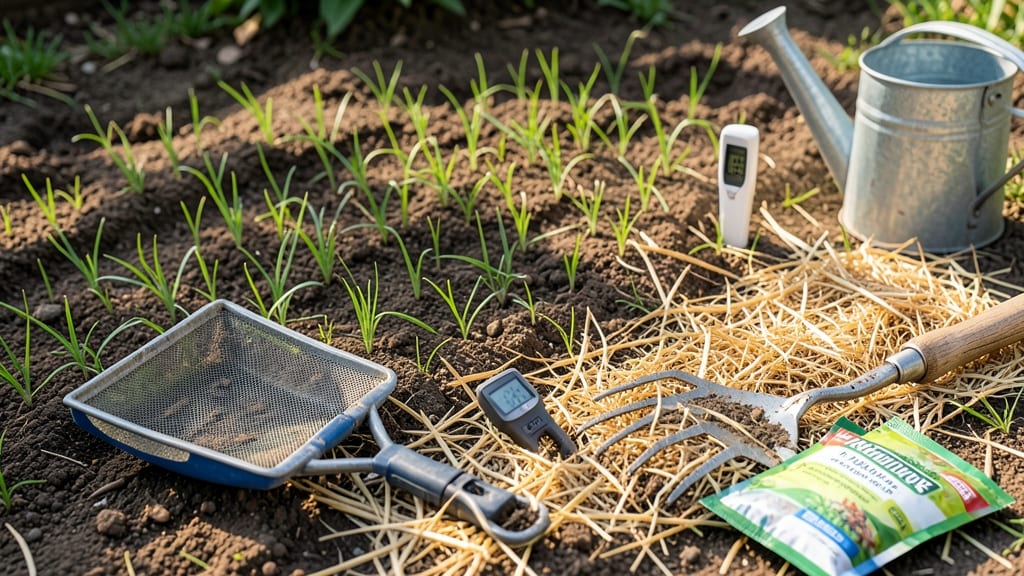
Timing your grass seed planting in Minnesota can make the difference between a lush, green lawn and a patchy, weak one—especially with the state's unpredictable spring frost dates and shifting summer temperatures.
If you've ever wondered when can you plant grass seed in Minnesota without risking wasted effort, the answer lies in two key windows: early spring (April) and late summer/early fall (August-September). These periods align perfectly with soil temperatures that encourage strong root growth while avoiding frost damage.
For Minnesota's USDA zones 4a-5a, the most successful planting happens when soil reaches a steady 50-60°F, typically after the last frost in spring or before the first frost in fall. Northern regions may need to wait until May, while southern areas can start as early as April.
Let me walk you through the exact timing, soil prep steps, and care tips to ensure your grass seed germinates quickly and establishes a thick, resilient lawn that survives Minnesota's harsh winters.
Best months to plant grass seed in Minnesota for strong root establishment
Minnesota’s cool-season climate creates two ideal windows for planting grass seed: early spring and late summer/fall. These periods align with soil temperatures between 50°F and 60°F, which are perfect for germination. The key is avoiding extreme heat or frost, which can stress young seedlings.
For most of Minnesota (USDA zones 4a-5a), the optimal months are April–May and August–September. Northern regions (Zone 4) should lean toward late August to early September, while southern areas (Zone 5) can extend into mid-October if frost isn’t imminent.
Cool-season grasses like Kentucky bluegrass and tall fescue thrive when planted in these windows. They establish deep roots before winter dormancy, ensuring a lush lawn the following spring.
Timing is everything—plant too early, and seedlings may struggle with frost; too late, and they won’t have enough time to root before cold sets in.
Why these months work:
- April–May: Soil warms, frost risk decreases, and consistent rainfall supports germination.
- August–September: Summer heat subsides, and cooler temps reduce stress on new grass.
| Planting Window | Soil Temp | Frost Risk | Grass Types | Success Rate |
|---|---|---|---|---|
| Early Spring (April–May) | 50–60°F | Low (post-last frost) | Kentucky bluegrass, Fine fescue | ⭐⭐⭐⭐☆ (85%) |
| Late Summer (August–September) | 55–65°F | Moderate (4–6 weeks before frost) | Tall fescue, Perennial ryegrass | ⭐⭐⭐⭐⭐ (90%) |
| Fall (October) | 45–55°F | High (risk of early frost) | All cool-season grasses | ⭐⭐☆☆☆ (30%) |
🌱 Late summer/fall planting yields the highest success rate due to ideal soil temps and reduced weed competition.
If you’re planting in early spring, aim for after the last frost date (typically mid-April to early May). Use a light mulch like straw to protect seedlings from late frosts. For late summer/fall, wait until mid-August to allow soil to cool after summer heat.
Minnesota’s variable rainfall also plays a role. August–September often brings steady showers, reducing the need for manual watering. In contrast, spring planting may require daily watering until roots establish (about 3–4 weeks). Always check your local Almanac frost dates to fine-tune timing.
Pro tip: Test your soil temperature with a soil thermometer. Grass seed needs consistent warmth—if temps dip below 50°F, germination slows dramatically. Northern Minnesota (Zone 4) should err on the later side (late August), while southern areas (Zone 5) can push into early October.
Overseeding an existing lawn? The late summer window is ideal because established grass shades out weeds, giving new seedlings a competitive edge. For new lawns, early spring allows grass to mature before summer heat stress.
Remember: Cool-season grasses grow best when planted in fall or early spring. This timing ensures they’re well-established before winter dormancy. Skipping these windows can lead to patchy, weak lawns prone to weeds and disease.
Best months to plant grass seed in Minnesota for strong root establishment
Minnesota’s cool-season grasses like Kentucky bluegrass and tall fescue thrive when planted during two distinct windows: early spring and late summer/early fall. These periods align with soil temperatures between 50-60°F, which is ideal for seed germination and root development.
Planting outside these windows risks frost damage, poor growth, or wasted seed.
For spring planting, aim for mid-April to early May in southern Minnesota (Zone 5), while northern regions (Zones 3-4) should wait until late April to early June.
This timing ensures seeds sprout before summer heat arrives. The late summer/fall window—mid-August to early September—gives grass roots time to establish before winter dormancy.
🌱
Late April to June (North)
Your choice between spring and fall planting depends on your lawn’s current state. New lawns benefit most from spring planting, while overseeding existing lawns in late summer can fill thin patches before winter. Always test soil moisture—seeds need consistent dampness (not soggy soil) to germinate successfully.
One common mistake is rushing to plant in early spring before the last frost. Use a soil thermometer to confirm temperatures are stable above 50°F for at least 5 days. This simple tool prevents wasted seed and ensures strong germination.
For best results, combine planting with 1-2 inches of compost and a light layer of mulch to retain moisture. Water gently twice daily until seeds sprout (about 7-21 days depending on grass type).
✂️