
How To
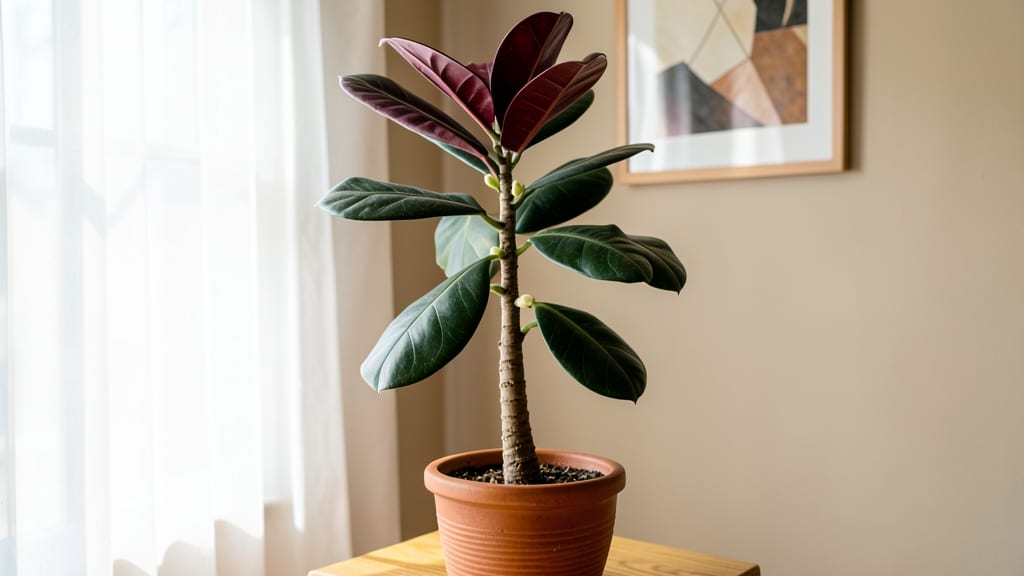
If you've ever wondered how tall does rubber plant grow before it becomes a towering jungle in your living room, you're not alone. This glossy-leaved beauty—Ficus elastica—can surprise even seasoned plant parents with its rapid vertical growth, especially when given the right conditions.
Indoors, a mature rubber plant 🌿 can stretch anywhere from 6 to 10 feet tall, depending on its variety and care routine. That means your ceiling lights might soon become a distant memory if you don’t intervene!
But don’t worry—this isn’t just about letting it grow wild. Understanding its growth habits is the key to keeping it at your desired height.
What you’ll discover here is how to manage its height, whether you’re aiming for a compact 3-foot dwarf or embracing its natural towering form. We’ll break down the factors that control its growth—like pruning, light exposure, and pot size—so you can shape your plant’s future.
Ready to turn your rubber plant into the perfect statement piece (without sacrificing your ceiling space)? Let’s dive into the secrets of controlling its height and keeping it thriving for years to come.

Rubber plant height by variety: indoor growth expectations
Your rubber plant's (Ficus elastica) final height depends heavily on its variety and growing conditions. While some varieties can stretch toward 10 feet indoors, others stay compact under 3 feet with proper care.
Understanding these differences helps you choose the right plant for your space—whether you want a towering statement piece or a petite desk companion.
Standard varieties like 'Black Prince' and 'Tineke' often reach 6–10 feet indoors over 5–10 years, while variegated types like 'Variegata' may grow slightly slower but still hit 5–8 feet.
Dwarf varieties like 'Roxanne' or 'Sheffield Shield' top out at 2–4 feet, making them perfect for small apartments or offices.
Here’s a quick look at how different rubber plant varieties compare in height and growth habits:
| Variety | Mature Height (Indoors) | Growth Rate | Best For |
|---|---|---|---|
| 'Black Prince' | 6–10 ft | Moderate (1–2 ft/year) | Large spaces, statement plants |
| 'Variegata' | 5–8 ft | Slow (6–12 in/year) | Bright light lovers, collectors |
| 'Burgundy' | 6–9 ft | Moderate (1 ft/year) | Medium rooms, deep color contrast |
| 'Roxanne' | 2–4 ft | Slow (4–6 in/year) | Small spaces, desks, shelves |
| 'Sheffield Shield' | 3–5 ft | Moderate (8–12 in/year) | Compact homes, hanging baskets |
If you’re wondering how long it takes for a rubber plant to reach its mature height, standard varieties typically need 5–10 years of consistent care to hit their full potential.
For example, a 'Black Prince' might grow 1–2 feet per year under ideal conditions, while a 'Roxanne' could take 3–5 years to reach just 3 feet. Patience pays off—these plants reward long-term care with lush, glossy foliage!
Outdoors in USDA Zones 9–11, rubber plants can grow even taller—sometimes exceeding 15 feet—since they’re not confined by ceiling heights. However, most indoor gardeners focus on managing height through pruning, light control, and pot size, which we’ll cover in the next section.
Pro tip: Measure your plant’s growth annually by marking the stem with a soft tie or using a ruler. This helps you track progress and adjust care as needed—especially if you’re aiming for a specific height goal.
For varieties like 'Tineke' (with creamy white variegation), growth may be slightly slower due to the energy required to produce those striking leaves. But don’t let that deter you—even slower growers add stunning visual interest to any room!
Factors that control rubber plant height: pruning, light, and pot size
Your rubber plant’s height isn’t just about genetics—light exposure, pruning habits, and pot size play huge roles in whether it stretches toward the ceiling or stays compact.
Bright indirect light (like an east-facing window) encourages slower, bushier growth, while dim corners can trigger leggy, tall stems reaching for sunlight.
Pruning is your secret weapon for height control. Pinching back the tips of young plants promotes branching, while cutting back leggy stems redirects energy to side shoots. For mature plants, heading back (cutting 2-3 inches above a leaf node) forces bushier growth instead of vertical spikes.
Pot size matters too! Small containers restrict root growth, slowing height increases, while oversized pots encourage rapid vertical expansion. Choose a pot just 1-2 inches wider than the root ball to maintain a manageable size.
🌱 Pro Tip: Rotate your plant quarterly to ensure even light exposure, preventing lopsided growth toward windows.
⚠️ Warning: Avoid These Height Mistakes
- Overwatering causes root rot, stunting growth entirely.
- Direct sunlight scalds leaves and triggers rapid, weak stem elongation.
- Neglecting pruning lets plants grow tall and top-heavy, risking falls.
🌿 Fix: Adjust care immediately—trim leggy stems and move to indirect light.
Outdoor rubber plants in USDA Zone 10+ can reach 10+ feet tall without intervention, but indoors, most stay between 6-10 feet unless actively pruned. Even small adjustments—like moving to a brighter spot or pruning annually—can keep your plant at a desk-height instead of ceiling-height.
For fast vertical growth, place your plant in a large pot with low light and minimal pruning. To keep it small, use small pots, bright indirect light, and regular pruning. The choice is yours!