
Plants
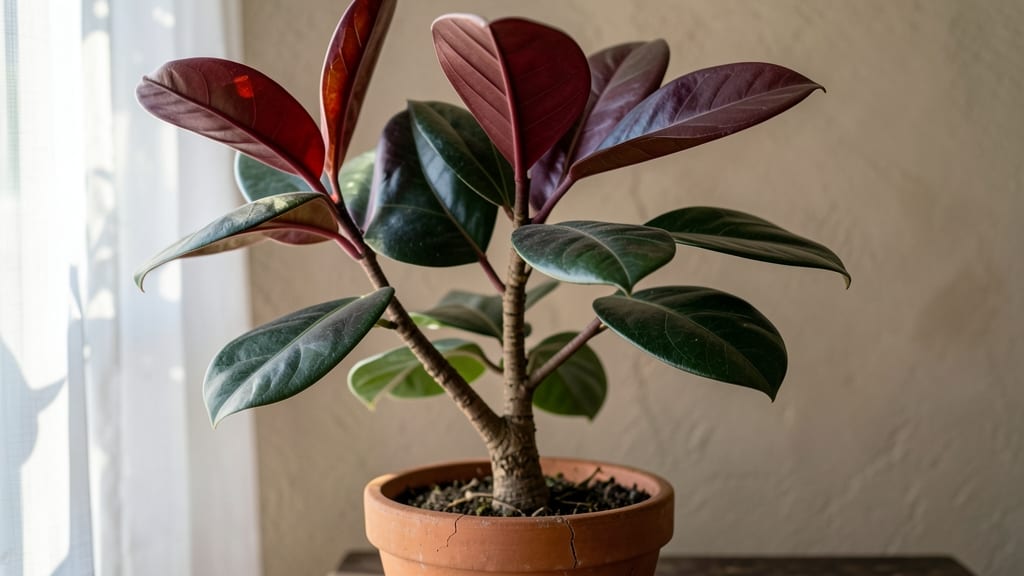
Rubber plant height range: how tall they grow indoors vs. outdoors
The rubber plant (Ficus elastica) is a showstopper in any space, but its final height depends on where you grow it. Indoors, these plants typically reach 3 to 10 feet tall, while outdoors in tropical climates, they can soar to 30 feet or more.
The variety you choose, light exposure, and pruning habits all play a role in how tall your rubber plant becomes.
For example, the 'Black Prince' variety stays compact at 3–6 feet indoors, while the 'Variegata' can stretch toward 10 feet with ideal care. Without pruning, rubber plants grow vertically, but they can also be trained to bush out if you prefer a fuller look.
Understanding these differences helps you plan for the perfect spot in your home or garden.
| Growing Condition | Height Range | Key Varieties | Growth Tips |
|---|---|---|---|
| Indoor (Bright Light) | 3–10 feet | 'Robusta,' 'Black Prince' | Prune to control height; rotate for even growth. |
| Indoor (Low Light) | 3–6 feet | 'Burgundy,' 'Tineke' | Grows slower; avoid overwatering to prevent root rot. |
| Outdoor (Tropical) | 10–30 feet | 'Variegata,' 'Abidjan' | Needs consistent moisture; protect from frost. |
| Outdoor (Subtropical) | 6–15 feet | 'Mickie' | Prune annually to maintain shape; mulch for moisture. |
If you’re growing a rubber plant indoors, its height is largely determined by the amount of light it receives. In bright indirect light, these plants grow faster and taller, while low-light conditions slow growth and may stunt height.
For example, a rubber plant near an east-facing window might reach 6–8 feet in 3–4 years, whereas one in a dim corner could stay under 4 feet.
Outdoor rubber plants, on the other hand, thrive in USDA Zones 9–11 and can grow much taller when given space. In the wild, they’re small trees, but in a home garden, they’ll need regular pruning to keep them manageable.
If you live in a cooler climate, consider growing it as a container plant and bringing it indoors during winter.
Another factor is the container size. Rubber plants in small pots grow slower and stay shorter, while those in large containers or garden beds can reach their full height potential.
For indoor plants, choose a pot that’s 2–3 inches larger in diameter than the root ball to encourage steady growth without overcrowding.
Pruning is your best tool for controlling height. By cutting back the top growth in early spring, you encourage the plant to branch out and stay bushier.
This not only limits height but also creates a fuller, more attractive plant. Just be sure to use clean, sharp pruners to avoid damaging the stems.
For those who love the idea of a towering rubber plant but lack ceiling space, consider training it vertically using a trellis or moss pole. This method allows you to guide the plant upward while keeping its footprint small.
It’s a great way to enjoy the plant’s dramatic foliage without sacrificing floor space.
If you’re wondering how long it takes for a rubber plant to reach its mature height, expect 3–5 years indoors with proper care. Outdoor plants may reach their full size faster, especially in warm climates.
Patience and consistent care will reward you with a stunning, leafy giant that’s sure to be the centerpiece of your space.
Remember, the key to managing a rubber plant’s height is a mix of light control, pruning, and container size. With these tips, you can enjoy a plant that’s as tall—or as short—as you’d like, all while keeping it healthy and thriving.
Rubber plant height range: how tall they grow indoors vs. outdoors
Your rubber plant (Ficus elastica) can grow into a true indoor giant—reaching 6 to 10 feet tall indoors with proper care. However, its growth potential skyrockets outdoors in tropical climates, where it can tower up to 30 feet or more.
The key difference? Indoor growth is controlled by light, space, and pruning, while outdoor plants stretch toward the sky with minimal restraint.
Popular varieties like 'Robusta' and 'Burgundy' typically stay on the taller side, while 'Variegata' (with its striking white stripes) grows slightly slower but still reaches 5 to 8 feet indoors. Understanding these ranges helps you plan for container size or garden space before your plant outgrows its home.
| Growth Factor | Indoor Height | Outdoor Height |
|---|---|---|
| Standard Varieties | 6–10 ft | 15–30 ft |
| Dwarf Varieties | 3–5 ft | 8–12 ft |
| Growth Rate | 1–2 ft/year | 3–5 ft/year |
| Light Needs | Bright indirect | Full sun to partial shade |
Light exposure is the biggest factor in controlling height. Indoor rubber plants thrive near east or north-facing windows where they get 4–6 hours of filtered light daily. Without enough light, growth slows dramatically, and leaves may become smaller and paler.
Outdoors, they bask in direct sunlight, fueling rapid vertical growth—just be prepared for larger pruning tasks!
Pruning plays a critical role in managing height. Regularly trimming the top 2–3 inches of stems encourages bushier growth, while pinching back new shoots keeps the plant compact. Without pruning, your rubber plant will grow taller and leggier, with sparse foliage near the base.
Think of it as training a tree—guide its shape early to avoid a top-heavy mess later.
Container size matters too. A 10-inch pot is ideal for young plants, but mature rubber plants need 12–15 inches of depth to support their roots. If you’re growing outdoors, ensure the soil is well-draining to prevent root rot, which can stunt growth.
In containers, repot every 2–3 years to give roots room to expand.
For those in USDA Zones 9–11, outdoor rubber plants can thrive year-round, while cooler climates may need to bring them indoors before winter. Even indoors, they reward patience—with proper care, a 5-year-old rubber plant can reach 8 feet tall, making it a dramatic centerpiece for any space.