
Plants
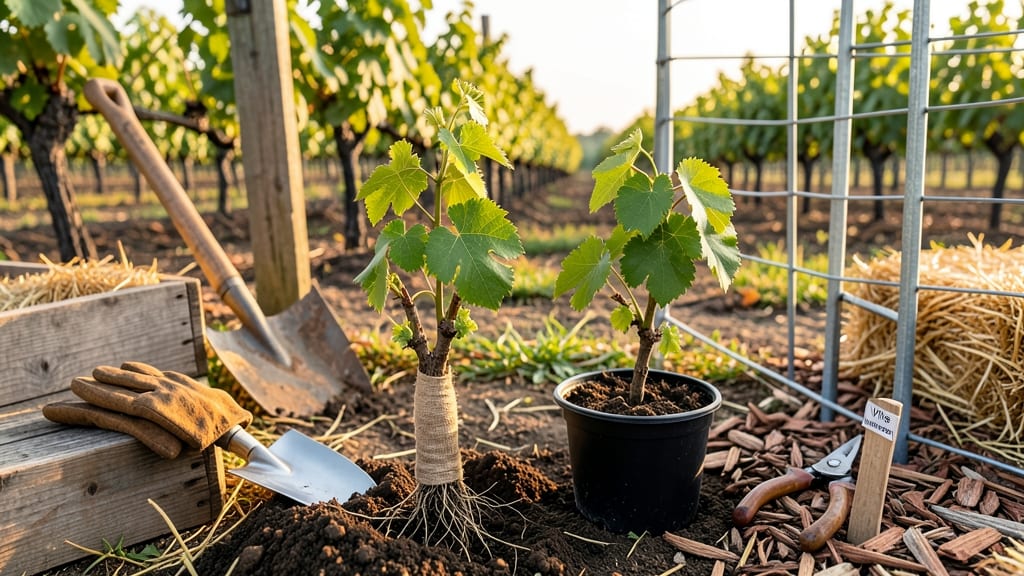
Planting grapes in Colorado isn’t just about waiting for spring—it’s about mastering the delicate balance between elevation, frost dates, and your local microclimate. Whether you’re in the plains or the mountains, timing your 🍇 vines just right can mean the difference between a bountiful harvest and a frozen disappointment.
Colorado’s diverse USDA zones 5-8 create wildly different planting windows, with high-altitude areas needing a later start than the Front Range. I’ve seen gardeners rush their vines into the ground too early, only to watch them wilt when late frosts strike—don’t let that be you.
In this guide, I’ll break down the exact planting windows for your specific elevation zone, plus proven strategies to outsmart Colorado’s unpredictable weather. You’ll learn which grape varieties thrive in your neck of the woods and how to prepare your soil for maximum success.
Ready to grow grapes that rival Napa’s? Let’s get started with the planting timeline that actually works for Colorado’s climate.
Colorado grapes planting timeline by elevation Zone (with frost risk maps)
Colorado’s dramatic elevation shifts—from the Front Range plains to the Rocky Mountain peaks—mean your grape planting window could vary by 6+ weeks. Lowland areas like Denver (5,280 ft) enjoy longer growing seasons, while mountain regions (7,000+ ft) face shorter frost-free periods.
Timing isn’t just about last frost dates; it’s about matching your USDA zone (5–8) with the right grape variety and microclimate.
For table grapes like Concord or Thompson Seedless, aim for late April to early June in lowlands, while wine grapes such as Frontenac or Marquette thrive when planted after May 15 in higher elevations. The key? Soil temperature must stay above 50°F (10°C) for 2+ weeks before planting.
Here’s how to align your planting with Colorado’s three elevation zones, including frost risk maps and variety-specific windows:
| Elevation Zone | USDA Zone | Last Frost (Avg.) | Planting Window | Best Varieties | Frost Risk |
|---|---|---|---|---|---|
| Lowland (2,500–5,000 ft) | 6–7 | April 15–May 1 | Late April–early June | Thompson Seedless, Concord, Chardonnay | Low (May–Sept) |
| Foothills (5,000–7,000 ft) | 5–6 | May 1–May 15 | Mid-May–early June | Frontenac, Marquette, Riesling | Moderate (late May–June) |
| Mountain (7,000+ ft) | 4–5 | May 15–June 1 | Late May–July 4 | Valvin Muscat, Frontenac Gris, Cabernet Franc | High (June–Sept) |
In Denver (Zone 6), for example, Thompson Seedless grapes planted in mid-May will have 150+ frost-free days to ripen, while the same variety in Fort Collins (Zone 5) needs a June 1 start to avoid late-spring frosts. High-altitude vineyards in Grand Junction (Zone 7) can push planting to early June thanks to warmer days and cooler nights.
For wine grapes, prioritize cold-hardy varieties like Frontenac, which tolerates Zone 4 and thrives in mountain microclimates.
These grapes benefit from later planting (June 1–15) to avoid bud break during late frosts. Table grapes, however, need earlier planting (April–May) to maximize fruit set before Colorado’s short summer.
Use soil thermometers to confirm 50°F (10°C) soil temps before planting—cold soil delays root establishment. In urban areas, heat islands can create microclimates 5–10°F warmer than rural zones, potentially extending your planting window by 1–2 weeks. Monitor local weather stations like MesoWest for real-time adjustments.
Fall planting is risky in Colorado due to early frosts, but bare-root vines can be planted in October if soil temps stay above 40°F (4°C).
This method is popular for wine grapes in Zone 5–6, where vines establish roots before dormancy. Never plant in winter—frozen soil prevents root growth.
Colorado’s western slope (e.g., Palisade) enjoys 300+ frost-free days, allowing year-round grape production with multiple harvests. If you’re in this region, extend your planting to August for fall varieties like Muscat. For most gardeners, though, June 1–July 4 is the sweet spot for reliable harvests.
🍇 Key Takeaway:
How to adjust planting dates for Colorado’s unpredictable spring weather
Colorado’s spring frost risks can throw off even the most careful gardener. Unlike predictable climates, our mountain valleys and urban heat islands create wildly different frost-free dates—sometimes just miles apart.
For grapes, planting too early risks frost damage, while waiting too long may shorten the growing season below what vines need to ripen fruit.
My first year planting Concord grapes in Denver, I lost two vines to a late April frost. Since then, I’ve learned to use soil thermometers and local CoCoRaHS frost alerts to fine-tune my timing.
Here’s how I adjust planting dates to match Colorado’s unpredictable spring weather—without gambling on your harvest.
🌱 Key Rule: Never plant bare-root grapes until soil temps reach 60°F (15°C) for 5+ consecutive days. This ensures roots wake up safely before shoots emerge. Use a soil thermometer (not air temp!) to confirm—air temps can be misleading in high-altitude zones.
Check Last Frost Dates by Microclimate
Use Colorado State University’s frost maps or local CoCoRaHS stations. Mountain regions (7,000+ ft) often have 2–3 weeks later frost-free dates than Front Range cities.
Add 10–14 days buffer to average frost dates. Example: If your area’s last frost is May 10, wait until May 24 to plant.
For high-altitude gardens (8,000+ ft), delay until June 1 or use row covers to extend the season.
Urban gardeners: South-facing walls warm up faster—plant 1–2 weeks earlier there than in open fields.
Another trick I swear by is warming the soil in cold springs. Lay down black plastic mulch 2–3 weeks before planting to raise soil temps by 5–10°F.
For container-grown grapes, use heat mats under pots until roots establish. This shaves critical days off your planting timeline in short-season zones like Grand Junction or Steamboat Springs.
If you’re in a foothills microclimate, watch for inversion layers—where cold air pools in valleys while hillsides warm up. Plant hillsides 2 weeks earlier than valley floors. And always have frost cloth ready for the first 30 days after planting, just in case.
Pro tip: Transplant container-grown grapes (not bare-root) if your spring is unusually cold. Potted vines can handle cooler soils and give you a 2-week flexibility window. Just water deeply the day before transplanting to reduce shock.
Finally, remember that Colorado’s growing season shrinks by 3–5 days per 1,000 ft elevation gain. If you’re above 7,500 ft, focus on early-ripening varieties like Frontenac or Valiant—they’ll thank you with a reliable harvest despite the short season. 🌿