
Plants
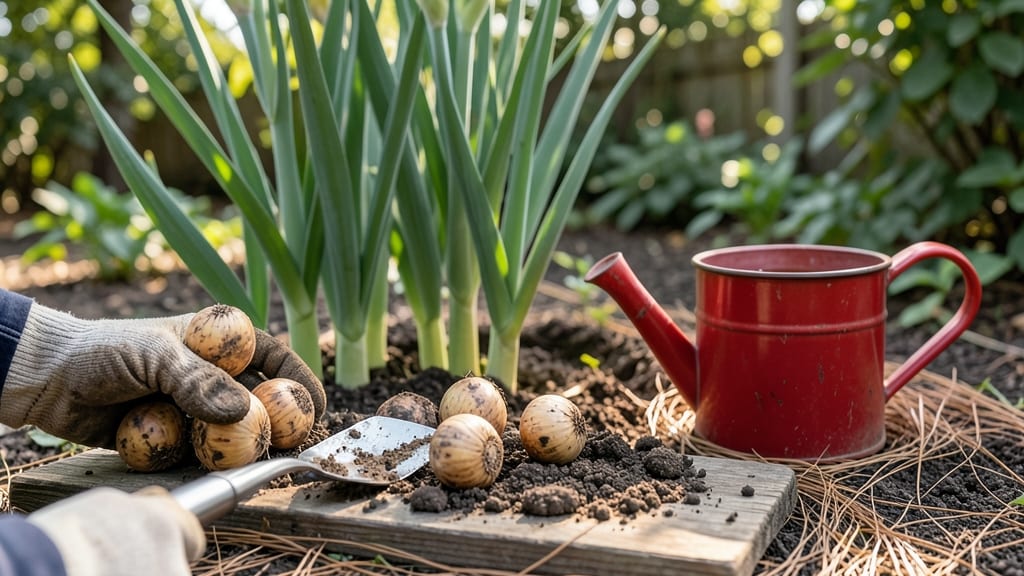
Best planting months for gladiolus in Florida’s climate zones
Gladiolus thrives in Florida’s warm climate, but timing is critical to avoid heat stress or missed blooms. The ideal window depends on your region—North Florida’s cooler winters allow earlier planting than South Florida’s year-round heat.
Most gardeners aim for August-September for fall blooms or February-March for spring displays. Let’s break down the science behind these windows.
Florida spans USDA Zones 8a-11, meaning frost risk varies dramatically. While South Florida (Zone 10-11) rarely sees frost, North Florida (Zone 8a-9b) may experience light freezes in December. Gladiolus corms won’t survive frost, so adjust planting to avoid late-season cold snaps.
For example, in Jacksonville (Zone 8b), plant by mid-September to finish blooming before December’s rare frost.
Soil temperature is another key factor. Gladiolus corms need consistent warmth to sprout—aim for 60-65°F soil temps. In Central Florida (Zone 9a-9b), this typically aligns with late July-August for fall blooms. Use a soil thermometer to confirm readiness, especially if your summer was unusually cool or hot.
For spring blooms, plant in February-March across all regions. This timing ensures flowers appear by April-May, when Florida’s humidity peaks—perfect for vibrant displays. However, South Florida gardeners can push planting to January if using shade cloth to protect corms from intense midday sun.
| Florida Region | USDA Zone | Best Planting Window | Bloom Season | Key Consideration |
|---|---|---|---|---|
| North Florida | 8a-9b | August-September (fall) or February-March (spring) | October-November or April-May | Avoid December frost |
| Central Florida | 9a-9b | Late July-August (fall) or January-February (spring) | September-October or March-April | Soil temp must reach 60°F+ |
| South Florida | 10a-11 | June-July (fall) or December-January (spring) | August-September or February-March | Use shade cloth for summer planting |
Pro tip: Container gardening extends your planting options. In South Florida’s heat, grow gladiolus in pots with well-draining mix and move them to partial shade during peak afternoons (12 PM–4 PM). This mimics the cooler microclimates of North Florida, letting you plant as late as July for fall blooms.
For year-round blooms, stagger plantings every 4-6 weeks from February to September. This creates a continuous display while avoiding overcrowding. Just remember: gladiolus corms are not frost-tolerant, so always monitor local forecasts and protect plants if temperatures drop below 40°F.
Soil preparation is equally critical. Gladiolus hates soggy roots, so amend your beds with compost and perlite to improve drainage. In heavy clay soils (common in Central Florida), raise beds or plant in mounds to prevent waterlogging.
A pH of 6.0-6.8 ensures optimal nutrient uptake for those show-stopping spikes.
Finally, avoid planting during Florida’s rainy season (June-September). Excess moisture can rot corms before they sprout. Instead, plant in dry spells or use drip irrigation to keep soil consistently moist without oversaturating.
With the right timing, your gladiolus will reward you with bold, long-lasting blooms that outshine even Florida’s brightest days.
How to adjust planting timing for Florida’s unpredictable weather
Florida’s weather can shift from sunny skies to sudden storms in hours—so flexibility is key when planting gladiolus. Unlike northern states, we don’t have to worry about frost damage, but heatwaves and humidity can stress your corms if planted at the wrong time.
The trick? Monitor soil temperatures and adjust your schedule based on local forecasts. For example, if a 90°F+ heatwave is forecasted, delay planting until evening or wait for cooler conditions.
Even in frost-free Florida, northern regions like Jacksonville or Gainesville can experience light frosts in December. If you’re planting for fall blooms, aim to get corms in the ground by mid-October to avoid any unexpected chills.
In South Florida (Miami, Fort Lauderdale), you’ve got more leeway—planting through November is usually safe, thanks to warmer winters.
⚠️ Watch for These Weather Red Flags
Heatwave Alert: If temps hit 95°F+ for 3+ days, delay planting until evening or use shade cloth to protect corms.
Rain Deluge: Avoid planting during heavy downpours—soil becomes waterlogged, risking rot. Wait for 2-3 dry days.
Unexpected Frost: Check your local frost date (even in Florida!). Use row covers if planting late in North Florida.
To extend your planting window, use mulch (straw or pine needles) to regulate soil temperature. A 3-inch layer keeps roots cooler in summer and warmer in winter. For container gardening, move pots to shaded areas during peak heat and bring them back to full sun as temperatures dip.
This tactic works especially well for balcony gardens or small spaces where microclimates vary dramatically.
Pro tip: Plant gladiolus corms in stages—start with a few in July-August for early fall blooms, then add more in September-October for a prolonged display.
This staggered approach ensures you’re not left with wilting blooms if a sudden heatwave hits. Plus, it gives you a longer harvest window for cutting flowers.
Don’t forget to test your soil before planting. Gladiolus prefer well-draining soil with a pH of 6.0–7.0. If your soil is heavy clay (common in Florida), amend it with compost or sand to improve drainage.
Poor drainage leads to corm rot, especially during Florida’s humid summers. A simple percolation test (pouring water on soil and checking drainage speed) can save your plants from disaster.
Finally, keep an eye on hurricane season (June–November). If a storm is forecasted, secure your garden by staking taller varieties or moving containers to a sheltered spot. Gladiolus are wind-tolerant, but flying debris can damage leaves or stems.
After a storm, check for pests like slugs or earwigs, which thrive in damp conditions and can munch on young shoots.