
Plants
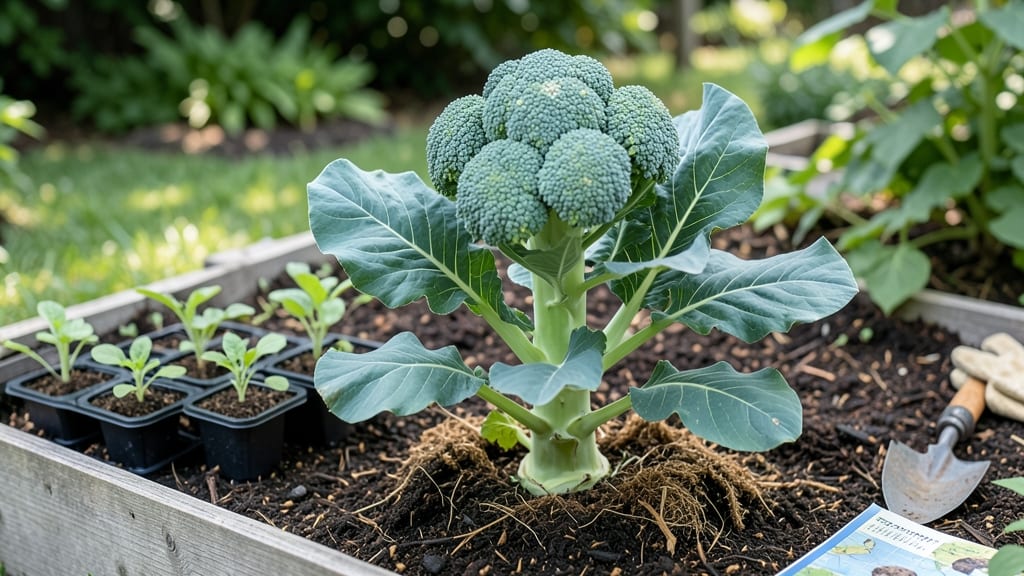
Timing your broccoli 🥦 planting in North Florida isn’t just about following a calendar—it’s about outsmarting the heat and humidity that can turn your crop into bitter disappointment.
Unlike cooler climates, Florida’s Zone 8a demands precision to avoid bolting, and getting it wrong means watching your plants flower before they’re ready to harvest.
I’ve spent years growing broccoli here, and the difference between a thriving garden and a failed experiment often comes down to just a few weeks of perfect timing.
Whether you’re a first-time gardener or a seasoned pro, knowing exactly when to plant—whether it’s late summer for fall crops or early spring for spring harvests—can mean the difference between a bountiful table and empty shelves.
What most guides won’t tell you is how North Florida’s microclimates—from Jacksonville’s coastal breezes to Tallahassee’s inland heat—change the rules. I’ll break down the exact planting windows that work for your specific corner of the state, plus the secret tricks to keep your broccoli cool and happy until harvest.
Ready to grow broccoli that actually tastes sweet and crisp? Let’s dive into the microclimate-smart schedule that’ll have you harvesting heads from November through June—without a single bitter bolt in sight.
North Florida broccoli planting calendar: avoid bolting with these exact months
North Florida’s USDA Zone 8a climate creates unique challenges for growing broccoli. Unlike northern states, we don’t have harsh winters or long frost periods—but our warm winters and summer humidity can trigger premature bolting if you plant at the wrong time.
The key is planting when daytime temperatures stay below 75°F (24°C) and nights dip below 60°F (15°C).
Broccoli thrives in North Florida’s fall and spring seasons when temperatures are cooler. The ideal planting windows are late August to early September for a fall harvest and February to early March for spring.
These timings align with our 215 frost-free days and avoid the brutal summer heat that causes bolting.
Here’s how to align your planting with North Florida’s microclimates. Coastal areas like Jacksonville have slightly warmer winters, while inland cities like Tallahassee experience cooler temperatures. Gainesville falls in between, with moderate winter lows that can drop into the 30s°F (-1°C) during rare cold snaps.
Your first frost date in North Florida typically arrives around November 15, and the last frost is usually March 15.
To avoid bolting, plant your fall broccoli 4-6 weeks before the first frost (around late September) and your spring broccoli 6-8 weeks before the last frost (around early February).
| Planting Window | Target Months | Ideal Temp Range | Harvest Window | Microclimate Notes |
|---|---|---|---|---|
| Fall Planting | Late August - Early September | 50-75°F (10-24°C) | November - December | Jacksonville: Plant earlier (late Aug). Tallahassee: Wait until early Sept. |
| Spring Planting | February - Early March | 55-70°F (13-21°C) | May - June | Gainesville: Start in late Feb. Coastal areas: Delay until early March. |
| Succession Planting | Every 2-3 weeks | 50-65°F (10-18°C) | Ongoing harvests | Best for urban gardens with limited space. |
If you miss the ideal windows, don’t panic—you can still try planting in October or April, but expect slower growth and higher bolting risks.
For example, an October planting might produce heads by December or January, but the quality will suffer if temperatures creep above 70°F (21°C) during the day.
North Florida’s humidity and heat can stress broccoli plants, so always choose bolt-resistant varieties like ‘De Cicco’ or ‘Waltham 29’ when planting outside the ideal windows. These varieties tolerate slightly warmer conditions better than standard types.
For a continuous harvest, practice succession planting every 2-3 weeks during your ideal windows. This ensures you always have mature heads ready to pick while others are still developing. Just be sure to space plants 18-24 inches apart to prevent overcrowding and disease.
Always monitor your local weather forecasts for unexpected cold snaps. While North Florida rarely sees frost, a 32°F (0°C) night can damage young plants. Use row covers or cold frames if temperatures dip below 40°F (4°C) during critical growth stages.
Finally, remember that soil temperature matters. Broccoli seeds need soil temps between 40-85°F (4-29°C) to germinate properly. In North Florida, soil stays warm year-round, but late summer plantings may need light shade cloth to prevent overheating.
5 Microclimate hacks to extend broccoli’s growing season in North Florida
North Florida’s humidity spikes and unpredictable heat waves can turn your broccoli plants into bolting disasters if you’re not strategic. But with the right microclimate hacks, you can stretch the growing season by 4-6 weeks—even in Jacksonville’s coastal heat or Gainesville’s inland dryness.
The key? Adjusting for your specific zone while keeping plants cool enough to resist flowering.
First, shade cloth is your best friend during spring and fall transitions. A 30-40% shade cloth (installed by late February for spring or mid-August for fall) can drop soil temps by 10-15°F, delaying bolting.
Pair this with reflective mulch—white landscape fabric or even aluminum foil—to bounce back heat during afternoon sun. This combo works especially well in urban heat islands where pavement radiates extra warmth.
For coastal gardens like those in Jacksonville, delay planting by 1-2 weeks compared to inland areas. The ocean breeze can actually help, but salt spray is a hidden enemy—rinse soil before planting if your yard is near the shore.
In contrast, Gainesville’s inland heat demands earlier starts (late July for fall crops) to beat the 90°F+ afternoons that trigger bolting.
Succession planting is another game-changer. Instead of one big batch, sow small batches every 2 weeks from late July to early September for fall, or February to March for spring. This ensures a continuous harvest and spreads out the risk of heat stress. Pair this with dwarf varieties like ‘De Cicco’—they mature faster and handle Florida’s unpredictable springs better than towering types.
Finally, monitor soil temps with a cheap digital probe (aim for 60-75°F for germination). If your soil hits 80°F+, broccoli seeds may rot before sprouting.
In these cases, start seeds indoors under grow lights 4-6 weeks before your target outdoor date, then transplant when nights dip below 75°F. This two-step method is how local farmers in Zone 8a consistently beat the heat.
With these microclimate tweaks, you’ll turn North Florida’s challenges into advantages—bolting-proof broccoli that thrives when others fail. 🌱