
Plants
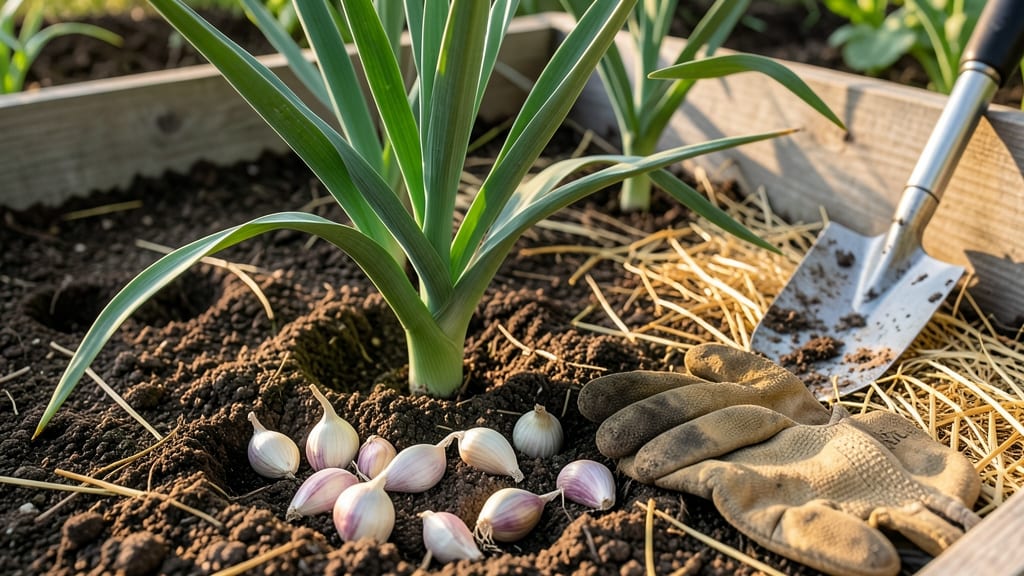
Planting garlic in Zone 10a feels like walking a tightrope—get the timing wrong, and you’ll either end up with bolting scapes or weak, underdeveloped bulbs.
The key to growing juicy, plump 🧄 lies in understanding your region’s unique climate, where mild winters and summer heat demand a different approach than cooler zones.
Unlike northern gardeners who plant in fall, Zone 10a growers have a slightly extended window from October through March, but the real secret is planting 4-6 weeks before winter rains kick in.
This ensures your cloves establish roots before the cooler months set in, giving them the head start they need to thrive.
I’ll show you exactly how to time your planting for your specific microclimate—whether you’re in the coastal breezes of Southern California or the desert edges of Phoenix. We’ll also cover soil prep, variety selection, and how to avoid the dreaded bolting that ruins so many crops.
Ready to grow garlic that’s bold, flavorful, and bountiful? Let’s dive into the strategies that actually work for Zone 10a’s tricky growing conditions.
Optimal planting windows for Zone 10a garlic to prevent premature bolting
In Zone 10a, where winters are mild and summers scorching, timing your garlic planting is everything. Unlike cooler zones, garlic here must establish roots before heat stress triggers bolting.
The ideal window is a narrow 6-week span from mid-October to late November, when soil temps hover between 60–70°F.
This timing ensures cloves sprout before winter rains arrive, giving roots time to anchor before dormancy. Planting too early risks bolting (flowering), while late planting may leave garlic stunted by summer heat.
Southern California’s coastal areas can adjust slightly later, but inland zones like Phoenix should plant 4–6 weeks earlier.
Here’s why this window works: October–November soil stays warm enough for root growth but cools slightly at night, mimicking garlic’s native Mediterranean climate. By December, garlic enters dormancy, emerging again in February–March for harvest the following June–July.
| Stage | Action | Key Notes |
|---|---|---|
| Soil Prep | Test pH (6.0–7.0), amend with compost | Use well-draining soil to prevent rot |
| Planting Window | Mid-October to late November | Avoid summer heat stress |
| Depth & Spacing | 2" deep, 4–6" apart | Pointy end up for faster sprouting |
| Post-Planting | Mulch with 2" straw | Retains moisture, regulates soil temp |
For coastal Zone 10a gardeners, aim for late October planting to align with winter rains. Inland areas should plant by mid-October to avoid summer heat. Use hardneck varieties like ‘California Early’ for milder winters, or softneck types like ‘Artichoke’ for heat tolerance.
Pro tip: Plant a test row in September to monitor soil temps. If cloves sprout before winter, they’ll bolt prematurely. Adjust your main planting date accordingly. This trial-and-error step saves your entire crop from failure.
After planting, water deeply once to settle soil, then reduce to bi-weekly watering until rains begin. Overwatering in warm soil speeds up bolting, so let the soil dry slightly between waterings. Mulch heavily to insulate roots during day-night temp swings.
Zone 10a’s no-frost rule means garlic grows year-round, but the key is cool-season establishment. By planting in October–November, you ensure bulbs mature before summer’s 90°F+ heat triggers flowering. This strategy guarantees plump, flavorful bulbs instead of skinny, pungent scapes.
Remember: Staggered planting works too! Plant half your cloves in October and the rest in November for a prolonged harvest. This spreads risk and gives you garlic from June through August.
If you miss the October–November window, don’t despair. You can still plant in December–January, but expect smaller bulbs. The critical factor is soil temperature—keep it below 75°F at planting to prevent bolting.
For Phoenix gardeners, where summers are extreme, consider shade cloth over newly planted garlic to lower soil temps. A 30% shade cloth reduces heat stress while allowing light penetration. This hack extends your planting window into early December.
Optimal planting windows for Zone 10a garlic to prevent premature bolting
In Zone 10a, where winters are mild and summers scorching, timing your garlic planting is everything. Unlike colder zones, you won’t rely on frost to trigger dormancy—your garlic needs cool soil and consistent moisture to establish roots before summer heat arrives.
The ideal window is a 6-week stretch from mid-October to late November, when daytime temps hover around 70–75°F and nights dip into the 50s.
This timing ensures garlic develops a strong root system before winter rains taper off. Planting too early (September) risks premature bolting—when garlic sends up flower stalks instead of forming bulbs—while late planting (December+) may leave it vulnerable to heat stress as temps rise.
Southern California’s coastal areas can push this window slightly later (November–December), but inland zones like Phoenix outskirts should aim for October.
Soil temperature is your best guide: aim for 60–70°F at planting depth (2 inches). Use a soil thermometer to check—if temps exceed 75°F, wait 2–3 weeks. Pro tip: Morning planting (before 10 AM) minimizes heat stress on freshly planted cloves.
| Zone 10a Planting Window | Key Conditions | Action Steps |
|---|---|---|
| Mid-October | Soil: 60–70°F, Days: 70–75°F | Plant cloves 2" deep, 4–6" apart |
| Late November | Soil: 55–65°F, Nights: 50–55°F | Mulch with 2" straw to retain moisture |
| December–February | Cool, wet winters | Reduce watering; let roots establish |
| March–April | Soil warms above 70°F | Apply shade cloth if temps exceed 80°F |
For staggered planting (to extend harvest), sow a second batch in late January. This works well in cooler microclimates like Santa Barbara or San Diego’s inland valleys, where winter lows drop into the 40s.
In Phoenix, avoid January planting—summer heat arrives too quickly, and garlic will bolt before bulbing.
Watch for sprouting shoots 2–3 weeks after planting. If your garlic emerges in hot weather (above 80°F), provide 30–50% shade with a lightweight cloth. This slows growth and prevents premature bolting, which turns your garlic into scapes instead of bulbs.
Mulch with straw or wood chips to keep soil temps stable and moisture consistent.
Remember: Zone 10a garlic is a winter crop, not a summer one. The goal is to let it grow slowly through cool months, then harvest before summer heat triggers bolting.
With the right timing, you’ll enjoy plump, flavorful bulbs by June or July—just in time for summer cooking! 🧄