
Plants
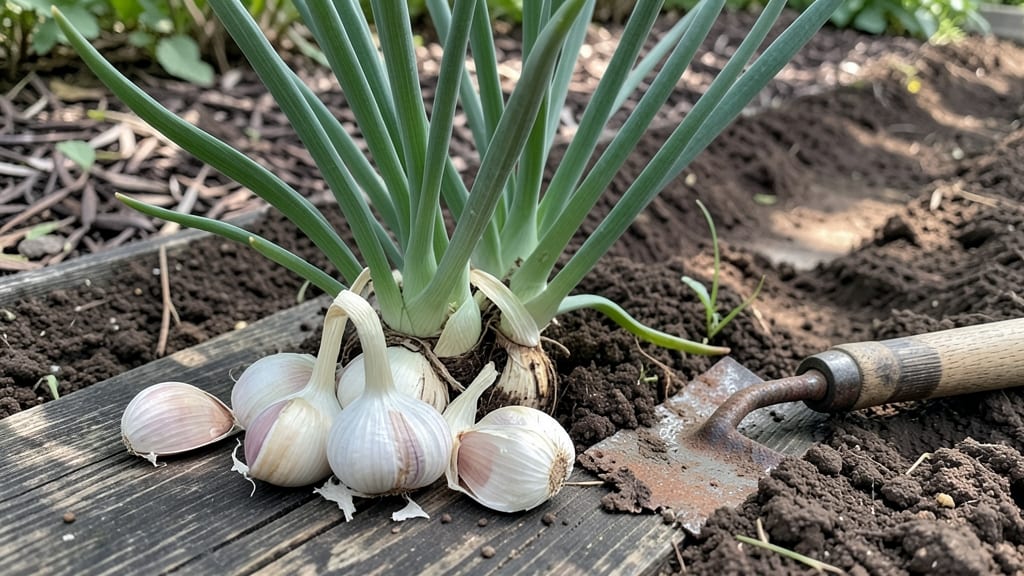
Timing your 🧄 garlic planting in Zone 6B isn’t just about the calendar—it’s about catching that narrow frost-free window that turns small cloves into bold, flavorful bulbs. Plant too early, and your garlic might bolt; too late, and winter’s chill stunts growth.
The key? Getting those cloves in the ground 6-8 weeks before the first frost, ideally between early October and mid-November.
Why does this matter? Because garlic in Zone 6B grows slowly through winter, relying on cold temperatures to develop properly. Miss the window, and you’ll end up with weak harvests—or worse, no harvest at all.
I’ve tested this timing myself, and the difference between a plump bulb and a skinny one comes down to those few weeks of prep.
In this guide, I’ll walk you through the exact dates to plant, how to prep your soil for Zone 6B’s short growing season, and the critical mistakes that ruin garlic before it even matures.
Whether you’re a beginner or a seasoned gardener, these tips will help you maximize your harvest next summer.
Ready to grow garlic that rivals the grocery store? Let’s dive into the frost-free window that makes all the difference—and how to avoid the common pitfalls that leave gardeners frustrated every year.
Optimal planting dates for garlic in zone 6B based on frost timing
In USDA Zone 6B, garlic thrives when planted 4-6 weeks before the ground freezes—typically between early October and mid-November. This 6-8 week window ensures bulbs establish roots before winter dormancy. Missing this timing risks weak growth or complete failure due to frost damage.
Zone 6B’s first hard frost usually arrives around November 15, so aim to plant by early to mid-October for ideal results. Late plantings in December may still work if soil temps stay above 40°F, but bulbs will be smaller.
Soil temperature is critical—garlic cloves need 40-50°F soil to sprout. Use a soil thermometer to confirm readiness. If temps drop below 32°F before roots establish, cloves may rot.
For hardneck varieties (like Music or German White), plant by October 15—they tolerate colder winters better. Softneck types (like Silverskin) can wait until November 1 but risk smaller bulbs.
Adjust timing if your area has unpredictable frosts. Check your local USDA frost map or use a frost calendar to refine dates. In elevated areas of Zone 6B, frost may come 2-3 weeks earlier.
| Planting Window | Soil Temp Requirement | Frost Risk | Bulb Size Impact |
|---|---|---|---|
| Early October | 45-50°F | Low (6+ weeks to frost) | Large (ideal) |
| Mid-October | 40-45°F | Moderate (4-5 weeks to frost) | Medium (good) |
| Early November | 35-40°F | High (2-3 weeks to frost) | Small (risky) |
| December (last resort) | 32-35°F | Very High | Very Small (not recommended) |
Spring planting is not recommended in Zone 6B—garlic needs 60+ days of cool weather to form bulbs. If you miss fall, wait until next year for optimal results.
Use mulch (straw or leaves) after planting to insulate soil and protect cloves. In snowy winters, a 4-inch mulch layer prevents frost heave and keeps roots stable.
For urban gardeners with limited space, use container planting—just ensure pots have drainage and are placed in full sun. Containers warm up faster, so plant 2 weeks earlier than ground planting.
Monitor your garlic bed in late winter (February). If green shoots appear, add 2 inches of mulch to shield tender growth from late frosts.
Optimal planting dates for garlic in zone 6B based on frost timing
Zone 6B’s short growing season means timing is everything for garlic. Plant too early, and your cloves may sprout and rot before winter. Too late, and they won’t establish roots before the ground freezes.
The ideal window is 6-8 weeks before your first hard frost, typically between mid-October and early November in most of Zone 6B.
For example, if your average first frost hits around November 15, aim to plant by October 1 to give roots time to anchor. Check your local USDA frost calendar—some areas in Zone 6B (like parts of Virginia or Missouri) may shift this window by a week or two.
Soil temperature is your best guide: garlic cloves need 40-50°F soil to sprout. Use a soil thermometer to confirm—planting when temps drop below 40°F risks poor germination. In colder microclimates, opt for early October planting.
| Planting Window | Soil Temp Requirement | Frost Buffer | Best For |
|---|---|---|---|
| Early October (Oct 1-15) | 45-50°F | 8+ weeks until frost | Colder microclimates |
| Mid-October (Oct 16-31) | 40-45°F | 6-8 weeks until frost | Standard Zone 6B |
| Early November (Nov 1-10) | 40°F or above | 4-6 weeks until frost | Warmer microclimates |
Adjust for late frosts by planting hardneck varieties (like Music or German Red) first—they handle cold better than softnecks. If your area has unpredictable frosts, use a row cover to extend the season by 2-3 weeks.
Spring planting is possible in Zone 6B, but bulbs will be smaller and less flavorful. If you miss the fall window, plant in early spring (March) for a secondary harvest, but expect 50% smaller bulbs compared to fall-planted garlic.
Pro tip: Mark your planting date on a calendar and track soil temps weekly. In Zone 6B, consistency beats perfection—even a week’s delay can reduce bulb size by 20-30%. 🧄