
Plants
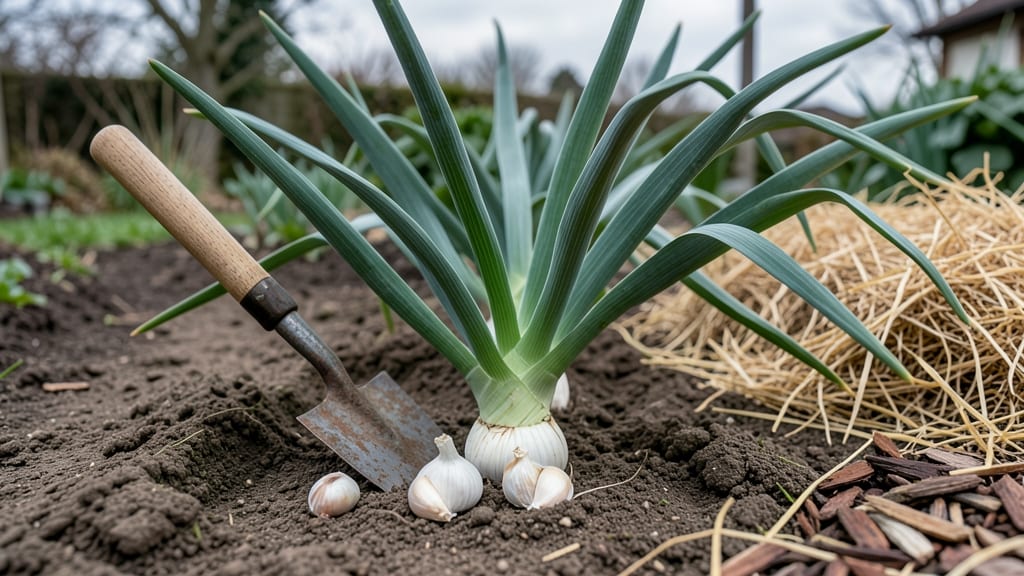
Timing your 🧄 garlic planting in Tucson isn’t just about following a calendar—it’s about outsmarting the desert’s quirks. Plant too early, and a late frost could wipe out your crop; too late, and you’ll miss the sweet spot for plump, flavorful bulbs.
The key? Nailing that October-November window when soil temps hover just right.
Here’s the secret Tucson gardeners swear by: hardneck varieties thrive in the cooler foothills, while softnecks handle the low-desert heat better. But no matter which you choose, mulching is your best friend—it insulates roots from temperature swings and keeps moisture locked in during those 9b zone winters.
I’ve grown garlic here for years, and the difference between a mediocre harvest and a bumper crop often comes down to one thing: soil prep. Well-draining, slightly alkaline soil (yes, Tucson’s dirt is naturally that way) paired with cloves planted 4-6 inches deep sets the stage for success.
Ready to grow garlic that rivals store-bought? Let’s break down the exact steps—from choosing the right variety to protecting your plants when Tucson’s unpredictable weather throws a curveball. Your summer harvest starts with these fall moves.
Tucson’s garlic planting window: months & temperature rules for zero-frost growth
Tucson’s USDA Zone 9b climate creates a unique challenge for garlic growers—too early and you risk frost damage, too late and your bulbs won’t mature fully. The sweet spot?
Planting between mid-October and mid-November when soil temps drop to 50–65°F. This timing ensures garlic initiates bulb formation before winter dormancy while avoiding late-season frosts that can blacken leaves.
Garlic needs 120–150 days to mature, so Tucson’s 240 frost-free days give you a narrow but critical window. Planting in October gives you the longest growing season, while November plantings still yield well if protected from cold snaps.
The key is soil temperature, not air temperature—use a soil thermometer to confirm readings before planting.
Here’s how Tucson’s microclimates affect timing: Low-desert areas (like Tucson International Airport) can handle December plantings with minimal frost risk, while foothills regions (like Catalina State Park) may need earlier October planting to avoid 20–30°F dips.
Always check your local last frost date—Tucson’s average first frost is December 15, but it can vary yearly.
For hardneck garlic (best for cooler foothills), aim for October 1–15. Softneck varieties (ideal for low-desert heat) can stretch to November 1–15. Both types need well-draining soil to prevent rot—critical in Tucson’s alkaline, clay-heavy soils. Amend with compost or sand before planting to improve drainage.
Pro tip: If you miss the ideal window, September plantings can work in low-desert zones with row covers to protect from unexpected cold. Just be prepared for smaller bulbs. Conversely, January plantings risk frost damage unless you’re in a microclimate pocket with radiant heat from buildings or slopes.
Tucson Garlic Planting Timeline
| Month | Soil Temp (°F) | Planting Window | Notes |
|---|---|---|---|
| September | 65–75°F | Low-desert only | Risk of bolting; use row covers |
| October | 50–65°F | Ideal for all zones | Best bulb size; avoid frost |
| November | 45–60°F | Low-desert & foothills | Smaller bulbs; mulch heavily |
| December | 40–55°F | Low-desert only | High frost risk; protect plants |
After planting, focus on mulching to insulate bulbs. A 4-inch layer of straw keeps soil temps stable and prevents frost heave. In foothill gardens, add black plastic mulch in early winter to absorb heat and protect cloves.
Monitor for late frosts—Tucson’s January 15 average last frost can fluctuate, so keep a frost cloth handy for hardneck varieties.
Harvest timing depends on planting month: October plantings are ready by late April–May, while November plantings may need until June. Look for lower leaves turning brown while upper leaves stay green—a classic sign of maturity.
In Tucson’s heat, bulbs can split or sprout if left too long, so harvest promptly when 1–2 inches wide.
One final Tucson-specific tip: If you’re in a high-desert microclimate (like Mount Lemmon), plant 2–3 weeks earlier than low-desert areas. The 1,000-foot elevation difference can mean 10°F colder nights, drastically altering your garlic’s growth cycle. Always adapt to your local frost
How to adjust planting for Tucson’s unique climate: frost risks & hardneck vs. softneck garlic
Tucson’s microclimates create challenges for garlic growers—low-desert areas stay warmer longer, while foothills can experience unexpected late frosts. The key is choosing the right garlic type and adjusting your planting schedule to match your elevation. Hardneck varieties thrive in cooler foothills, while softneck garlic handles the desert heat better.
For low-desert Tucson (e.g., south side of the city), aim to plant between mid-October and November when soil temps drop to 60–65°F. In higher elevations (e.g., Catalina Foothills), shift planting to September–early October to avoid January frosts.
Use a soil thermometer to confirm readiness—garlic roots need consistent cool temps to establish.
🌱
Hardneck Garlic for Cooler Microclimates
- ✅ Larger bulbs with flavorful cloves
- ✅ Hardier in cold (USDA Zone 5+)
- ✅ Scape production for cooking
- ❌ Needs cooler temps (struggles in low-desert heat)
- ❌ Longer growing season (harvests late spring)
Softneck Garlic for Desert Heat
- ✅ Heat-tolerant (USDA Zone 7+)
- ✅ Stores longer (ideal for pantries)
- ✅ Faster maturity (earlier harvests)
- ❌ Smaller bulbs with fewer cloves
- ❌ Less flavorful than hardneck
To protect your garlic from late frosts, use row covers or straw mulch (3–4 inches thick) after planting. In low-desert areas, consider shade cloth during summer to prevent bolting. For foothill gardeners, plant near south-facing walls to capture extra warmth and extend the growing season.
If you’re unsure about your microclimate, test your frost risk by planting a few cloves in September and October—this gives you a backup harvest if early planting fails. Always choose organic, untreated cloves from local nurseries like Tucson Native Seeds or Bare Root Garlic suppliers for best results.
Finally, remember that Tucson’s alkaline soil can stress garlic. Amend beds with compost and sulfur (follow package rates) to lower pH to 6.0–7.0 before planting. This simple step boosts bulb size and flavor, making your effort worth the extra time.
🌿