
Plants
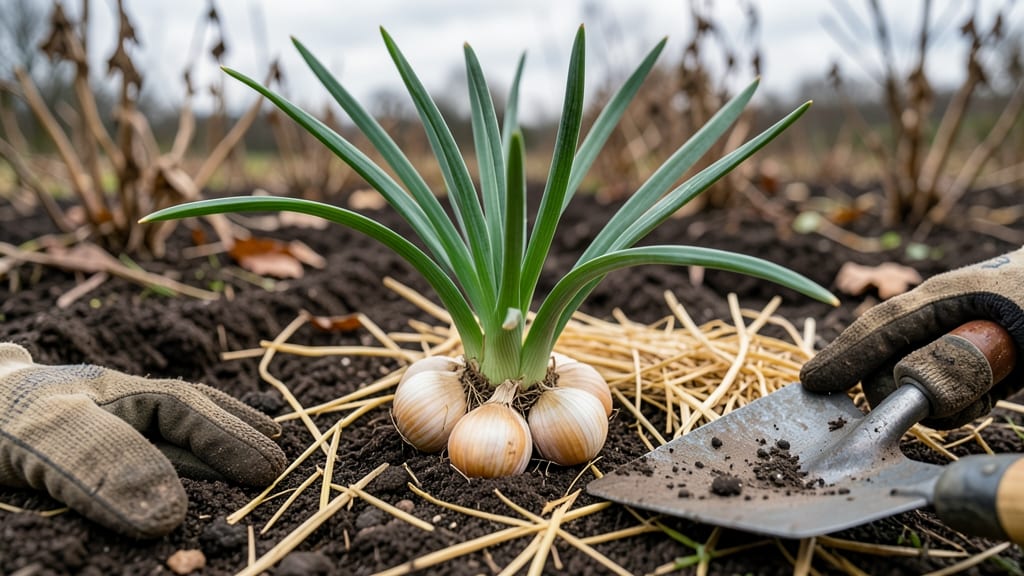
North Carolina garlic planting zones: matching chill hours to varieties
North Carolina’s diverse climate—from the coastal plains to the Appalachian Mountains—means garlic growers must match varieties to chill hours (the number of hours below 40°F per year). Most NC regions fall between 3,000 and 10,000 chill hours, but this varies dramatically.
For example, Asheville (Zone 7a) gets 4,000–6,000 hours, while Wilmington (Zone 8a) sees only 2,000–3,000 hours. Choosing the wrong variety can lead to bolting (premature flowering) or poor bulb development.
Hardneck garlic thrives in areas with 4,000+ chill hours and produces scapes (useful for cooking), while softneck varieties tolerate 2,000–4,000 hours and store longer. The key? Plant hardneck garlic in the mountains (e.g., Boone, Waynesville) and softneck garlic in the coastal plains (e.g., Raleigh, Fayetteville).
Let’s break down the best matches for your NC zone.
| NC Region | Chill Hours | Best Garlic Variety | Why It Works |
|---|---|---|---|
| Mountains (Asheville, Boone) | 4,000–10,000+ | Hardneck (e.g., 'Music', 'German White') | High chill hours prevent bolting; scapes add flavor. |
| Piedmont (Charlotte, Greensboro) | 3,000–5,000 | Hardneck (e.g., 'Silverskin', 'Creole') | Balanced chill hours for robust bulbs and scapes. |
| Coastal Plains (Raleigh, Wilmington) | 2,000–3,500 | Softneck (e.g., 'Artichoke', 'California Early') | Lower chill tolerance; stores well for 6+ months. |
If you’re in a transition zone (e.g., 3,500–4,000 chill hours like Durham), try intermediate varieties like 'Chesnok Red' or 'Inchelium Red'. These hybrids tolerate wider chill ranges and still produce scapes.
For organic growers, prioritize open-pollinated varieties like 'German Red Stripe'—they’re hardier and adapt better to NC’s unpredictable winters.
Pro tip: Use a soil thermometer to monitor temperatures. Garlic cloves need 40–50°F soil to sprout consistently. In warmer zones (e.g., Zone 8b), plant earlier in September to ensure roots establish before winter heat sets in.
Conversely, in cooler mountain areas, wait until mid-October to avoid frost damage to young shoots.
For high-altitude gardens (e.g., 6,000+ feet in the Smokies), extend chill hours by planting in shaded beds or using black plastic mulch to trap cold. This mimics the longer winters of traditional garlic-growing regions like New York or Wisconsin.
Always adjust your planting window based on local frost dates—aim for 4–6 weeks before the first hard frost (typically mid-October in most of NC).
One common mistake? Assuming all garlic is the same. Artichoke garlic (a softneck) stores for months but lacks scapes, while rocket garlic (a hardneck) bolts faster but has milder cloves. Match your variety to your culinary goals and storage needs—not just chill hours.
For example, if you want long-term storage, softnecks are your best bet; if you love scapes for pesto, hardnecks win.
Finally, consider local seed sources. NC-based nurseries like Southern Exposure Seed Exchange or Mountain Gardens Nursery offer varieties bred for regional resilience. They’ve already tested which cloves thrive in your specific microclimate, saving you trial-and-error years. Start with 2–3 varieties to compare performance—your future harvests will thank you!
🌱
Best planting windows for North Carolina: month-by-month guide
Timing your garlic planting in North Carolina is all about catching that sweet spot between fall chill and spring warmth. Most gardeners here aim to plant 4–6 weeks before the first hard frost, which typically lands in late September to early October.
This window ensures garlic gets enough cold exposure to form plump bulbs without bolting prematurely.
For USDA Zones 7a–8a, the ideal planting window stretches from mid-September to mid-November. If you miss this window, don’t panic—spring planting (February–March) is a backup, though yields may be smaller. The key is giving garlic 12–16 weeks of cool weather before summer heat sets in.
North Carolina’s microclimates can shift planting windows by weeks. For example, mountain regions (Zone 6b) may plant as late as early November, while coastal areas (Zone 8a) should plant by mid-October to avoid winter warmth.
Always check your local frost dates—the NC State Climate Office is a great resource.
Soil temperature is just as critical as air temperature. Use a soil thermometer to confirm temps are below 60°F before planting. Cold soil helps prevent rot and bolting. If your soil is still warm, wait 1–2 weeks or use shade cloth to cool it down.
Pro tip: Plant hardneck varieties (like Music or Silverskin) in fall for larger bulbs and softneck varieties (like Artichoke) in spring if you’re short on time. Hardnecks need chill hours to form scapes, while softnecks store better but grow slower.
Missed the fall window? Don’t despair—spring planting still works, but expect smaller bulbs. Focus on soil moisture and shade to delay bolting. Just remember: garlic hates heat, so prioritize cool-season planting for the best results.